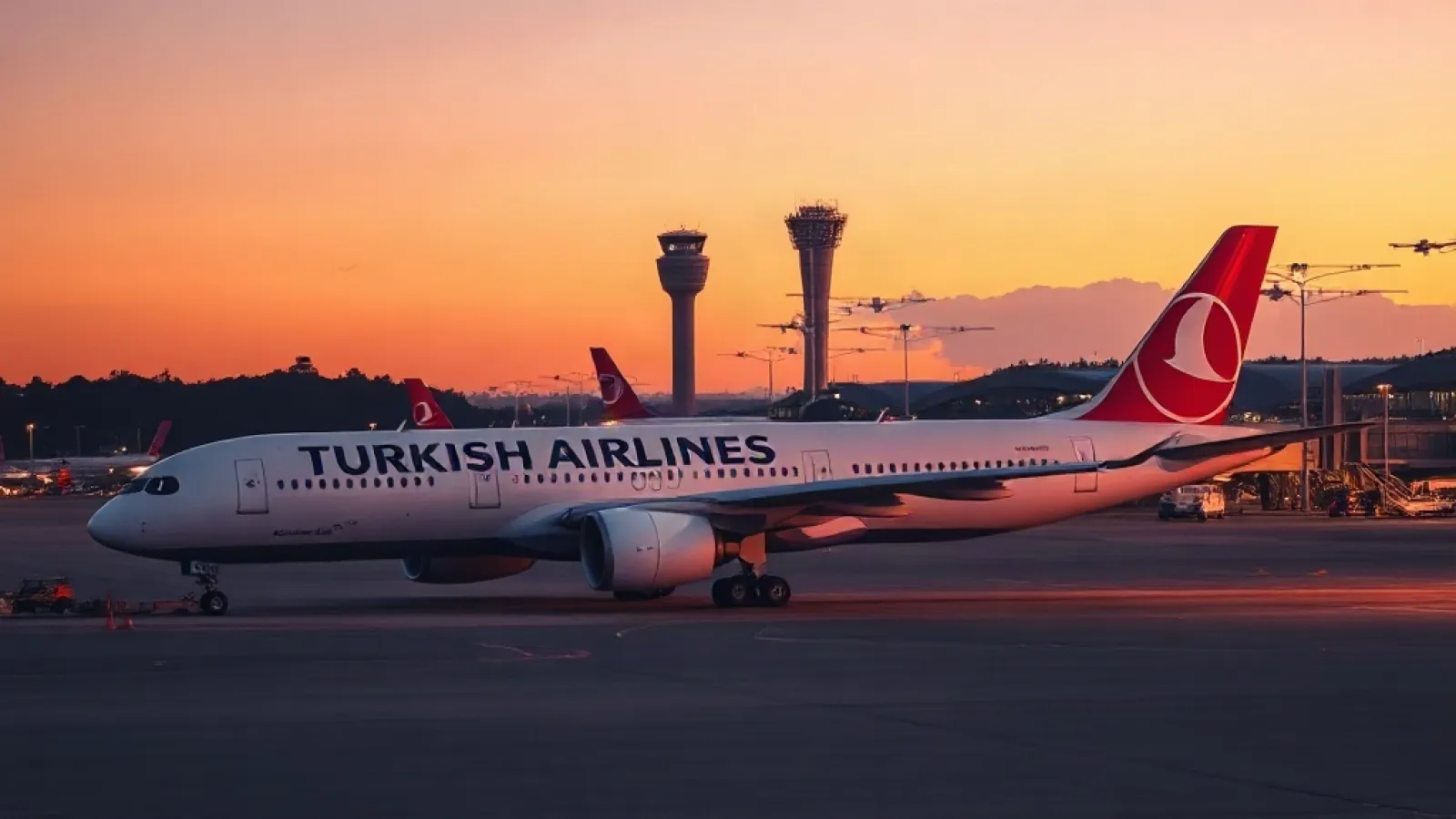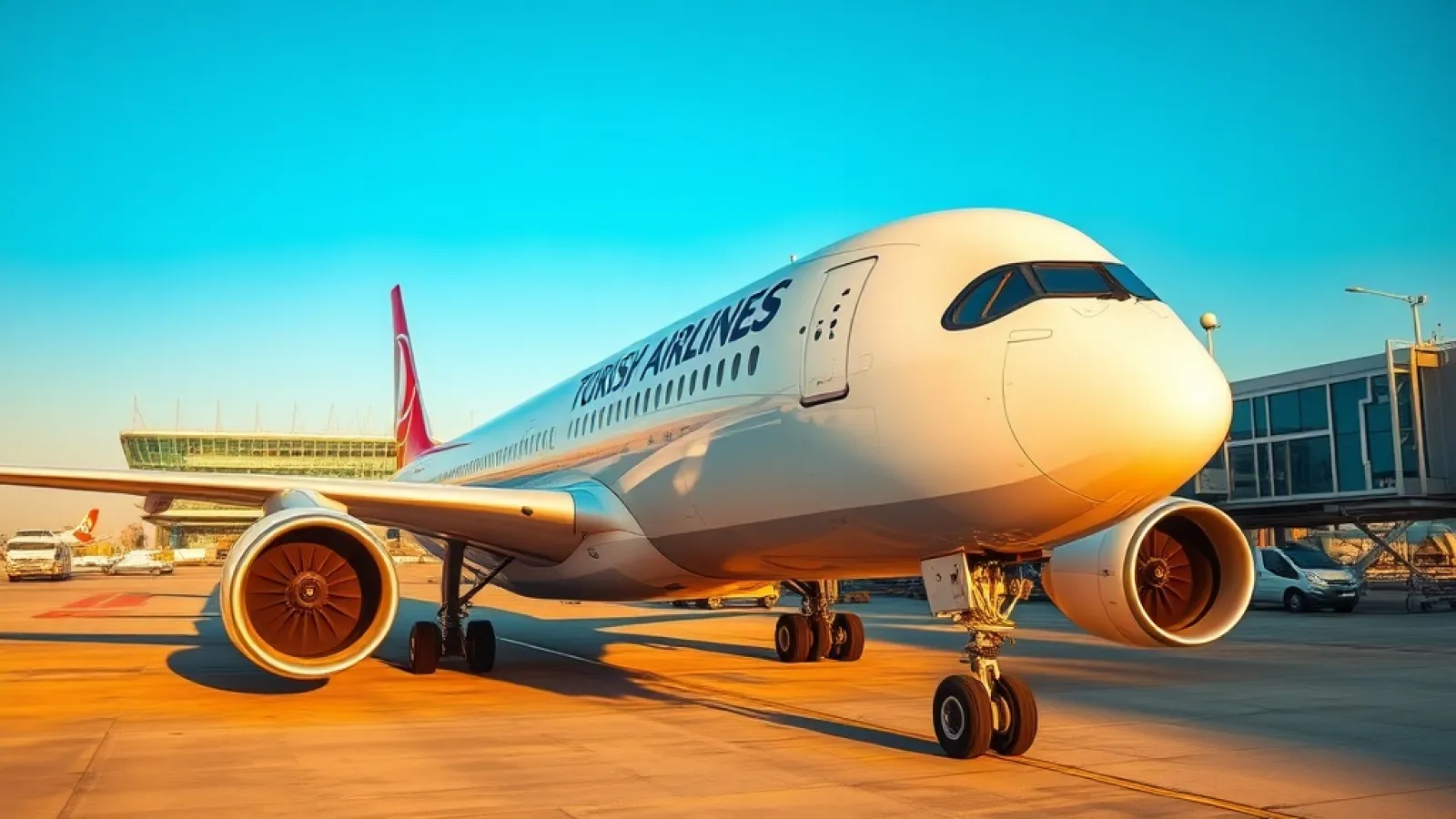
Turkish Airlines announced on April 9, 2026, a major leadership change, appointing Professor Murat Şeker as Chairman of the Board and Executive Committee, and Ahmet Olmuştur as Chief Executive Officer. The move comes as the airline pursues ambitious global expansion while managing rising costs and geopolitical risks.
Former Chairman Ahmet Bolat, along with board members Bilal Ekşi and Mecit Eş, stepped down. The board appointed Şeker to lead, with Ahmet Olmuştur, Metin Gülşen, and Hasan Murat Mercan filling vacant board positions, pending confirmation at the next general assembly. Bilal Ekşi retired as CEO, with Olmuştur—formerly Chief Commercial Officer—taking over. Metin Gülşen became CFO, and Harun Baştürk assumed the Chief Commercial Officer role.
Strategic context
The leadership shift occurs as Turkish Airlines enters a new growth phase. The carrier ended 2025 with over 500 aircraft serving 303 international destinations in 131 countries. For 2026, it targets 356 destinations in 132 countries, adding routes to Yerevan, Chengdu, Timişoara, Ürümqi, Monrovia, and Bissau. The airline expects total revenue growth of 6-9%, passenger capacity growth of 7-9%, and a fleet of 560-570 aircraft by year-end, aiming to exceed 100 million passengers.
New leadership profiles
Murat Şeker has been with Turkish Airlines since July 2016, leading finance, treasury, accounting, procurement, and investor relations. A board member since March 2021, he also holds roles at Turkish Technic and SunExpress. His background signals a focus on balance sheet strength, liquidity, and investment discipline.
Ahmet Olmuştur started his career at the airline's call center in 2000, progressing through flight analytics, revenue management, and pricing. He led global distribution systems and revenue management, and served as Chief Marketing and Sales Officer before becoming CCO. His deep commercial knowledge is expected to drive network growth, pricing strategies, and customer experience.
Financial performance
In 2025, Turkish Airlines reported total revenues of $24.1 billion, up from $22.7 billion, with passenger revenues rising to $19.8 billion. Capacity (ASKs) increased from 254 billion to 273 billion. EBITDAR margin stood at 23.3% versus the industry average of 16.1%, and return on invested capital reached 11.6% compared to 6.8%. Revenue growth was supported by strong Asia and Africa performance, though cargo weakened and cost pressures from wages and airport fees persisted.
Why it matters
The simultaneous change of chairman and CEO at a globally exposed carrier like Turkish Airlines signals a strategic recalibration. Şeker’s financial expertise and Olmuştur’s commercial acumen create a leadership tandem designed to sustain growth while tightening cost and investment controls. With ambitious targets for 2026—including double-digit passenger growth and network expansion into new markets—the airline must balance capacity increases with yield management and operational efficiency. The internal promotions ensure continuity, but the new team faces immediate pressure to deliver on investor expectations, with first-quarter 2026 results due on April 29. For travel trade partners, the leadership change suggests a continued focus on network breadth and hub connectivity, but with heightened attention to profitability and financial stability.