Countries across the Gulf are dealing with a fresh wave of missile and drone threats following a “dangerous escalation” between the US and Iran, according to a 13 July report. Despite a Memorandum of Understanding signed on 17 June aimed at ending the conflict, Iranian attacks on ships in the Strait of Hormuz led to US strikes in Iran, prompting retaliatory Iranian drone and missile fire targeting Bahrain, Kuwait, Oman and Jordan on Monday. The UAE issued its first safety alert in over two months on Sunday, though confirmed missiles were detected outside its territory. In Qatar, three people including a child were injured after an Iranian strike was intercepted on Sunday morning, while Jordan confirmed three missiles landed without injuries. Oman reported several sites in Musandam targeted by Iranian drones on Sunday, with further strikes hitting radar installations on Monday.
US President Donald Trump told reporters as he arrived in Turkey for the Nato summit that the ceasefire was “over”, though negotiators could continue talking, with Qatar and Pakistan ramping up diplomatic efforts. This marks the worst flare-up since the 17 June agreement.
Airline Operations
Emirates is now flying to 137 destinations across 72 countries, representing 96% of its pre-war network, with over 1,300 flights weekly (75% of pre-war capacity). The carrier advises passengers to check flight status even after check-in and offers one complimentary date change for bookings after 2 April. It now provides comprehensive travel insurance including conflict-related medical expense protection, free 30-day trip extension, and airline-managed hotel stays.
Etihad Airways operates to 80 destinations, set to increase through summer. Passengers with tickets issued on or after 6 March for travel through 31 March 2027 may change once without a rebooking fee. International arrivals receive complimentary medical travel insurance for up to 15 days.
Qatar Airways has resumed flights to the UAE, including multiple daily Dubai services, plus Sharjah and Abu Dhabi. Its network now covers over 160 destinations; those with confirmed travel dates can get a complimentary date change up to 31 October 2026.
Flydubai operates with a reduced schedule but is expanding seasonal destinations, warning of longer flight durations due to rerouting. Gulf Air’s network is restored to 75% of pre-war capacity, flying to 40 destinations in 24 countries; bookings through 30 June are eligible for one free rebooking until 31 March 2027.
Air Arabia operates scheduled flights from Sharjah, Abu Dhabi and Ras Al Khaimah to destinations including Vienna, Athens, Cairo, Kathmandu, Muscat, Islamabad, Jeddah and Bangkok. Passengers with previously cancelled flights may rebook if they haven’t used their modification or refund option.
Air India and Air India Express have restored full GCC networks, completing their former West Asia network with about 780 weekly flights between India and the region. IndiGo operates select flights to/from the Middle East, with schedules adjusted per regulatory guidance.
Iraqi Airways runs domestic and international routes including Cairo, Istanbul and Amman. Aegean Airlines resumed flights to Beirut on 12 May, Riyadh and Amman on 21 May, but Dubai remains cancelled until 31 August and Baghdad until 2 July.
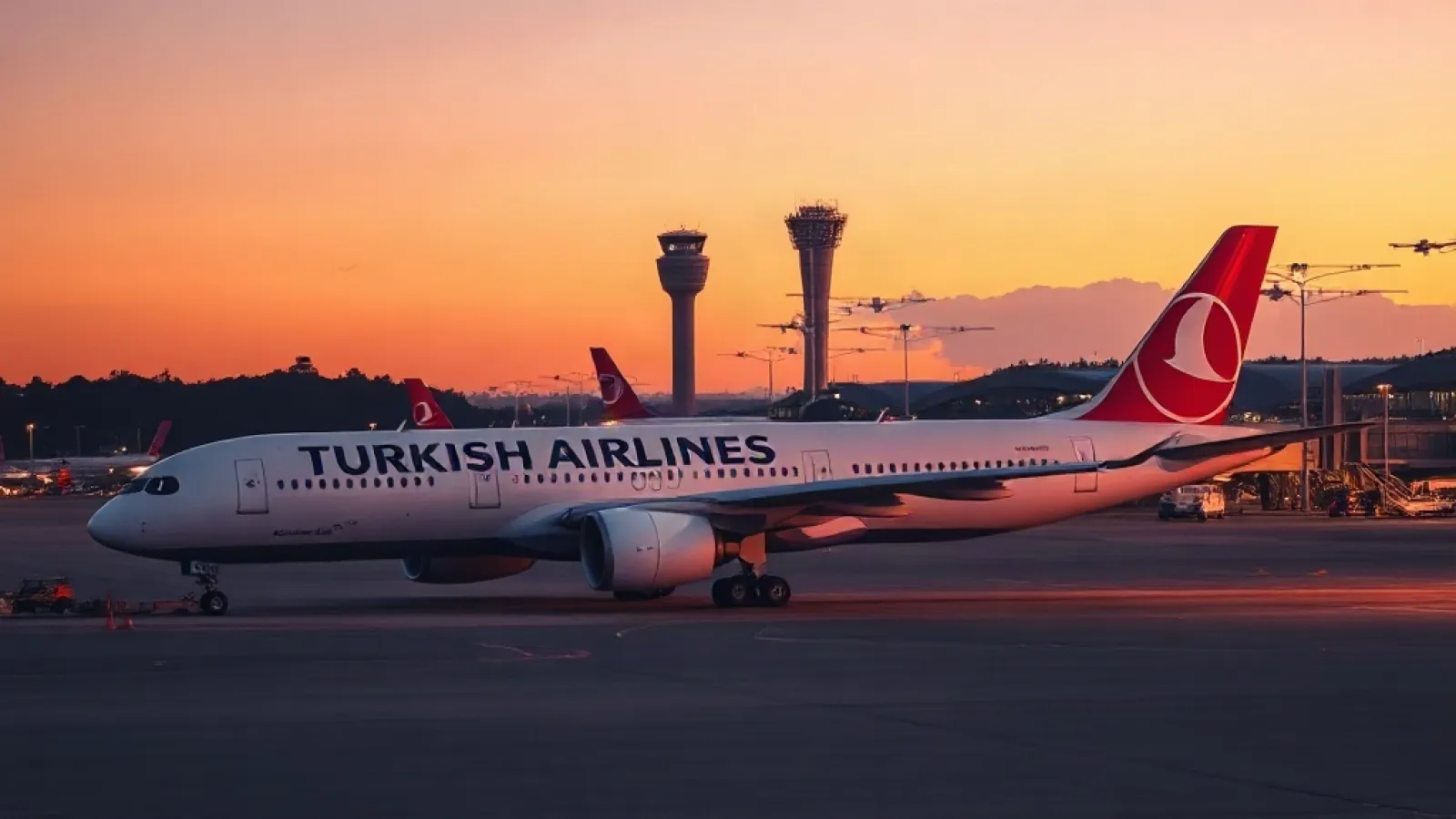
Kuwait Airways resumed limited service from Terminal 4, advising passengers to arrive three hours before departure. Jazeera Airways flies to select destinations including Delhi, Beirut, Mumbai, Damascus, Kochi, Istanbul, Amman, Dubai and Cairo. Flynas operates daily flights to Dubai, Doha and Bahrain, plus international destinations. Oman Air resumed flights to Amman, Dubai, Bahrain and Doha. Turkish Airlines restarted Istanbul-Dubai on 9 June, with Abu Dhabi set for 1 July, increasing Dubai frequency from 7 to 14 weekly flights.
Suspended Routes
Air Canada suspended Dubai and Tel Aviv flights through 7 September. AirBaltic cancelled Dubai until 24 October. Air France suspended Riyadh, Dubai and Beirut until 6 July. British Airways suspended many Middle East destinations, permanently dropping London-Jeddah; London-Riyadh will be pared to one daily flight when resumed in August, and Dubai, Bahrain and Tel Aviv will resume 25 October with reduced schedules (one daily each way to Dubai, halved to Tel Aviv). Cathay Pacific cancelled Dubai and Riyadh until 31 August. KLM cancelled Dubai, Riyadh and Dammam until 23 August, avoiding airspace of Iran, Iraq, Israel and several Gulf countries. Japan Airlines cancelled Tokyo-Doha until 31 July and Doha-Tokyo until 1 August. Lufthansa suspended Abu Dhabi, Amman, Beirut, Dammam, Riyadh, Erbil, Muscat and Tehran until 24 October, and Dubai until at least 13 September. Norwegian’s seasonal Dubai route ended 8 April with no new flights until further notice. Pegasus continues suspending flights to Abu Dhabi, Amman, Bahrain, Beirut, Dammam, Doha, Dubai, Iran, Iraq, Kuwait, Riyadh and Sharjah.
Why it matters
The renewed hostilities directly impact travel trade operations across the Gulf, a key global transit hub. With major carriers operating at reduced capacity and several international airlines suspending routes, tour operators and DMCs face constrained inventory and unpredictable schedule changes. The summer rush, with Dubai Airports expecting over 200,000 passengers daily between 2 and 12 July, compounds pressure on ground handling and customer service. The conflict’s persistence, despite the June ceasefire agreement, suggests prolonged disruption to air connectivity, affecting not only leisure travel but also business and cargo flows. Travel-trade professionals should monitor diplomatic developments and airline waiver policies closely, as the situation remains fluid with potential for sudden airspace closures.