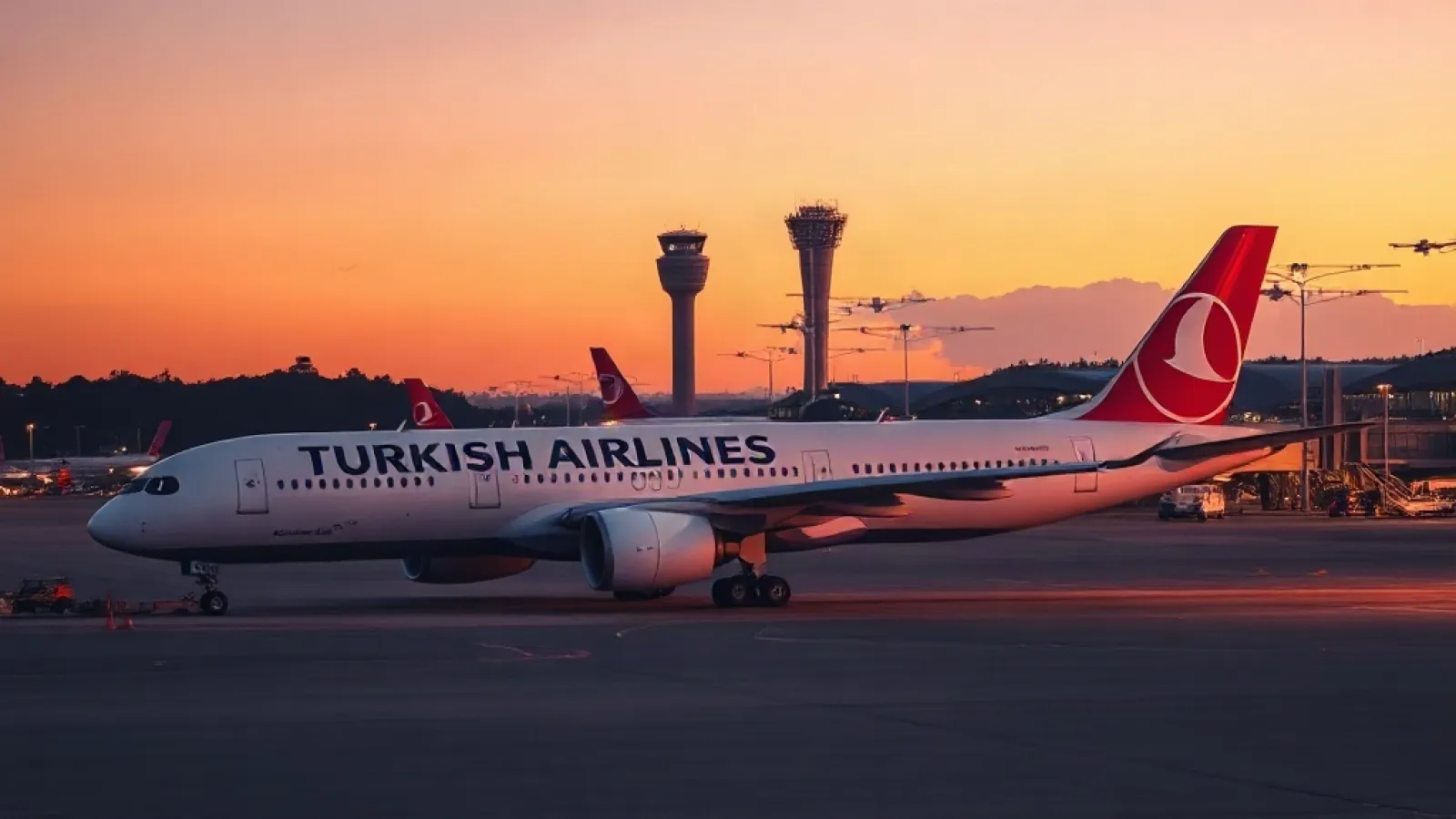
Turkish Airlines is preparing a major fleet expansion, with plans to receive 40 aircraft in 2027, create a dedicated Airbus A350-1000ULR sub-fleet for future Australia services, and introduce a premium economy cabin by summer 2028, according to a report from Travel And Tour World.
The 40 aircraft deliveries in 2027 will provide greater operational flexibility and capacity across the airline’s international network, which already spans Europe, Asia, Africa, the Middle East, North America, and South America. The new aircraft are expected to support existing routes and create opportunities for further expansion.
The A350-1000ULR sub-fleet is designed for ultra-long-haul operations, enabling Turkish Airlines to explore routes to Australia, one of the most distant aviation markets from Istanbul. The aircraft’s range performance would allow direct connections, offering passengers a more convenient option for travel between Türkiye and Australia.
Turkish Airlines also plans to launch a premium economy cabin by summer 2028. The new cabin class will sit between standard economy and business class, providing additional seating space, improved comfort, upgraded meal services, and enhanced travel benefits. Premium economy has grown in popularity globally as passengers seek more comfort without the full cost of business class.
Istanbul Airport’s role as a global hub is expected to strengthen with the expansion, leveraging its geographic position between Europe and Asia to connect passengers across continents. The Australia-focused long-haul services would further extend Istanbul’s reach as a bridge between regions.
The fleet expansion and new cabin product reflect Turkish Airlines’ strategy to compete in the ultra-long-haul market and meet evolving passenger expectations for comfort and connectivity.
Why it matters
For the travel trade, Turkish Airlines’ fleet growth and Australia plans signal increased capacity and competition on long-haul routes, particularly between Europe and Asia-Pacific. The premium economy introduction offers a new product tier for tour operators and corporate travel buyers, potentially shifting demand from business class on ultra-long sectors. Istanbul’s hub strength may also provide alternative routing options for travellers, affecting network planning for airlines and DMCs in the region.