Albania is advancing a portfolio of 83 strategic projects directly linked to tourism development, infrastructure, and foreign investment attraction, according to information from the Office of Economic and Commercial Affairs in Tirana reported by TornosNews.gr.
The projects, presented at the MIPIM exhibition in Cannes, cover a wide range including tourist resorts, infrastructure works, marinas, multifunctional business spaces, and modern residences. A large proportion are located in areas such as Tirana, Vlora, and Saranda, where investor activity has already driven rapid increases in real estate prices and stronger demand for high-quality properties.
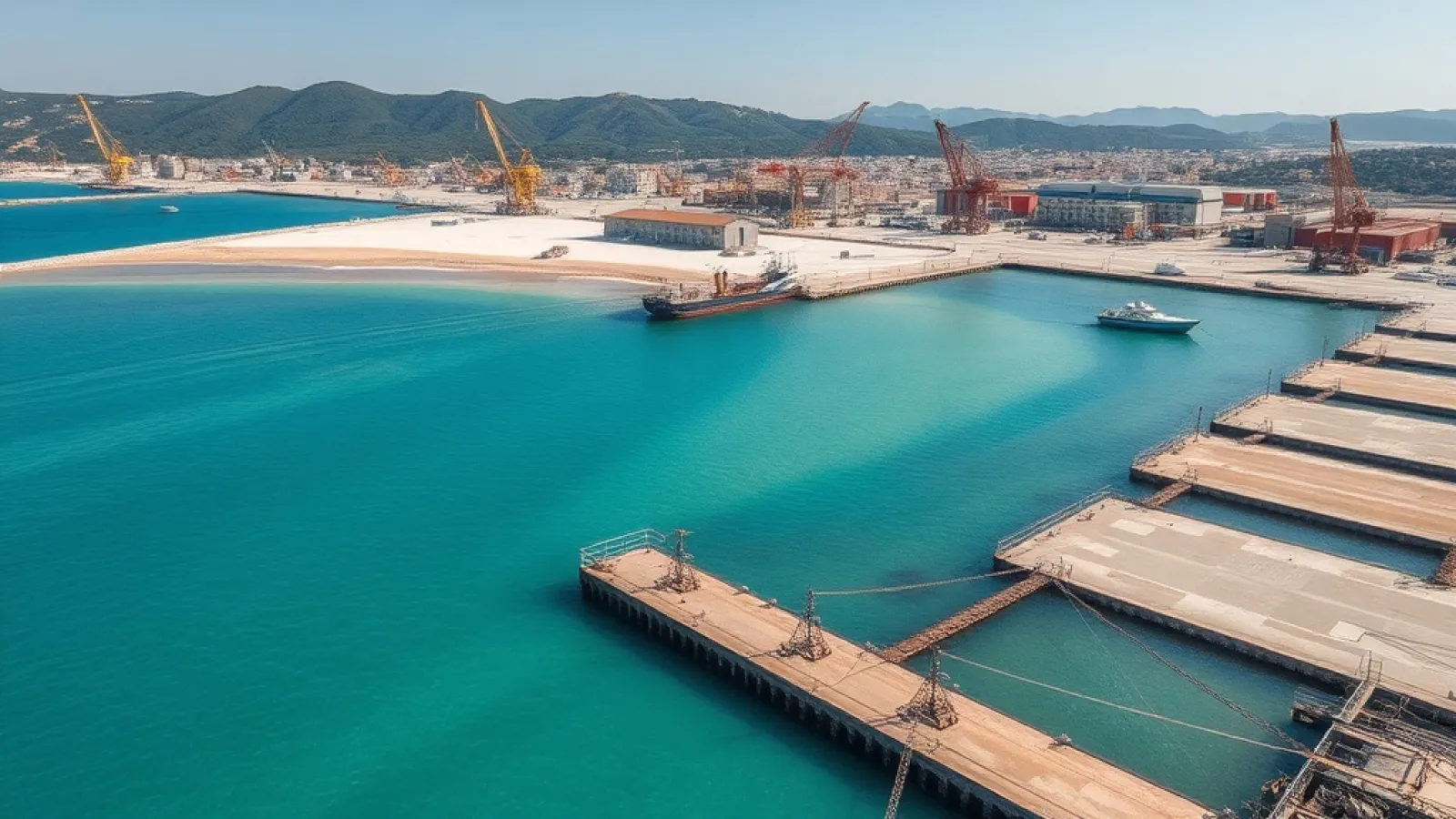
However, progress on one flagship intervention — the new commercial port in Porto Romano — continues to face delays. The tender process for its construction, valued at €393 million, was cancelled following the withdrawal last month of the only remaining bidder: a consortium of Archirodon Construction Company Limited, Deme Dredging nv, and Società Italiana Dragaggi s.p.a.
According to Albanian government sources, the withdrawal was related to financial reasons and the increase in construction costs in the international market. The government is expected to draw up an alternative plan for the project’s implementation, despite various factors attempting to halt or cancel it.
The tender had been announced several times since 2021. In the most recent round in December 2024, five consortia initially submitted bids, but only one advanced to the final stage to submit a technical and financial offer.
Notably, the marina construction project for yachts is progressing according to the original plan, as it is not directly related to the commercial port.
Why it matters
The simultaneous promotion of 83 tourism-related projects and the collapse of the Porto Romano port tender highlight a mixed picture for Albania’s tourism infrastructure ambitions. While the portfolio signals strong government intent to develop resorts, marinas, and business spaces in key investor hotspots like Tirana, Vlora, and Saranda, the port setback — a critical piece of logistics infrastructure — could constrain the country’s ability to handle increased cargo and cruise traffic needed to support tourism growth. The withdrawal of the sole bidder due to rising construction costs also underscores broader inflationary pressures affecting large-scale infrastructure in the region. For travel-trade stakeholders, the viability of Albania’s tourism expansion will depend on whether the government can deliver alternative port solutions and maintain momentum on the 83 projects without similar cost-related disruptions.