The Greek National Tourism Organization (GNTO) and Mastercard have expanded their partnership to leverage data-driven insights for tourism development. The renewed agreement builds on an existing collaboration, focusing on using anonymized transaction data to better understand visitor behavior and spending patterns.
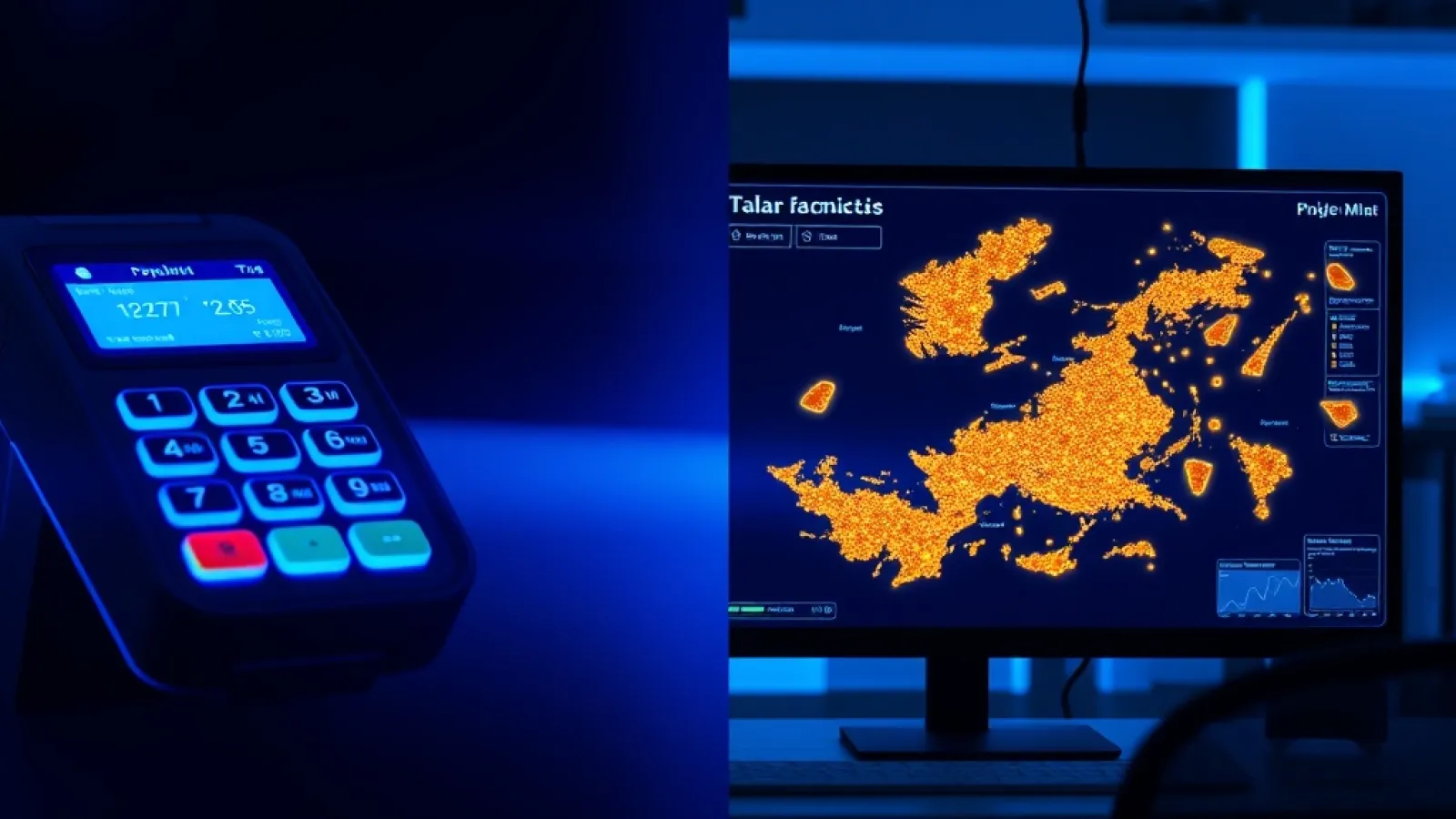
Under the expanded partnership, the GNTO will gain access to Mastercard's Tourism Insights platform, which provides real-time analytics on travel flows, spending trends, and source markets. The data is intended to help the GNTO tailor marketing campaigns, optimize resource allocation, and measure the impact of promotional activities.
Mastercard's platform aggregates aggregated and anonymized transaction data from its network, offering a granular view of tourist expenditure across categories such as accommodation, dining, retail, and attractions. The GNTO will use this intelligence to identify emerging trends and adjust strategies accordingly.
The partnership also includes joint initiatives to promote lesser-known destinations within Greece, aiming to distribute tourism benefits more evenly across the country. By identifying under-visited regions with high potential, the GNTO can direct marketing efforts to attract visitors to areas beyond traditional hotspots.
Both organizations emphasized the importance of data privacy and compliance with European regulations. The data shared is aggregated and anonymized, ensuring no individual transactions or personal information are revealed.
Why it matters
For the travel trade, this partnership signals a growing reliance on data analytics in destination marketing. Tour operators and DMCs can expect more targeted promotional campaigns from the GNTO, potentially leading to shifts in demand toward secondary destinations. The insights may also influence product development, as spending data reveals which experiences yield higher visitor satisfaction and revenue. Mastercard's involvement underscores the role of payment networks in shaping tourism strategy, offering a model that other destinations may follow.
The expanded data access could help the GNTO respond more quickly to market changes, such as shifts in source markets or spending patterns. For industry stakeholders, this means a more agile marketing environment, where campaigns are increasingly backed by real-time evidence rather than historical trends.