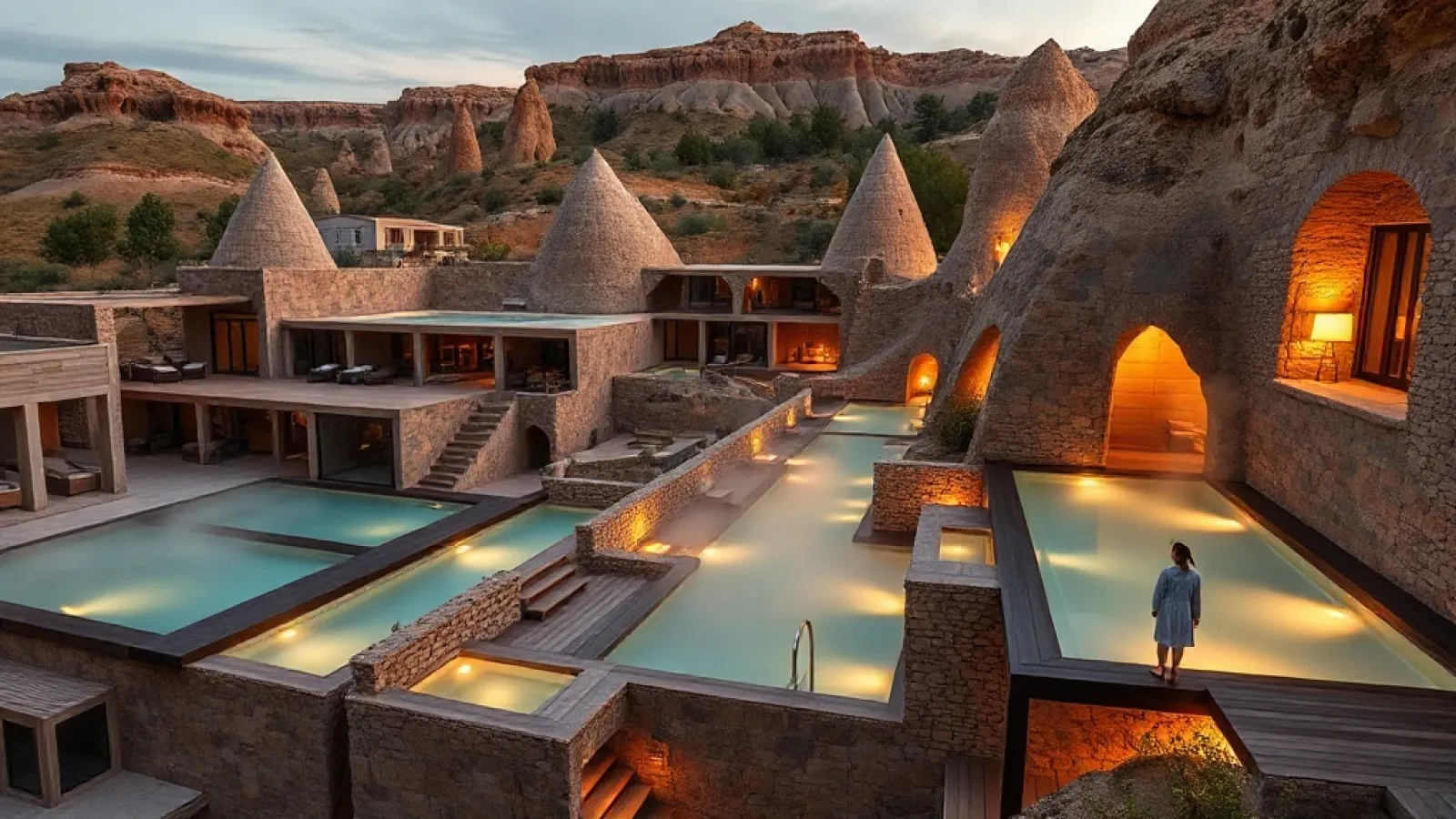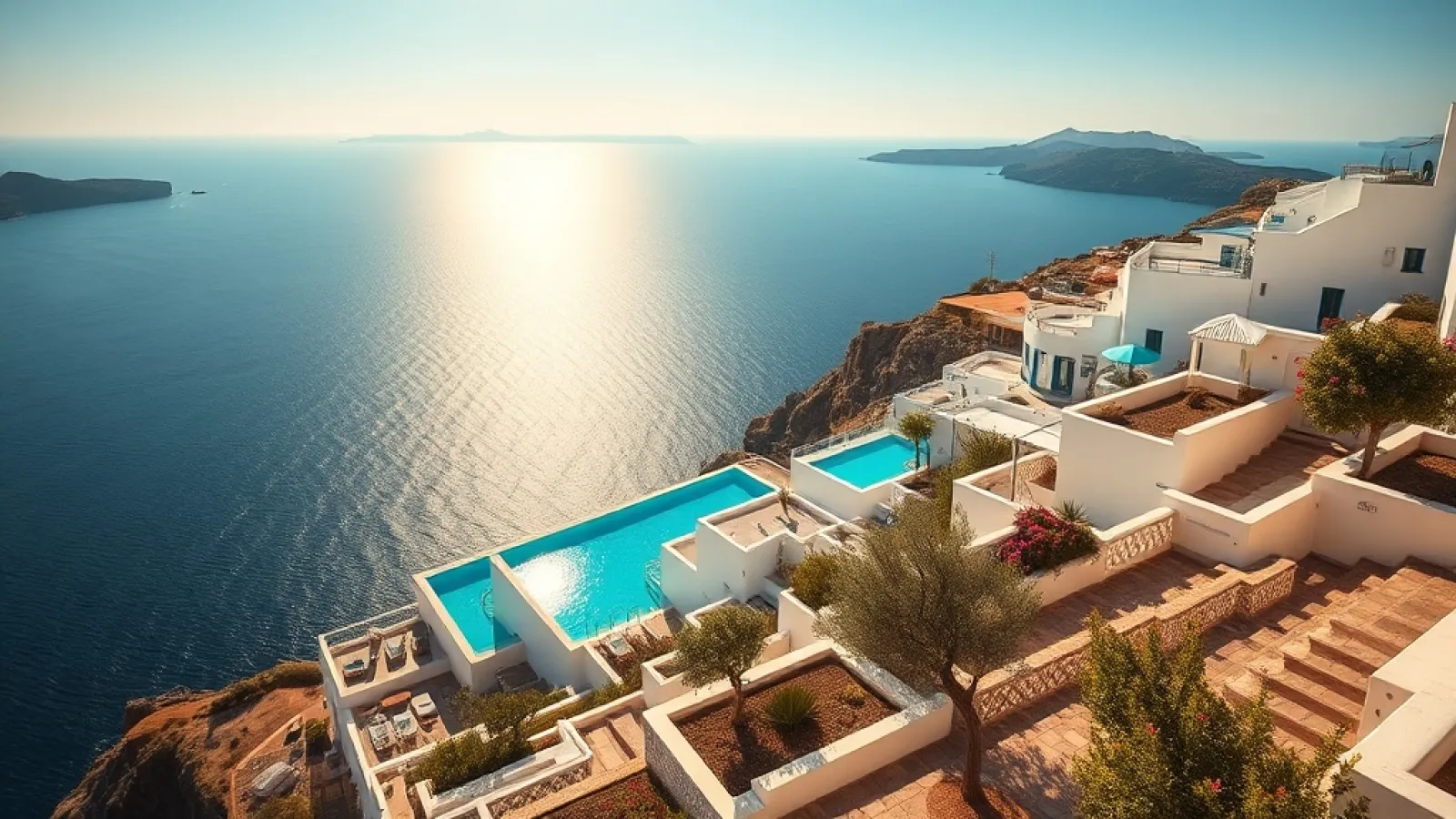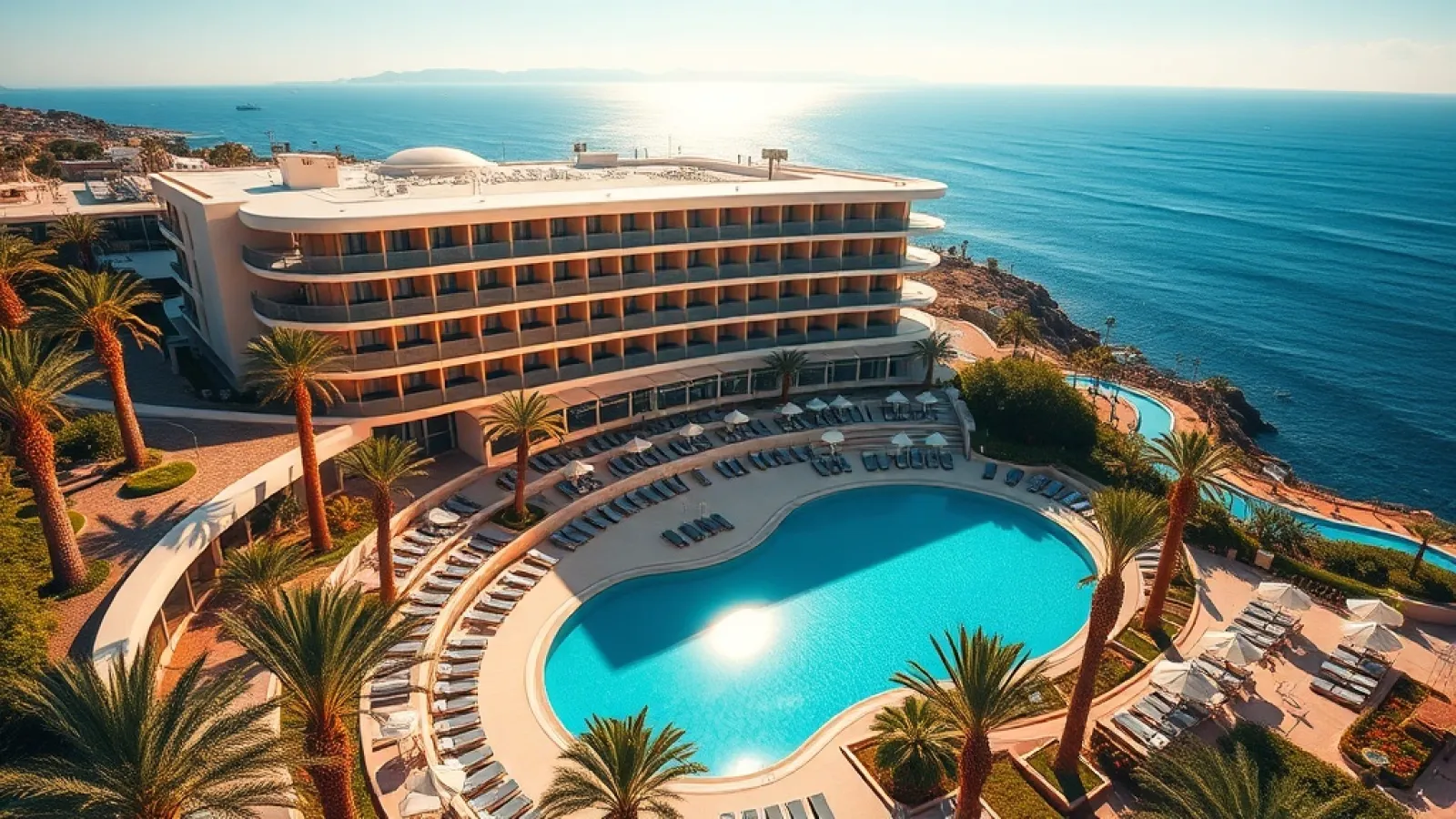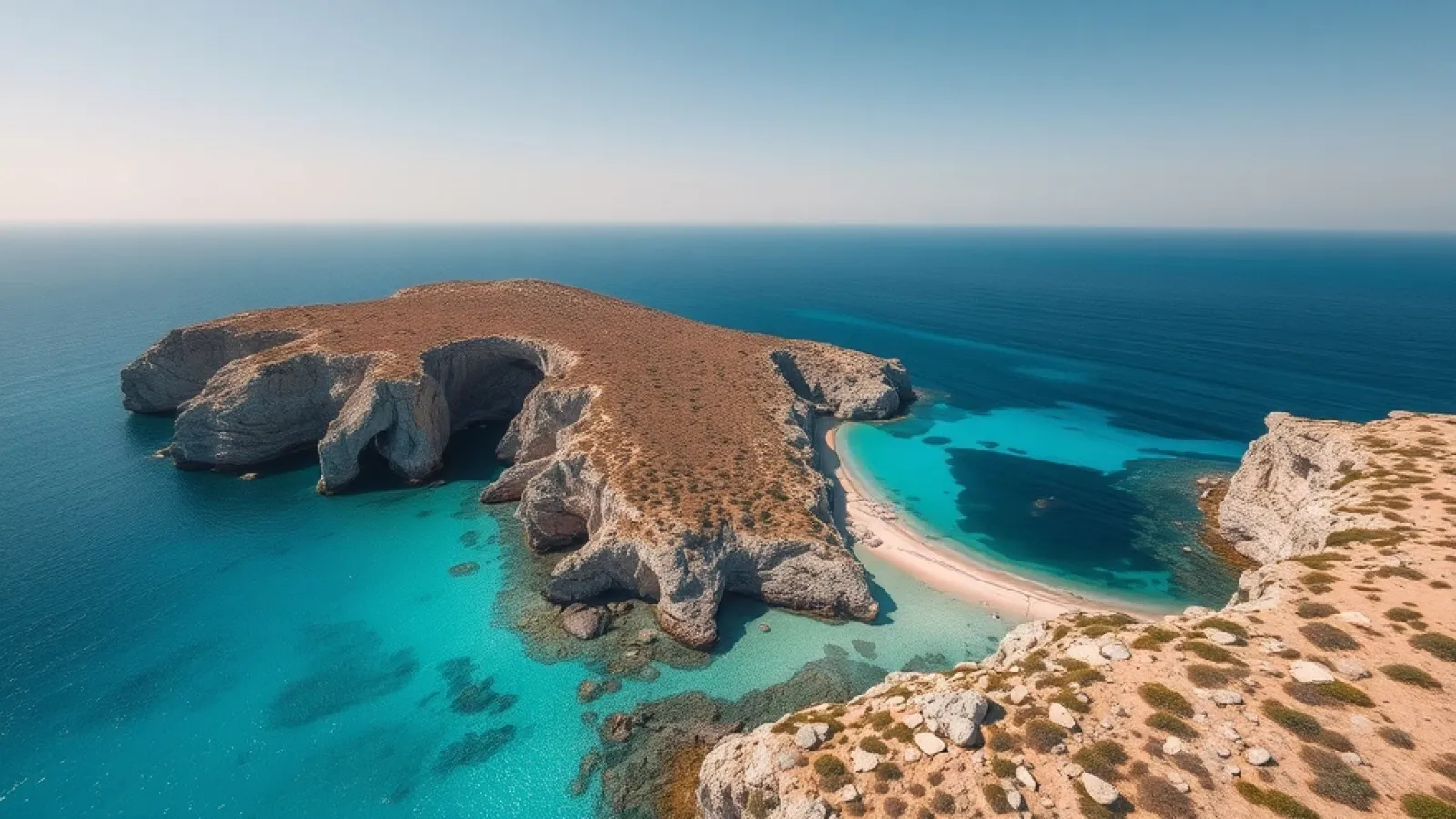
The Regional Council of Central Greece has expressed strong support for Grivalia Hospitality’s planned luxury eco-resort on Megalonisos, the largest island in the Petalioi cluster off south-east Evia. The council gave majority approval to the strategic environmental study and development plan for the project, which is being developed by GH Hotel S.A., a subsidiary of Grivalia Hospitality, under the Six Senses brand — the brand’s debut in Greece, named Six Senses Megalonisos.
The investment covers a 561-acre site on the southern tip of Megalonisos, within the jurisdiction of the Municipality of Karystos, Evia. The resort is designed to harmonise with the island’s natural landscape and aims to offer world-class services while promoting sustainability and environmental stewardship. Plans include an eco-conscious hospitality complex alongside luxury residences, positioning the development as a model of low-impact tourism.
The project is expected to boost the local economy through job creation and enhancement of the region’s tourism offering. It will also feature a model farm focusing on local agriculture, gastronomy, and wellness experiences, integrating primary production with the tourism experience.
According to the Regional Council, the development aligns with both national and EU sustainability criteria and is projected to serve as a benchmark for environmentally responsible tourism growth in Greece.
However, the investment remains in the early stages of the approval process. The company estimates it will take approximately two years to secure all necessary permits. The project must be reviewed by the Council of State and will require the issuance of a Presidential Decree before construction can commence.
Why it matters
For the Greek tourism sector, the Six Senses Megalonisos project represents a significant bet on high-end, low-impact tourism in a relatively undeveloped island cluster. The regional backing signals political will to advance large-scale luxury developments that meet EU sustainability standards. However, the lengthy permitting process — involving the Council of State and a Presidential Decree — introduces execution risk. If completed, the resort could set a precedent for how Greece balances luxury tourism growth with environmental constraints, potentially attracting further investment from global hotel brands seeking to enter the Greek market.