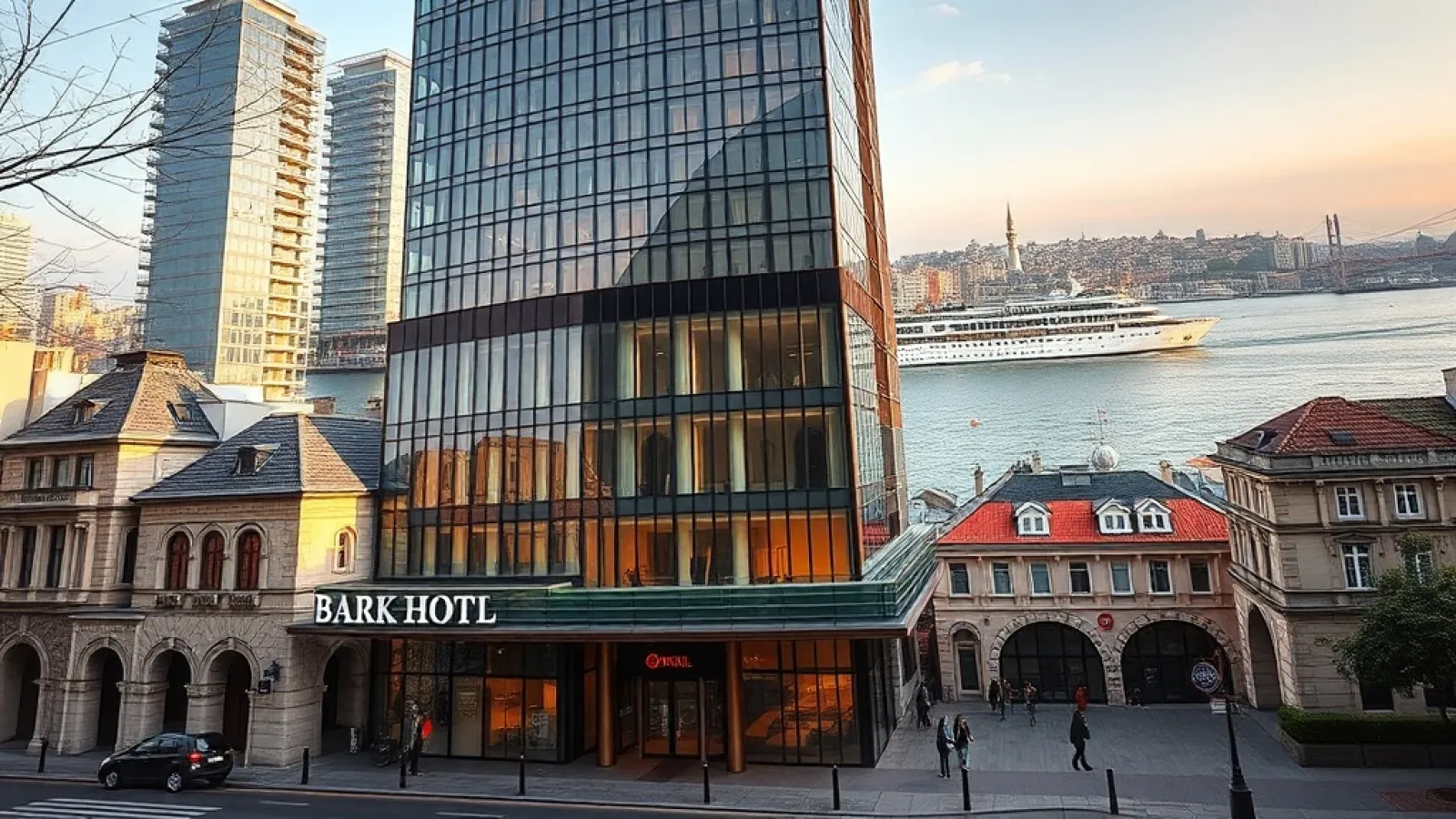
Marriott International has announced plans to expand its portfolio in Türkiye from 59 to 70 hotels by the end of 2025, with a long-term goal of reaching 100 properties. The expansion underscores the company's commitment to a market where it has operated for over four decades, currently holding more than 8,500 rooms across ten major cities including Istanbul, Antalya, and Ankara.
The growth strategy targets both ends of the market. On the luxury side, Marriott's existing brands in Türkiye include Ritz-Carlton, St. Regis, The Luxury Collection, JW Marriott, and EDITION Hotels. According to Sandeep Walia, Marriott's regional operations president, these luxury brands account for 20% of the company's total luxury operations in the country. The company sees rising demand from high-net-worth travellers seeking premium experiences in destinations like Istanbul and Antalya.
At the same time, Marriott is responding to growing demand for affordable accommodation in the Europe, Middle East, and Africa (EMEA) region by introducing the Four Points Flex by Sheraton brand. The mid-scale offering will debut in urban centres such as Istanbul, Bursa, and Antalya, with further expansion planned. The brand aims to provide quality stays at a lower price point, targeting families, business travellers, and younger tourists.
The expansion is expected to generate thousands of jobs across hospitality and construction, and to stimulate local economies in tourism-dependent cities. Marriott is actively seeking new investment and franchise opportunities to accelerate growth.
Why it matters
Marriott's dual-track strategy—bolstering luxury while adding mid-scale inventory—reflects a broader shift in Türkiye's tourism demand profile. The country is attracting both high-spending visitors and a growing volume of budget-conscious travellers from the EMEA region. By expanding its footprint, Marriott is positioning itself to capture a wider share of arrivals as international tourism rebounds. The move also signals confidence in Türkiye's long-term appeal as a destination, which could encourage other international hotel groups to accelerate their own pipeline commitments.