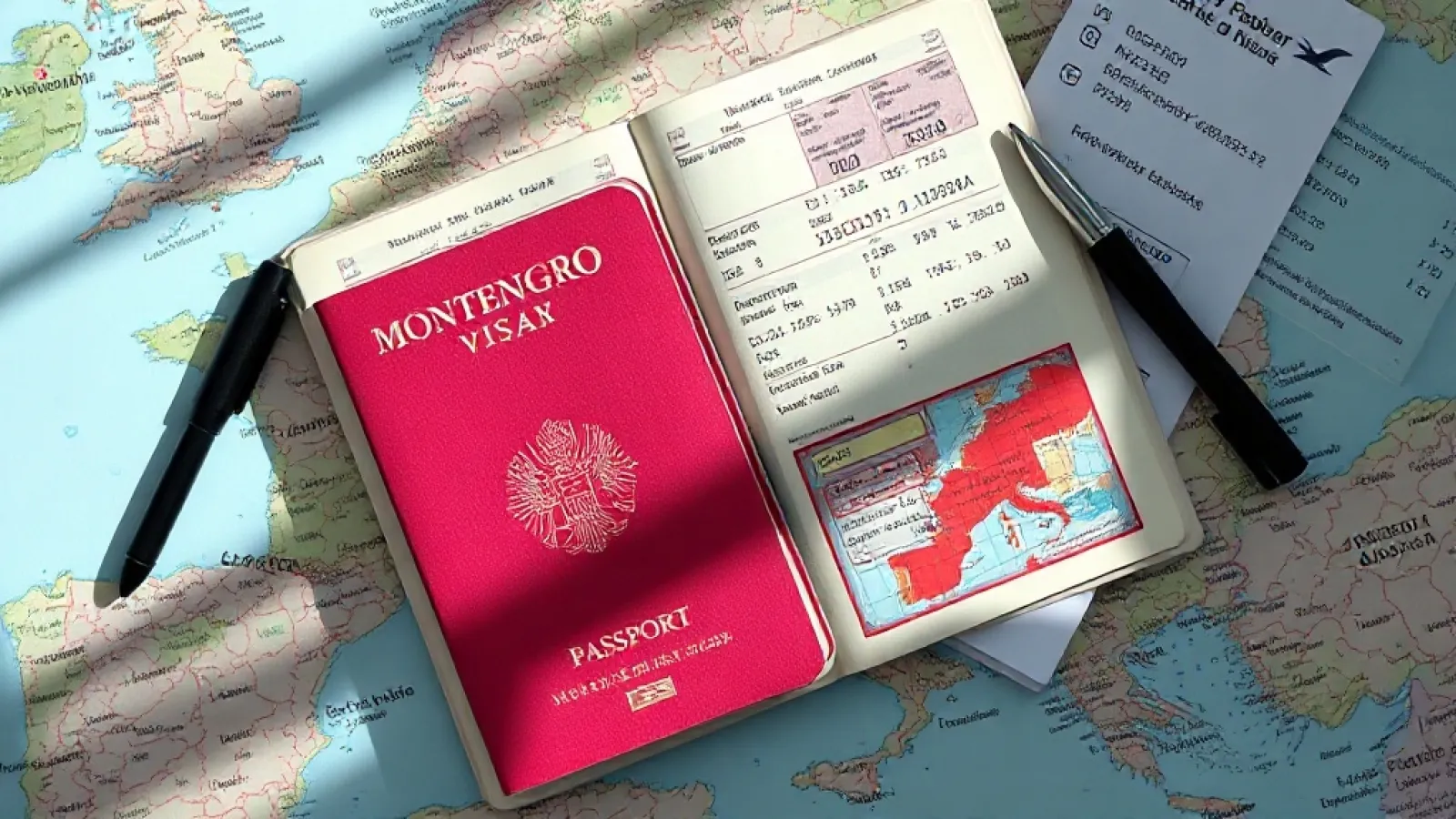
Montenegro will introduce visa requirements for citizens of Russia, Belarus, China, Saudi Arabia, and Turkey from November 2026, according to a report by Ukrainian news outlet 112.ua.
The decision marks a significant reversal for the Adriatic nation, which had previously maintained visa-free regimes with several of these countries to stimulate tourism and investment. The new policy is set to take effect in November 2026, though the exact date has not been specified.
For Turkey, the change is particularly notable. Turkish nationals currently enjoy visa-free access to Montenegro, and Turkey has been a growing source market for Montenegrin tourism, with direct flights and cultural ties. The visa requirement could dampen demand from Turkish travellers, who often choose Montenegro for its coastal resorts and proximity.
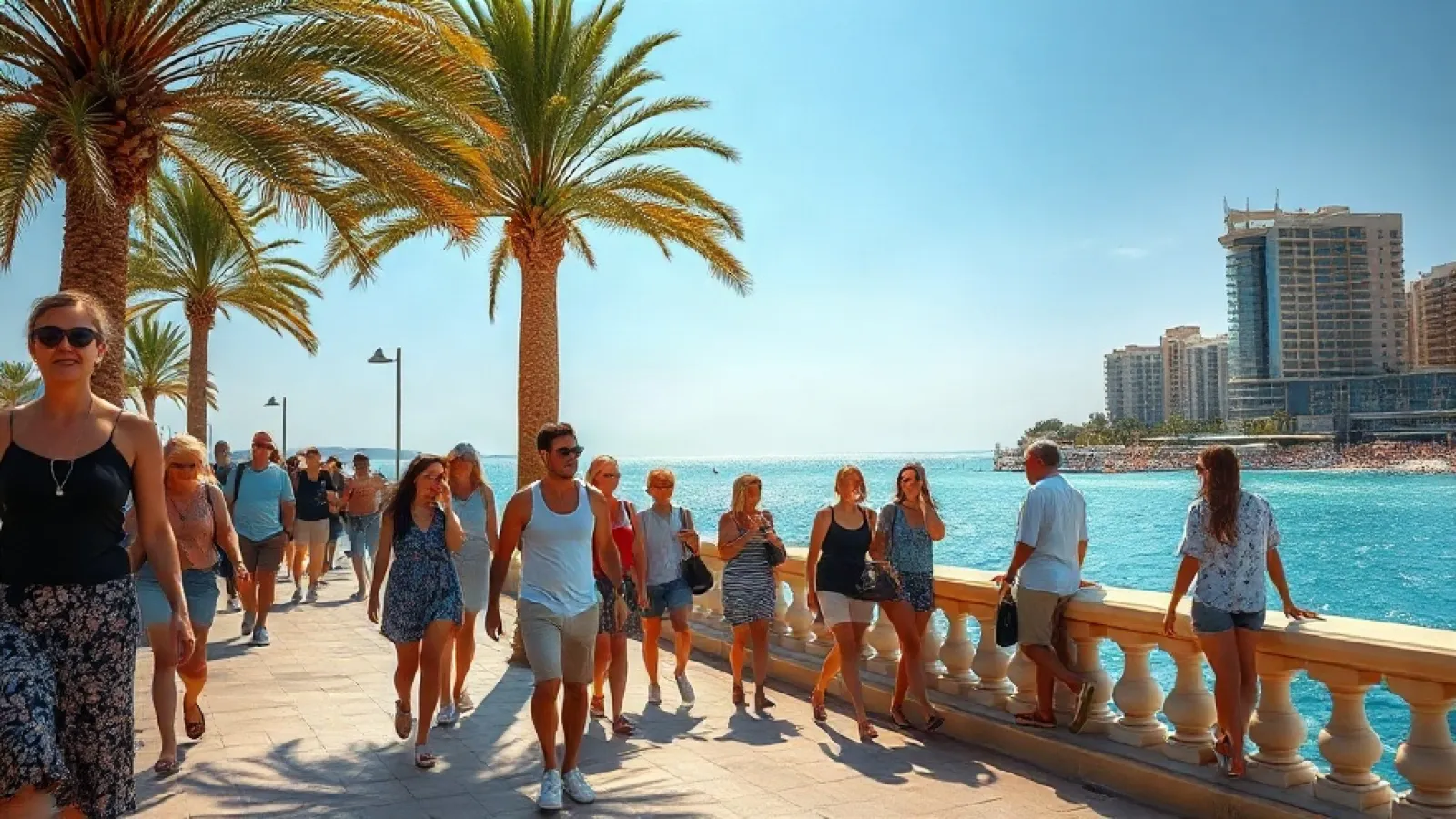
Russia and Belarus have historically been among the top source markets for Montenegro's tourism sector, especially along the Budva Riviera and in coastal towns like Kotor and Tivat. The reintroduction of visas is likely to reduce arrivals from these countries, which have already been affected by broader geopolitical tensions and travel restrictions.
China and Saudi Arabia represent emerging markets for Montenegro. Chinese outbound tourism has been recovering, and Saudi Arabia has seen increased travel demand under its Vision 2030 tourism push. The visa requirement may slow growth from these markets.
The Montenegrin government has not yet released official details on the visa application process, fees, or any potential exemptions. The move aligns with a broader trend of European countries tightening entry rules, often citing security concerns or alignment with EU visa policies.
Why it matters
For tour operators and DMCs active in the Balkans, the visa change will require immediate adjustments to product offerings and marketing strategies. Montenegro's tourism industry, which relies heavily on Russian and Turkish visitors, faces a potential drop in arrivals from these key segments. Hotels and bedbanks may need to pivot to alternative source markets, such as Western Europe, to offset losses. The policy also creates uncertainty for long-term investment in Montenegrin tourism infrastructure, as investor confidence may be affected by reduced visitor volumes from major source countries. Airlines operating routes from the affected countries may need to reassess capacity plans. The move could also shift regional travel patterns, with some travellers potentially redirecting to neighbouring visa-free destinations like Albania or Bosnia and Herzegovina.