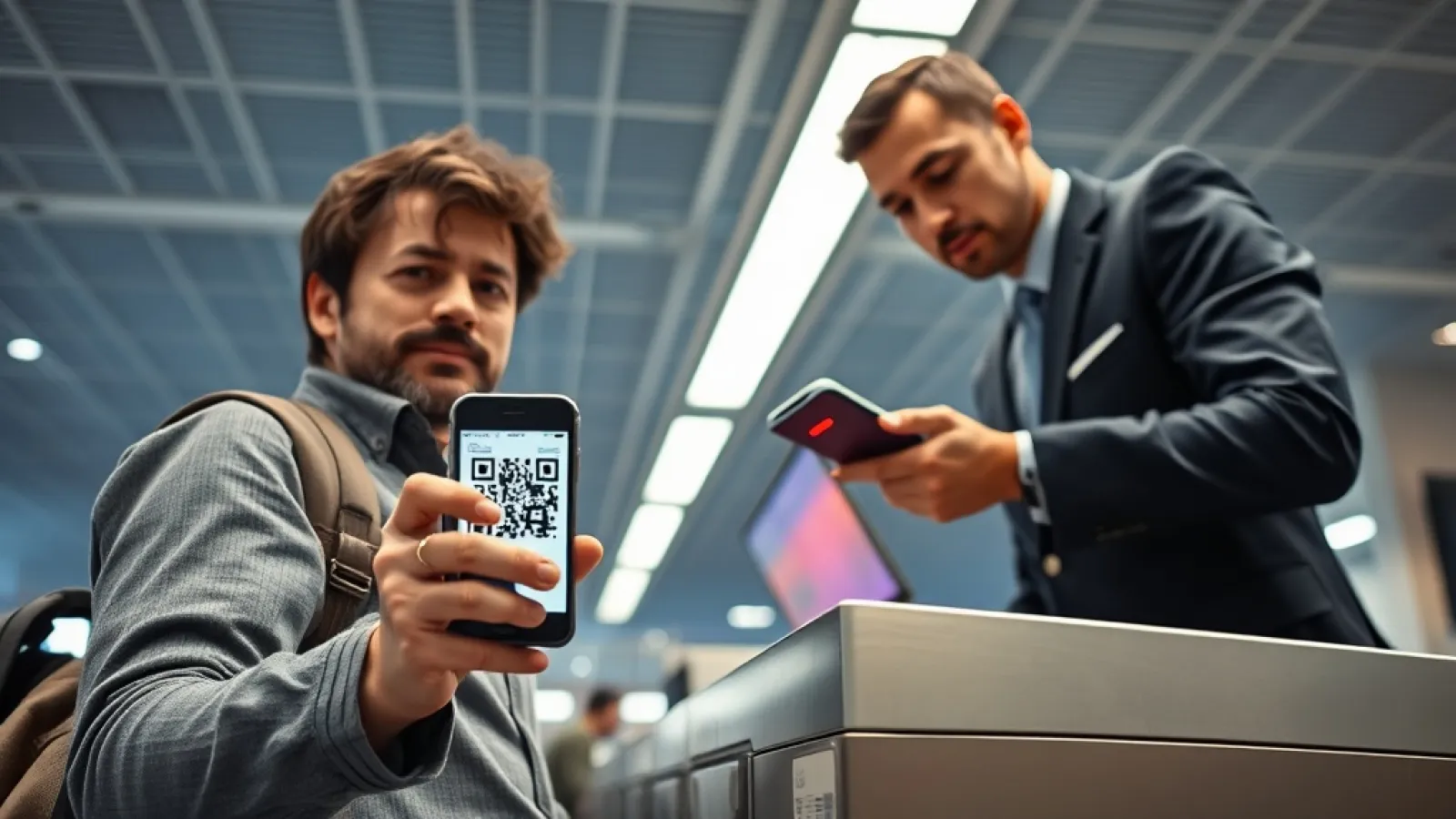
Egypt will launch a pilot Digital Visa-on-Arrival System at Cairo International Airport on August 1, 2026, replacing the traditional paper visa sticker with a QR-code-based process, the Ministry of Tourism & Antiquities announced on July 23.
The pilot covers all arrival terminals at Cairo Airport and is the first phase of a nationwide rollout to other airports. Eligible international travellers can obtain a Visa QR Code through a government online portal, a dedicated mobile app, or self-service kiosks in the arrival halls. The online portal will go live 48 hours before the pilot begins.
Travellers can generate the QR code before departure, during a flight, or after landing, either personally or through a travel advisor. At border control, immigration officers will scan the QR code alongside the passport. The code can be presented digitally via email or in printed form and remains valid for 48 hours from issuance.
The total cost is US$36, comprising the existing US$30 visa fee plus a US$6 issuance fee. During the pilot, the digital system will operate alongside the current paper visa-on-arrival process. Once the trial concludes, the paper sticker will be phased out, making the QR code the sole visa-on-arrival option.
Following Cairo, Egypt plans to expand the system to additional airports in stages, with rollout dates to be announced in advance. The initiative is part of broader efforts to modernize border procedures and deliver a faster, more seamless entry experience for international visitors.
Why it matters
For tour operators and DMCs, the digital visa reduces processing time at the airport, potentially improving customer satisfaction and reducing bottlenecks. The 48-hour validity window encourages travellers to complete arrival formalities promptly. The phased rollout suggests Egypt is testing operational readiness before committing to a full-scale launch, which could affect planning for groups transiting through other airports. The US$6 surcharge adds a modest cost to the traveller, but the convenience may offset it. Travel advisors should familiarise themselves with the online portal and app to assist clients, as the system allows third-party generation of the QR code.