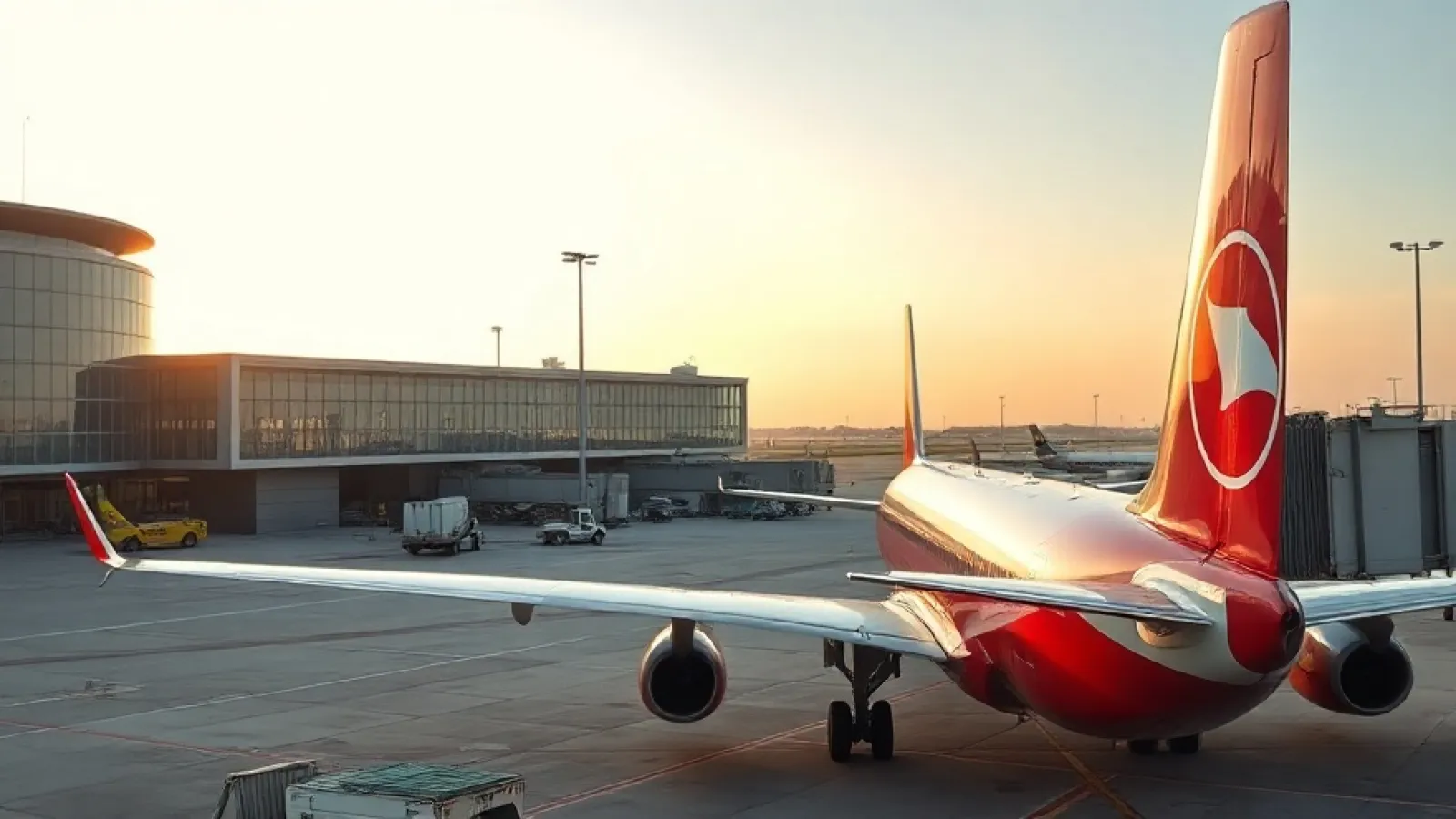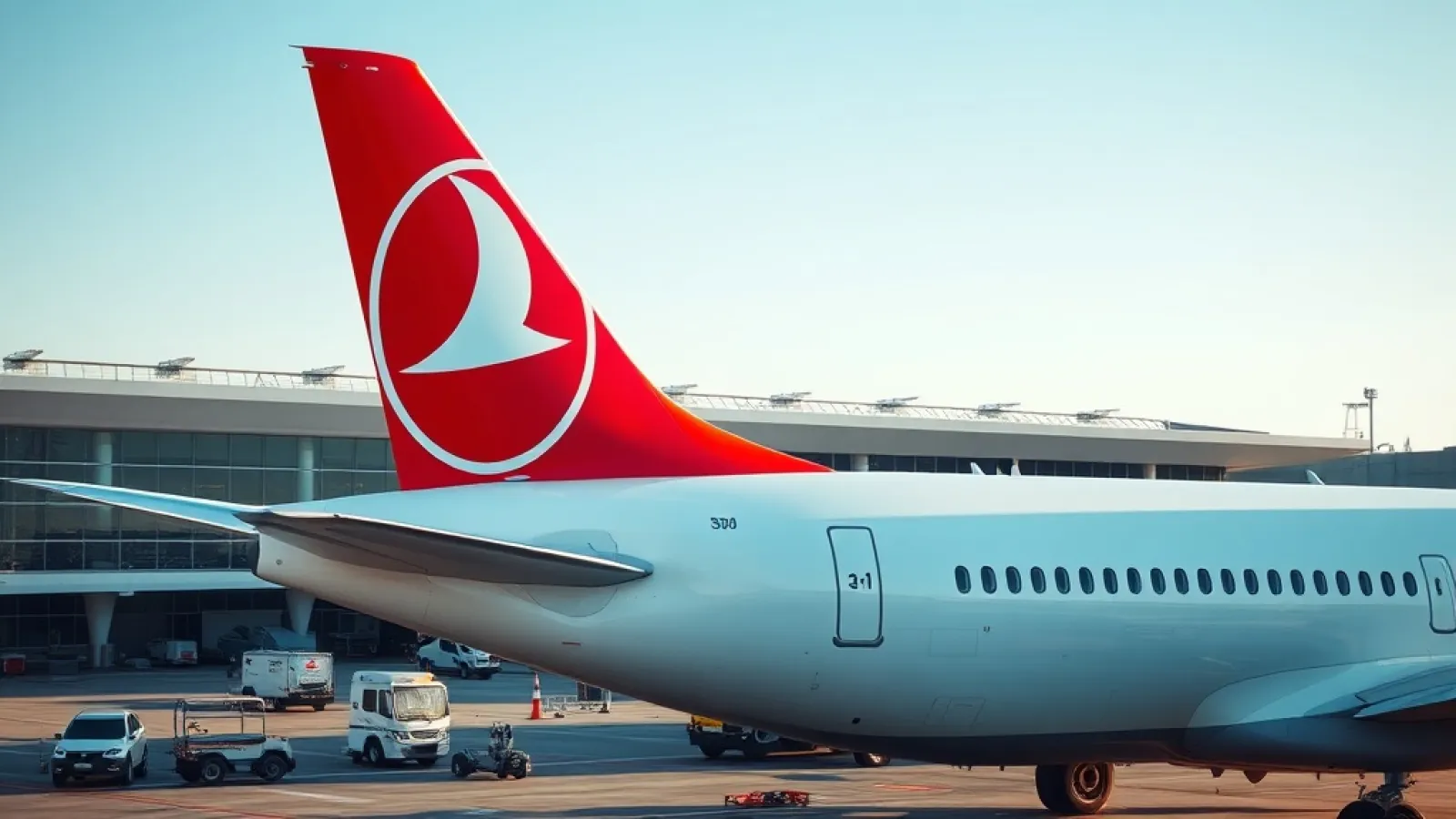
South Africa will increase Turkish Airlines’ combined Istanbul schedule to 20 weekly services from October 2026, up from 14, giving Johannesburg and Cape Town ten flights each. The 42.9% frequency increase follows a 92% year-on-year rise in May arrivals from Türkiye and comes before South Africa’s summer tourism season.
The country received 4,761,108 international tourists from January to May, up 12.8%. The expansion combines additional air access, joint destination marketing and wider codeshare connectivity, creating more departure choice for leisure, corporate and connecting travellers.
South Africa Turns Rapid Türkiye Tourism Growth into More Flights
South Africa is moving quickly to convert strong visitor growth from Türkiye into permanent air-access gains rather than treating the increase as a temporary tourism spike.
From October 2026, Turkish Airlines will operate ten weekly direct services between Istanbul and Johannesburg and another ten between Istanbul and Cape Town. Both routes currently operate seven times per week. The combined South African schedule will therefore rise from 14 to 20 weekly frequencies.
The six additional weekly services represent a 42.9% increase in frequency. Each city will receive three extra weekly flights, giving travellers more flexibility than the current daily schedule.
The October timing is commercially important. It places the extra flights at the start of South Africa’s summer tourism period, when international leisure demand normally strengthens and the country’s major cities, coastal destinations, wildlife circuits and hospitality businesses prepare for peak-season arrivals.
Türkiye Visitor Arrivals Jumped 92% in May 2026
The strongest demand signal behind the expansion came from May 2026. Tourist arrivals from Türkiye increased by 92% compared with May 2025, according to South Africa’s Department of Tourism. This percentage does not describe growth across the entire January-to-May period. It applies specifically to May.
A single month cannot by itself prove a permanent structural shift. However, a near-doubling of year-on-year arrivals, followed by a confirmed 42.9% flight-frequency increase, points towards a strengthening market relationship supported by both passenger demand and coordinated tourism planning.
The route expansion also goes beyond travellers whose final destination is Türkiye. Istanbul functions as a major transfer hub linking Europe, Central Asia, the Middle East, the Balkans and parts of Asia. Turkish Airlines currently lists operations across 130 countries with a fleet of 555 aircraft, giving the expanded South African services a much larger potential catchment than the bilateral Türkiye–South Africa market alone.
South Africa’s Wider Tourism Recovery Supports the Decision
The Turkish Airlines increase is taking place during a broader rise in South African inbound tourism. Statistics South Africa recorded 4,761,108 international tourists between January and May 2026, an increase of 540,522 visitors or 12.8% compared with the corresponding period in 2025.
South Africa had already received 10.5 million international tourists in 2025, representing growth of 17.7% from 8.9 million in 2024. More than three-quarters of the 2025 total came from African markets, while overseas markets accounted for 22.8%. That structure makes long-haul air access particularly important for expanding the overseas segment without weakening the country’s strong regional base.
Johannesburg and Cape Town Gain Equal Strategic Weight
The capacity increase has been divided evenly between South Africa’s two principal long-haul gateways. Johannesburg will continue to serve as the main commercial and connecting hub. O.R. Tambo International Airport processes more than 21 million passengers annually and has stated capacity for 28 million passengers.
The three additional Johannesburg frequencies could support corporate traffic, trade-related journeys, visiting-friends-and-relatives travel and connections into South African and regional African networks. Cape Town will gain the same ten-times-weekly frequency despite operating as a more tourism-led gateway. The increase could benefit city breaks, Western Cape touring, wine tourism, coastal holidays, cruise extensions, premium leisure travel and international conferences.
Equal frequency growth also reduces dependence on a single national entry point. Travellers can begin or finish multi-centre itineraries in different cities, potentially avoiding domestic backtracking between Gauteng and the Western Cape. For tour operators, that creates stronger opportunities for open-jaw itineraries.
Wider Codeshare Network Multiplies the Route’s Value
The expanded flights enter the market after a Turkish Airlines and South African Airways codeshare agreement became available for ticket sales from 1 March 2026. Under the agreement, Turkish Airlines can place its code on selected South African Airways services involving Johannesburg, Cape Town, Durban, Gqeberha, Windhoek, Harare, Victoria Falls and Mauritius. South African Airways can place its code on Turkish Airlines services involving Istanbul and Johannesburg, Cape Town, Durban, Frankfurt, Paris and London.
This arrangement gives the additional Istanbul flights greater commercial reach. The routes do not depend only on travellers beginning or ending journeys in Johannesburg or Cape Town.
Joint Marketing Reduces the Risk of Unsold Capacity
South African Tourism and Turkish Airlines are preparing a joint destination-marketing campaign to support demand across the expanded network. This is a significant part of the commercial strategy. Additional flights alone do not guarantee sustainable route performance. New capacity must be supported by consumer awareness, trade distribution, competitive packages and clear destination messaging.
Coordinated marketing allows the airline to promote available inventory while South African Tourism presents accommodation, attractions and multi-region itineraries. It also creates an opportunity to target travellers beyond Istanbul, using Turkish Airlines’ wider international network to position South Africa across connecting source markets.
Why it matters
The deeper significance lies in the sequence of decisions. South Africa first recorded a sharp increase from Türkiye. It then secured additional airline frequency, paired the expansion with destination marketing and placed it within an existing codeshare framework. This creates a more complete demand-conversion model than a stand-alone route announcement.
The new schedule may also improve itinerary design. Ten weekly services allow more travel combinations than seven weekly flights, particularly for short leisure stays, corporate trips and fixed-date events. Travellers may gain more options when matching international arrivals with safari departures, conferences, cruises, tours or domestic connections.
However, the 92% May increase must be interpreted carefully. Percentage growth can be amplified by a modest comparison base. Long-term success will depend on absolute passenger volumes, yields, seasonal load factors, connecting traffic and the ability of market.