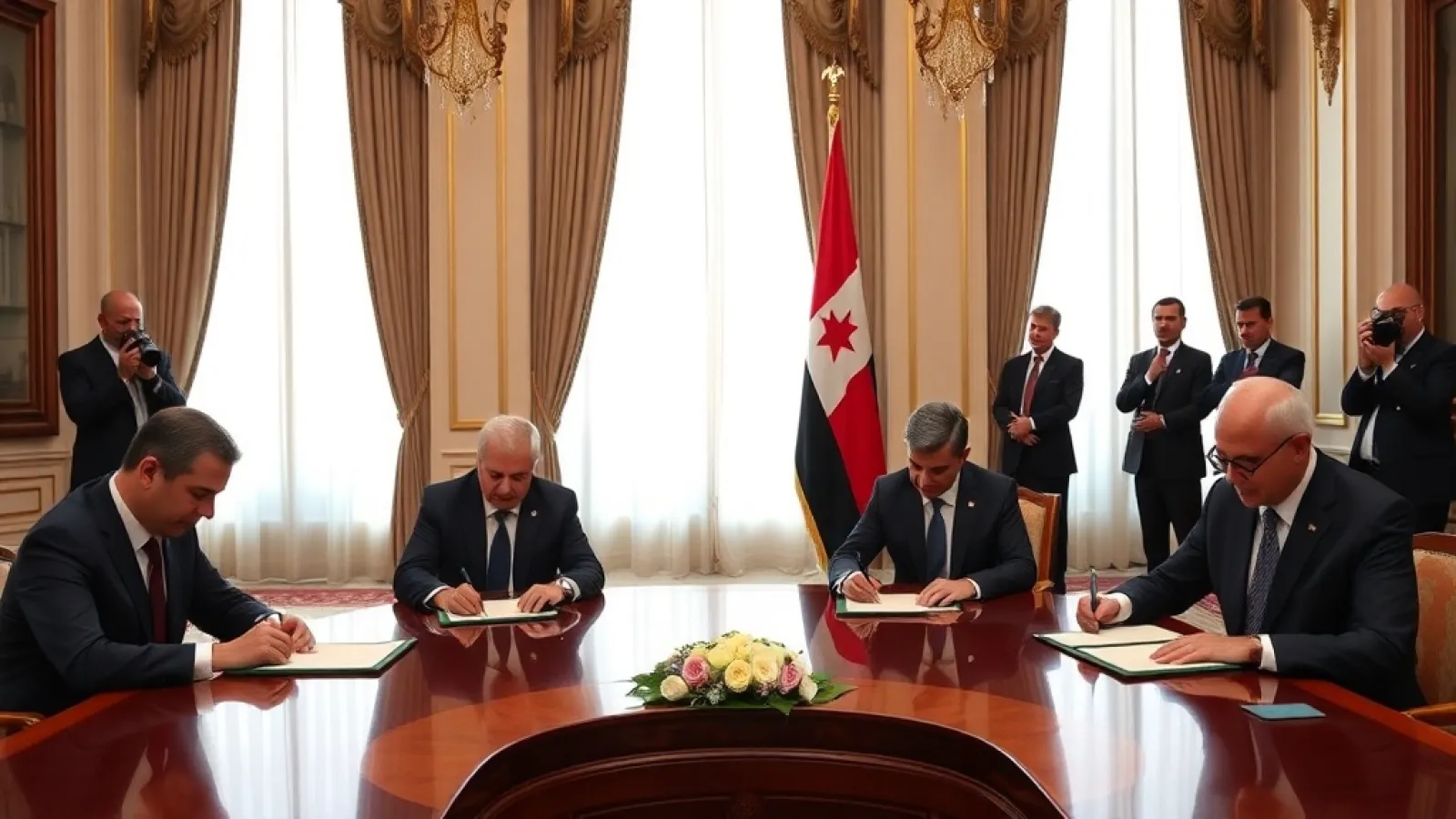
Syria's Ministry of Tourism has signed a strategic memorandum of understanding with three Saudi technology firms — Tamkeen, Cipher and Hawaz — to accelerate the digital transformation of the country's tourism sector and enhance its competitiveness in regional and international markets.
The agreement, signed in Damascus on Thursday, 23 July 2026, marks a significant step in the Ministry's long-term strategy to modernise tourism through a fully integrated digital ecosystem. Rather than focusing solely on administrative reform, the initiative aims to improve visitor services, strengthen institutional performance and support data-driven tourism planning.
Under the MoU, the partners will develop a unified digital platform for tourism services and bookings, alongside a national tourism portal offering comprehensive information on destinations, attractions and events across Syria. The project will also strengthen cybersecurity, introduce data governance frameworks and establish advanced data collection and analytics systems to support evidence-based policymaking and long-term sector development.
Mazen Al-Salhani, Minister of Tourism, said: "Digital transformation is not simply a technology project—it is a strategic pillar of rebuilding a more competitive, resilient and future-ready tourism sector. Our ambition is not merely to keep pace with digital transformation, but to lead it across the tourism industry by building an integrated digital ecosystem powered by trusted data, robust governance and resilient cybersecurity. We want the Ministry of Tourism to serve as a benchmark for digital government in the tourism sector and to become the reference point for the wider tourism ecosystem."
The agreement was signed in the presence of representatives of the three Saudi companies, members of the Syrian-Saudi Business Council and senior ministry officials, highlighting the growing role of public-private partnerships in Syria's digital transformation efforts.
Tamkeen, Cipher and Hawaz bring expertise in digital transformation, government technology, cybersecurity and institutional modernisation, with experience supporting projects aligned with Saudi Vision 2030. Their involvement is expected to help the Ministry adopt international best practices in digital governance, service design and operational efficiency.
In addition to digital infrastructure, the programme includes destination marketing campaigns targeting regional and international visitors, as well as training initiatives to equip tourism professionals with skills for an increasingly digital industry.
The initiative builds on the Ministry's wider digital transformation roadmap and aligns with Syria's broader national agenda to modernise public services, strengthen digital infrastructure and expand e-government capabilities. By embedding digital technologies across the tourism value chain, the project aims to improve visitor engagement, attract investment and support sustainable tourism growth through innovation and data-driven decision-making.
Why it matters
For travel-trade professionals, the MoU signals a concrete step by Syria to rebuild its tourism infrastructure after years of conflict. The involvement of Saudi firms with Vision 2030 experience suggests potential for cross-border digital standards and could eventually ease booking and data flows for tour operators and DMCs entering the Syrian market. The emphasis on cybersecurity and data governance also addresses a key concern for international partners considering digital integration with Syrian entities.