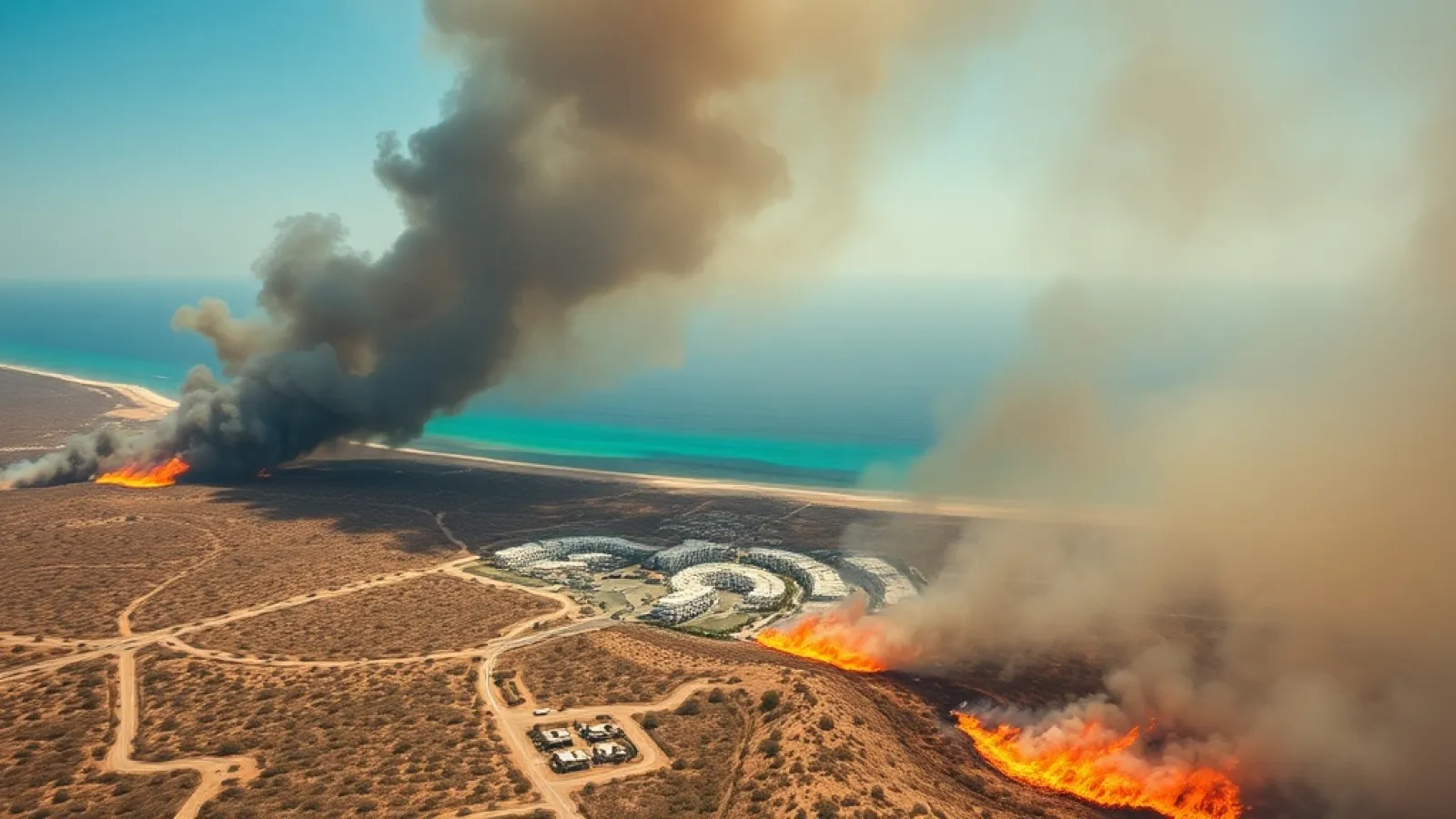
Wildfires are raging across southern Türkiye, with multiple blazes reported in several provinces as of Thursday, 30 July 2026. The fires, which began earlier this week, have forced evacuations of residential areas and threatened key tourism destinations along the Mediterranean coast.
Authorities have deployed firefighting aircraft and ground crews to contain the flames, but strong winds and dry conditions have hampered efforts. The affected regions include popular tourist areas such as Antalya, Muğla, and Mersin, where several hotels and resorts have been evacuated as a precaution.
Local officials reported that the fires have destroyed thousands of hectares of forest and agricultural land. No casualties have been confirmed, but dozens of people have been treated for smoke inhalation. Emergency services are working to protect residential areas and critical infrastructure.
The Turkish government has activated its disaster response mechanism, and the Ministry of Culture and Tourism has advised tourists to follow safety instructions from local authorities. Some flights to affected airports have been delayed or diverted, and road closures are in place near active fire zones.
Tour operators and travel agencies are monitoring the situation closely, with many offering flexible cancellation policies for bookings in the affected regions. The peak summer season, which typically sees high occupancy rates along the Turkish Riviera, faces potential disruption.
Why it matters
The wildfires pose a direct threat to Türkiye's tourism sector, which relies heavily on the summer months for revenue. The affected regions account for a significant share of the country's international arrivals, particularly from European markets. Prolonged fires could lead to cancellations and a shift in bookings to alternative destinations, impacting local economies and the broader travel trade. The situation also highlights the growing risk of climate-related disruptions to Mediterranean tourism, a trend that industry stakeholders must factor into risk management and contingency planning.