North Macedonia recorded a significant shift in its tourism source markets in May, with Turkey overtaking Germany, Serbia and other key origins to become the country’s leading source of foreign tourists. Official statistics show Turkish visitors accounted for 34,681 arrivals during the month, reflecting strong travel demand between the two countries.
Foreign overnight stays in North Macedonia reached 179,321 in May, an increase of 8.8% compared with the same period a year earlier. The rise indicates not only higher visitor numbers but also longer average stays, which support revenue across hotels, restaurants, transport and local attractions.
Germany ranked as the second-largest source market in May with 9,578 visitors, followed by Serbia with 7,605. The performance of these markets underscores the importance of both regional connections and broader European demand for North Macedonia’s tourism sector.
Looking at the full year 2025, international arrivals to North Macedonia grew 10.3% to 916,001. The increase highlights the country’s continued recovery and expansion as a Balkan destination, attracting travellers seeking cultural heritage, natural landscapes and affordable travel experiences.
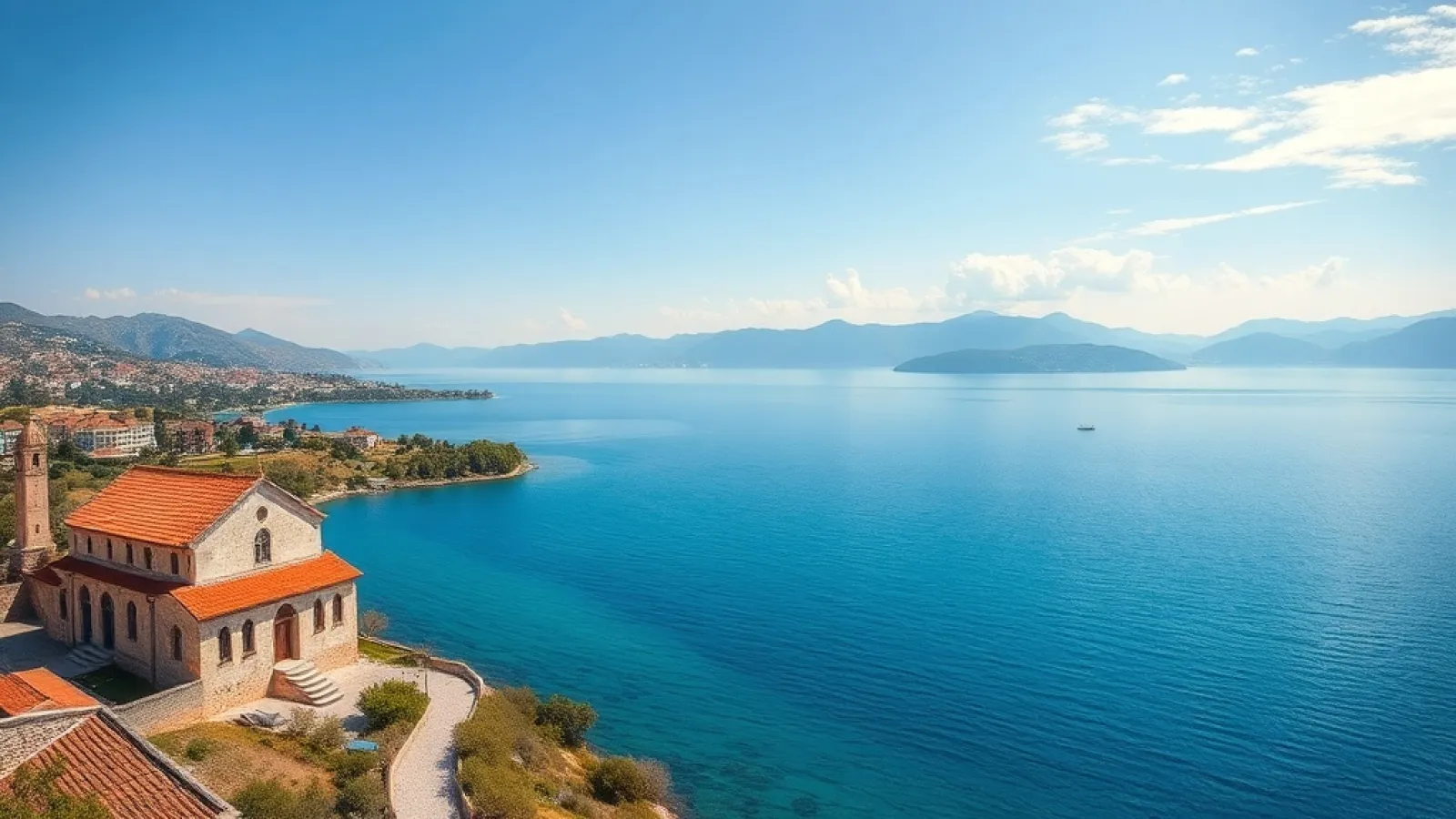
Key destinations driving this growth include Lake Ohrid, a UNESCO-listed site, the capital Skopje, and various mountainous regions that appeal to adventure and eco-tourists. The diversity of offerings allows North Macedonia to attract families, cultural tourists and nature enthusiasts alike.
The rise in foreign arrivals and overnight stays is creating new opportunities for the hospitality industry and related businesses. Hotels, tour operators and local service providers are benefiting from stronger demand, while tourism’s contribution to employment and regional development continues to grow.
Why it matters
The emergence of Turkey as North Macedonia’s top source market signals a shift in regional travel dynamics, with Turkish travellers now driving a larger share of inbound tourism than traditional European markets. For tour operators and DMCs, this trend suggests a need to tailor products and marketing to Turkish visitor preferences, including Ottoman heritage, cuisine and value-for-money packages. The sustained growth in overnight stays and arrivals also strengthens North Macedonia’s position as a rising Balkan destination, potentially attracting further investment in accommodation and transport infrastructure. However, maintaining momentum will require continued promotional efforts and improved connectivity to diversify source markets beyond the current top three.