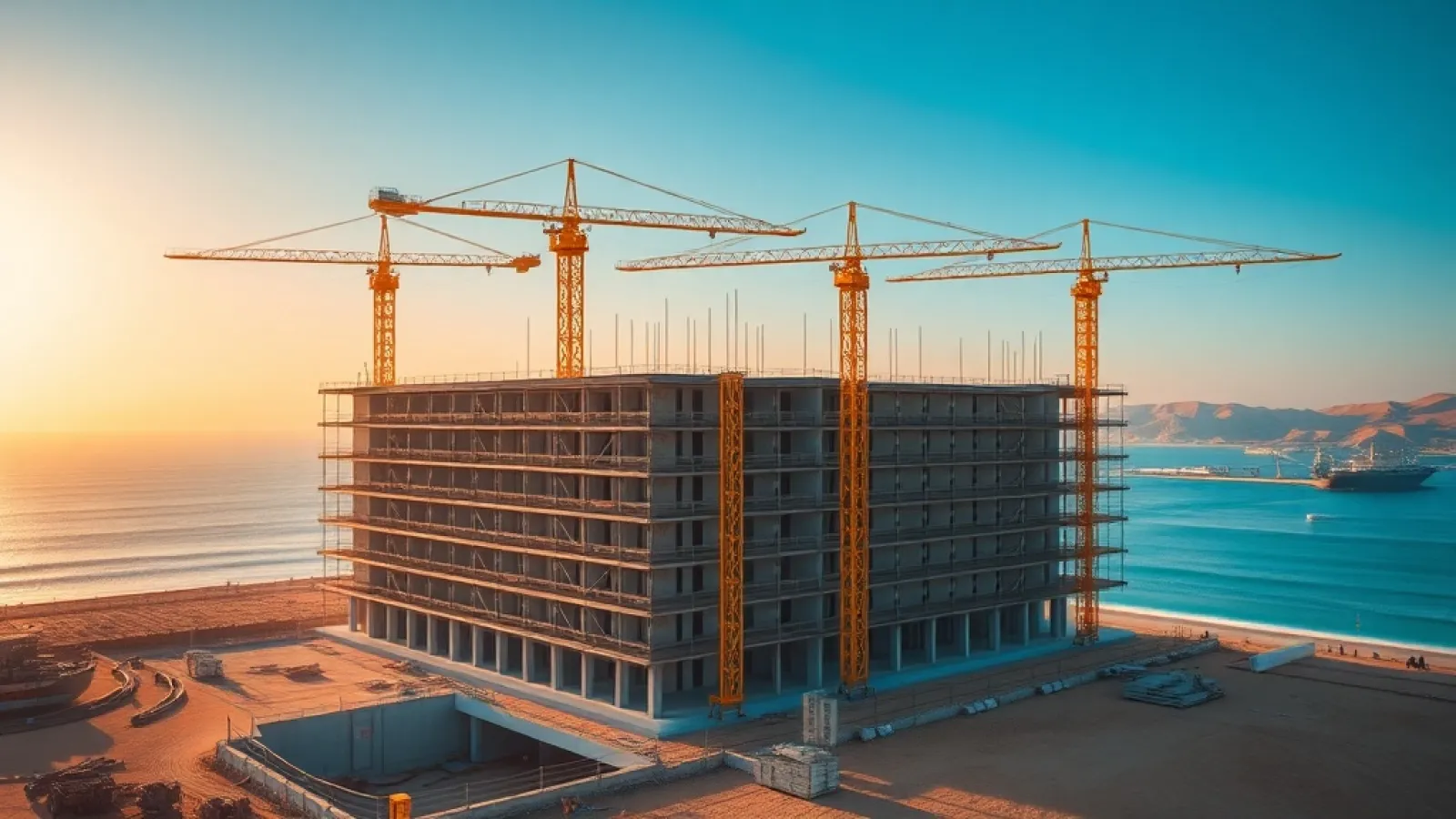
Egypt has launched a LE 50 billion (EGP 50 billion) financing initiative to support the tourism sector, offering subsidized loans with flexible repayment terms to tourism companies. The initiative, announced by the Ministries of Finance and Tourism, aims to increase hotel room capacity in key tourism areas, enhancing Egypt's ability to host more visitors.
Priority will be given to the governorates of Luxor, Aswan, Greater Cairo, the Red Sea, and South Sinai. Finance Minister Ahmed Kouchouk highlighted the state treasury's role in providing subsidized interest rates on these funds for five years from the first financing disbursement, with the goal of stimulating growth in hotel infrastructure.
Tourism companies wishing to benefit must allocate 40 percent of their foreign currency earnings to the financing banks, a step meant to ensure the initiative’s sustainability. Minister of Tourism and Antiquities Sherif Fathy noted that this funding is a crucial boost for tourism investment, particularly in the hotel sector, enabling Egypt to accommodate a growing number of tourists.
Eligible companies have a year to apply, with funding capped at LE 1 billion per company and LE 2 billion for related entities. The financing will feature a low, gradually declining interest rate of 12 percent, with disbursements capped at 16 months, ending by June 2026. Companies will also have a six-month grace period post-disbursement to secure their final or provisional operating licenses.
As of the announcement date, 96 companies have applied, meeting the initiative’s eligibility requirements. In support of the initiative, the Central Bank of Egypt (CBE) released comprehensive guidelines in October 2024 to facilitate access to this EGP 50 billion funding, addressing challenges faced by the tourism sector.
Why it matters
This initiative represents a significant state-backed effort to expand Egypt's hotel infrastructure, directly addressing capacity constraints in key tourist destinations. The requirement that 40 percent of foreign currency earnings be allocated to financing banks ties loan benefits to hard currency generation, which is critical for Egypt's broader economic stability. The cap of LE 1 billion per company and the focus on Luxor, Aswan, Cairo, the Red Sea, and South Sinai suggest a targeted approach to boosting high-potential areas. With 96 companies already applying, the scheme appears to have strong initial uptake, which could accelerate hotel development and help Egypt capture a larger share of regional tourism demand.