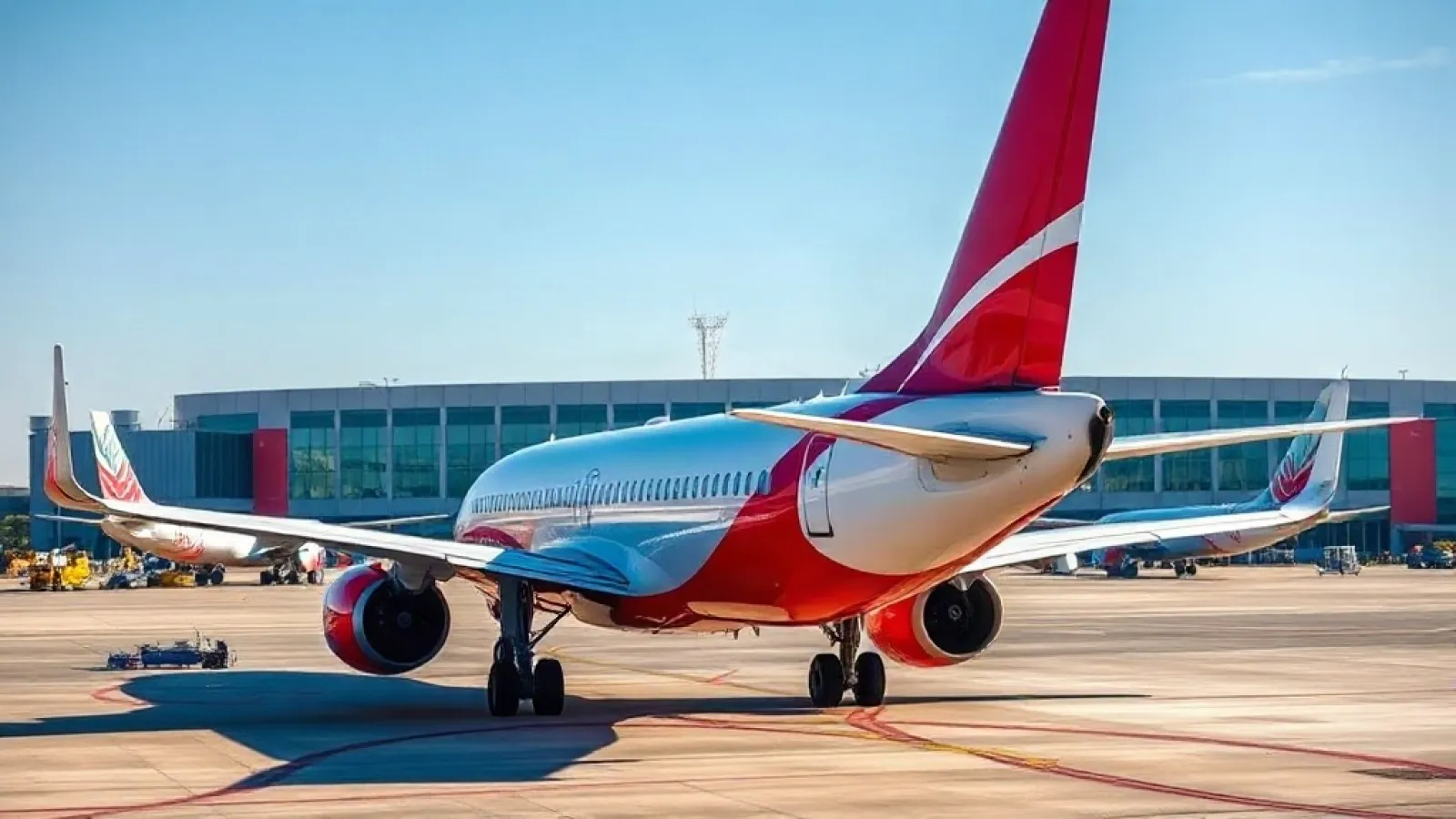
Turkish Airlines is set to expand its Italian network with new flights from Istanbul Airport to Palermo, operated by Boeing 737 aircraft. The addition brings the carrier's Italian destination count to eight, alongside existing services to Bari, Bologna, Catania, Milan, Naples, Rome, and Venice.
The new route underscores Turkish Airlines' continued focus on the Italian market, which remains one of its largest in Europe. Palermo, the capital of Sicily, is a key gateway to the island's tourism and business sectors, and the new connection will provide passengers from Türkiye and beyond with direct access to the region.
Flights will operate from Istanbul Airport, the airline's main hub, which serves as a major transit point for connecting traffic between Europe, Asia, and beyond. The use of Boeing 737 aircraft suggests a focus on efficiency and frequency, catering to both leisure and business demand.
With the addition of Palermo, Turkish Airlines now serves eight Italian cities, strengthening its position in a market that is vital for both tourism and trade. Italy is a top destination for Turkish travellers, and the expanded network is expected to boost two-way traffic.
The announcement comes as the airline continues to rebuild and expand its route map following the pandemic, with a particular emphasis on high-demand leisure routes. Palermo's popularity as a tourist destination, combined with Istanbul's role as a global hub, makes the new service a strategic addition.
Industry observers will watch how the new route performs, particularly in terms of load factors and yield, as Turkish Airlines balances growth with profitability. The airline's ability to leverage its hub at Istanbul Airport, which offers extensive onward connections, will be key to the route's success.
Why it matters
For travel trade professionals, the new Palermo service expands Turkish Airlines' Italian offering, providing more options for tour operators and travel agents to package Sicily as a destination. The direct connection from Istanbul also opens up new possibilities for multi-centre itineraries, combining Türkiye with Italy.
The route strengthens Istanbul Airport's position as a major European gateway, offering travellers from Asia and the Middle East a convenient link to Sicily. This could stimulate inbound tourism to Palermo and the wider region, benefiting hotels, DMCs, and other local suppliers.
At the same time, the addition of an eighth Italian destination highlights the competitive dynamics in the Europe–Italy market, where carriers are vying for market share. Turkish Airlines' hub strategy, with its extensive network, gives it a distinct advantage in connecting traffic, which could pressure other airlines on similar routes.
For the trade, the new service represents a commercial opportunity, but also underscores the need to monitor capacity and pricing trends as the market evolves.