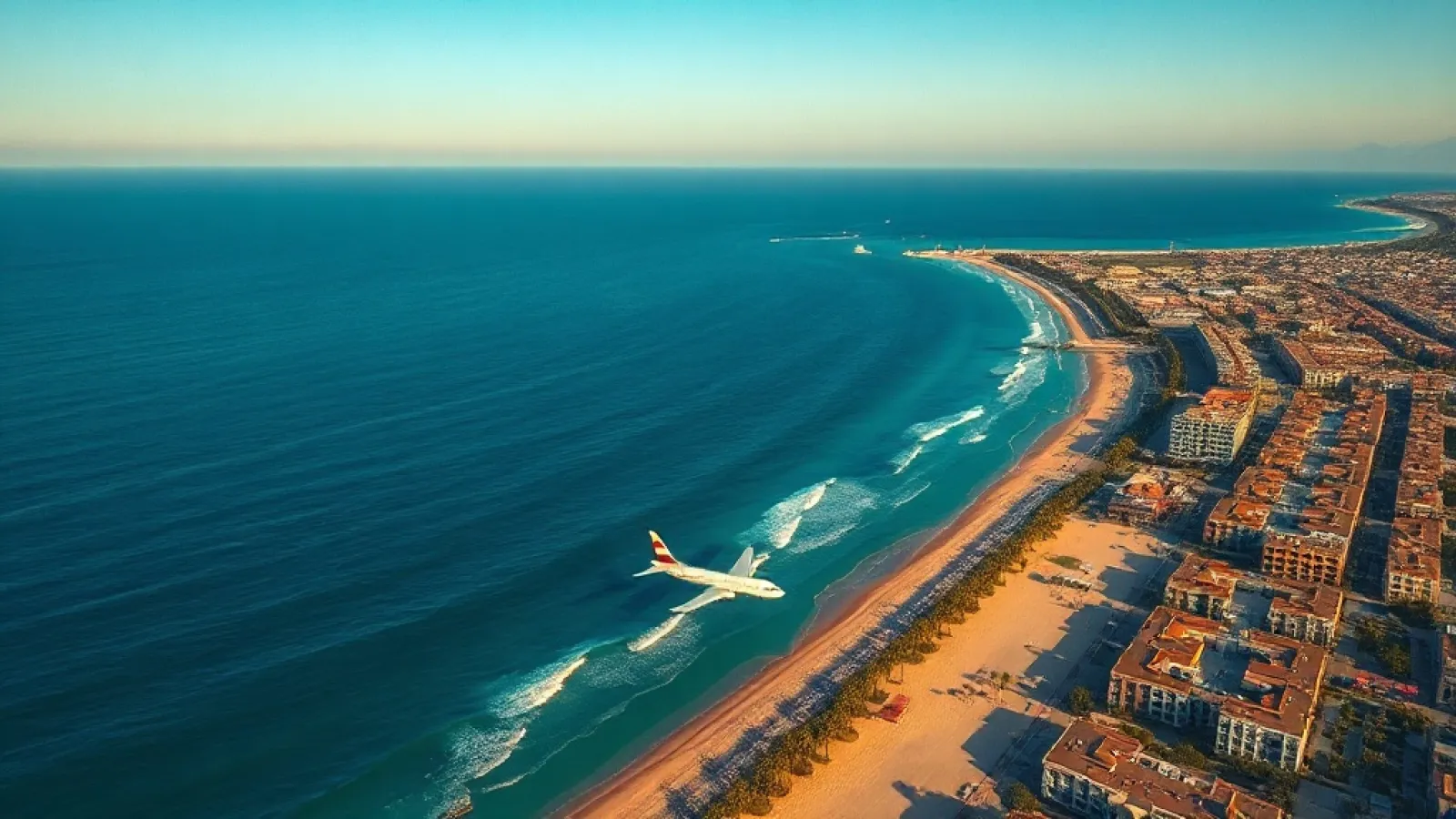
Turkey is pushing back against Western sanctions on Russia by supporting a new airline dedicated to flying Russian tourists to its Mediterranean resorts, according to a report in The i Paper. The move, which includes £240 million in loans to Turkish travel companies, is designed to sustain the flow of Russian visitors to Antalya, a key destination for the country's tourism industry.
The new airline is intended to bypass restrictions that have grounded many Russian carriers and limited travel options for Russian citizens following the invasion of Ukraine. By providing a direct air link, Turkey aims to maintain its position as a leading holiday destination for Russian sun-seekers, even as other countries close their airspace and impose travel bans.
The report highlights that Turkey, a NATO member, has chosen not to align with the sanctions regime imposed by the alliance and its allies. Instead, Ankara is leveraging its geographic position and tourism infrastructure to capture a larger share of the Russian outbound market, which has been redirected away from traditional European destinations.
The £240 million in loans is intended to support Turkish travel firms that have been affected by the downturn in Russian tourism, helping them to weather the crisis and prepare for a potential rebound. The funding is part of a broader strategy to keep the tourism sector afloat, which is vital to Turkey's economy.
Antalya, located on the Turkish Riviera, has long been a favourite among Russian tourists, known for its beaches, all-inclusive resorts, and warm climate. The new airline is expected to operate regular flights from major Russian cities to Antalya, ensuring a steady stream of visitors throughout the summer season.
The development comes as other countries, including EU members and the UK, have banned Russian airlines from their airspace and imposed visa restrictions on Russian nationals. Turkey has maintained an open-door policy, allowing Russians to travel freely and even offering residency options for those seeking to relocate.
Industry analysts note that Turkey's stance could have significant implications for the regional tourism market. By positioning itself as a neutral ground, Turkey may attract not only Russian tourists but also those from other countries who are wary of travelling to conflict-affected areas.
However, the move is not without risks. Turkey's alignment with Russia on this issue could strain its relations with NATO allies and potentially lead to economic repercussions. The loans, while providing short-term relief, may not be sufficient to offset the broader impact of sanctions on the Russian economy, which could reduce disposable income for travel.
Why it matters
For the travel trade, Turkey's decision to launch a dedicated airline and extend financial support to travel firms signals a strategic pivot. It underscores the importance of the Russian market to Turkey's tourism sector, which has been a major source of revenue. By maintaining air links, Turkey is ensuring that its resorts remain accessible to Russian tourists, who might otherwise be forced to stay home or seek alternative destinations.
This move could also reshape competitive dynamics in the region. As European destinations lose Russian visitors due to sanctions, Turkey stands to gain market share, potentially attracting investment in its tourism infrastructure. However, the long-term viability of this strategy depends on the duration of the conflict and the resilience of the Russian economy.
For tour operators and bedbanks, the new airline offers a reliable channel to package holidays for Russian clients, while also opening opportunities for other source markets. But the political implications cannot be ignored; companies operating in Turkey may face reputational risks or compliance challenges if they are seen to be circumventing sanctions.
Overall, Turkey's actions highlight the complex interplay between geopolitics and tourism, and the trade must navigate these waters carefully to capitalise on emerging opportunities while mitigating potential fallout.