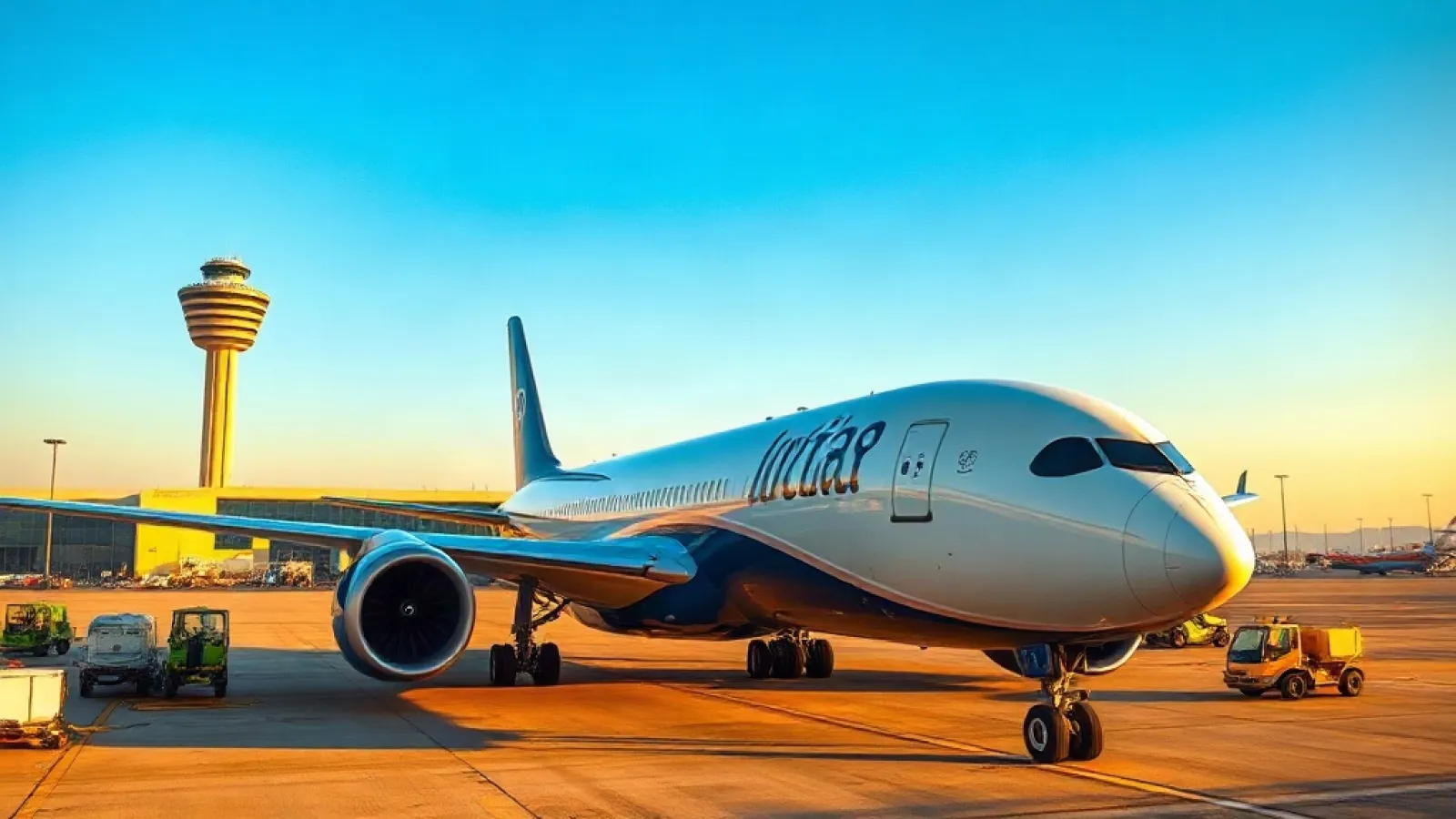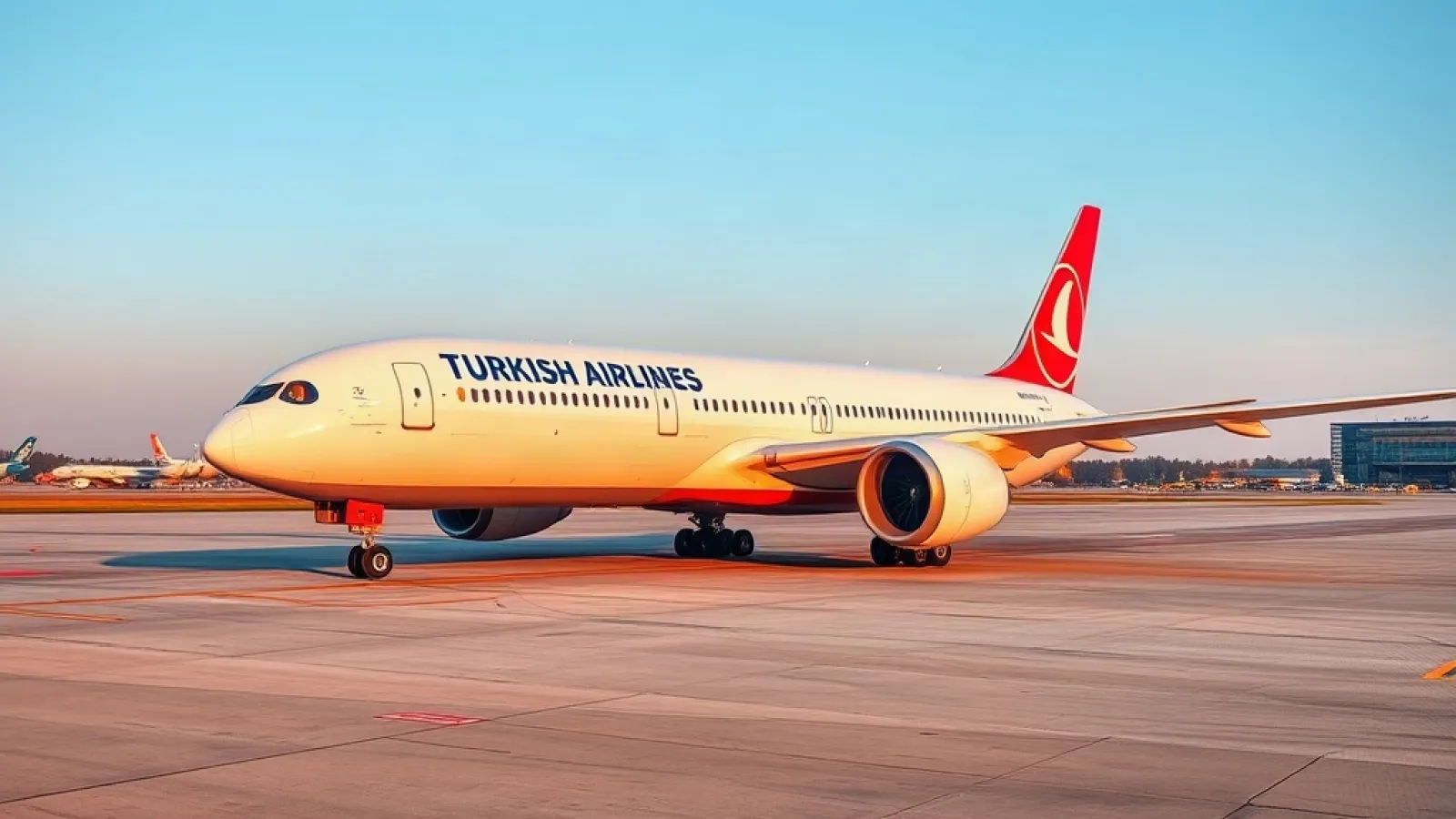
Turkish Airlines has launched its first ever long-haul Boeing 787 route to Bali, marking a significant expansion of its network into Southeast Asia. The carrier will operate the route with its Boeing 787-9 aircraft, a type that has become central to its long-haul strategy.
The new service connects Istanbul to Denpasar, Bali, offering travelers a direct link between Türkiye and one of Indonesia's most popular tourist destinations. The route is expected to cater to both leisure and business demand, with Bali being a major draw for international tourism.
This deployment represents a milestone for Turkish Airlines' use of the 787-9, which the airline has been progressively integrating into its fleet for long-haul operations. The aircraft's range and efficiency make it well-suited for routes of this length, allowing the airline to open new markets without the need for refueling stops.
The launch comes as Turkish Airlines continues to expand its global footprint, particularly in Asia, where demand for air travel has been growing steadily. The new Bali route is part of a broader strategy to strengthen connectivity between Europe and Southeast Asia, leveraging Istanbul's geographic position as a hub.
For the travel trade, the new route offers additional capacity and options for tour operators and agents selling Bali as a destination. It also provides a new gateway for travelers from Europe and beyond, potentially boosting tourism flows to Indonesia.
Why it matters
The introduction of the 787-9 on the Istanbul–Bali route signals Turkish Airlines' commitment to expanding its long-haul network into high-growth leisure markets. For tour operators and DMCs, the new direct service reduces travel time and simplifies logistics compared to connecting itineraries, making Bali more accessible from Europe and the Middle East.
The choice of the 787-9, with its lower operating costs and greater fuel efficiency, suggests the airline sees sustainable demand on this route. This could encourage further network expansion in Southeast Asia, potentially opening up new opportunities for the travel trade in the region.
For Indonesia, the route is a boost to its tourism industry, providing a new source of visitors from a key European hub. The direct connection may also stimulate business travel and trade links between the two countries.
As Turkish Airlines continues to grow its 787 fleet, more long-haul routes are likely to follow, reshaping competition on routes to Asia and offering the trade more choices for their clients.