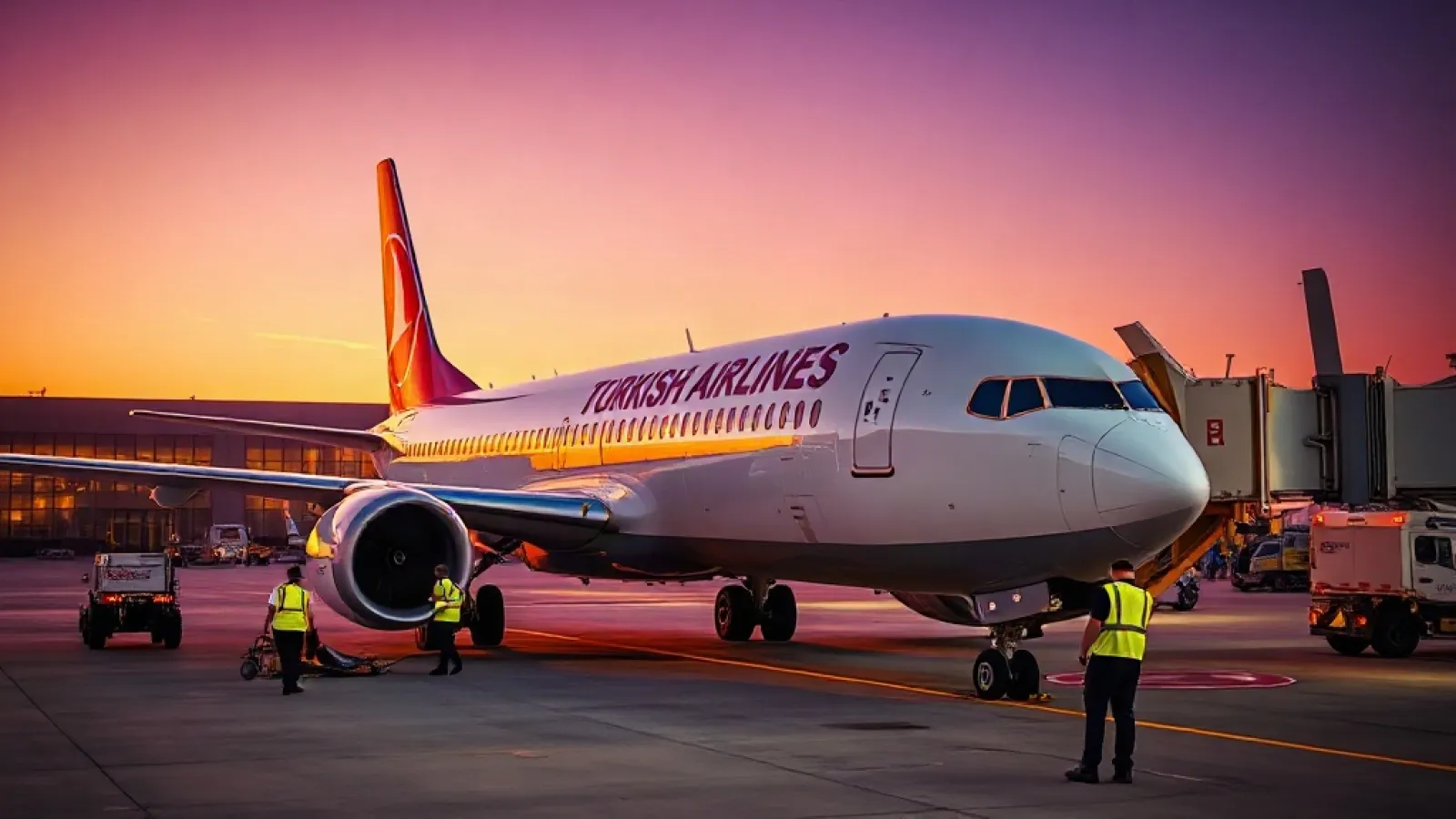
Turkish Airlines has permanently cut 11 routes from its network, including services to five African capitals, according to an analysis published by The Aviation Hub. The move comes as the carrier expands its narrowbody fleet with an order for 150 Boeing 737 MAX aircraft.
The route reductions mark a notable contraction in the airline's African footprint, a region where Turkish Airlines has historically pursued aggressive growth. The five affected capitals were not individually named in the report, but the scale of the withdrawal — five capital-city services among 11 total route cuts — represents a meaningful pullback from a continent the carrier has long treated as a strategic priority.
The timing is striking. Turkish Airlines is simultaneously taking on 150 Boeing 737 MAX jets, an order that signals confidence in future capacity growth. The juxtaposition of fleet expansion and network contraction suggests a deliberate reallocation of resources rather than a broad retreat.
Why it matters
For the travel trade, the route cuts carry immediate practical consequences. Operators and DMCs that have built itineraries around Turkish Airlines' African network — particularly those routing passengers through Istanbul to West, Central or East African destinations — will need to rebook clients onto alternative carriers or adjust schedules. Bedbanks and tour operators selling multi-country African programmes may find their preferred connections no longer available.
The deeper signal is one of network discipline. Turkish Airlines has spent years building Istanbul into a super-hub connecting Europe, Asia, Africa and the Americas. Cutting 11 routes while ordering 150 narrowbody aircraft implies the carrier is prioritising frequency and yield on stronger corridors over breadth of coverage. For competitors — Gulf carriers, Ethiopian Airlines and European legacy operators — the withdrawal from five African capitals opens a window to capture displaced traffic.
For hotel investors and destination marketers in the affected markets, the loss of a major connecting carrier can dampen inbound leisure and business travel volumes in the near term. Conversely, markets that retain or gain Turkish Airlines service may see improved connectivity as the carrier concentrates capacity.
The broader question for the trade is whether this represents a temporary reset or a structural shift in Turkish Airlines' African strategy. The carrier's fleet order suggests it retains long-term growth ambitions, but the route cuts indicate that not all destinations will share in that expansion. Trade partners with exposure to the affected routes should monitor further schedule changes and consider diversifying carrier relationships.