Akfen GYO (ISIN TRAAKFGY91Q2), a Turkey-based real estate investment company, is drawing attention to its hospitality-focused portfolio as the country’s tourism sector continues to recover. The company’s core strategy centres on holding and managing income-generating properties, primarily hotels and mixed-use developments, that generate rental and lease income through long-term agreements with operating partners.
Hospitality assets and tourism trends
The company’s portfolio is shaped by hotel properties that benefit from Turkey’s role as a major tourism destination. These hotels are typically operated under established brands or by experienced operators, allowing Akfen GYO to focus on steady lease income rather than direct hotel management. For investors, this distinction highlights occupancy levels, lease terms, and cash flow stability as key metrics.
Turkey has seen a sustained recovery in tourist arrivals in recent years, driven by demand from European and regional markets. This broader tourism backdrop supports the hospitality asset class, as higher visitor numbers can translate into improved hotel utilisation and more robust lease performance. Real estate investment companies with hotel exposure are therefore closely linked to tourism cycles, currency trends, and macroeconomic conditions in the country.
Recurring income and portfolio diversification
Beyond hotels, Akfen GYO also holds other commercial and mixed-use properties designed to provide recurring rental income. These assets can include office space, retail areas, or components integrated into larger hotel or residential complexes, contributing to a diversified stream of cash flows. The recurring-income structure typically relies on long-term lease contracts, indexation mechanisms, and tenant quality, all central to how analysts and institutional investors evaluate such companies.
Real estate investment companies operating in Turkey are often assessed in the context of broader emerging-market real estate and infrastructure trends. Factors such as inflation, interest rates, and local currency movements can influence valuations, funding costs, and the perceived risk profile of property holdings. In this environment, companies with established asset bases and a clear focus on income generation highlight their lease coverage, occupancy data, and contract durations to underline financial resilience.
Representative project and business approach
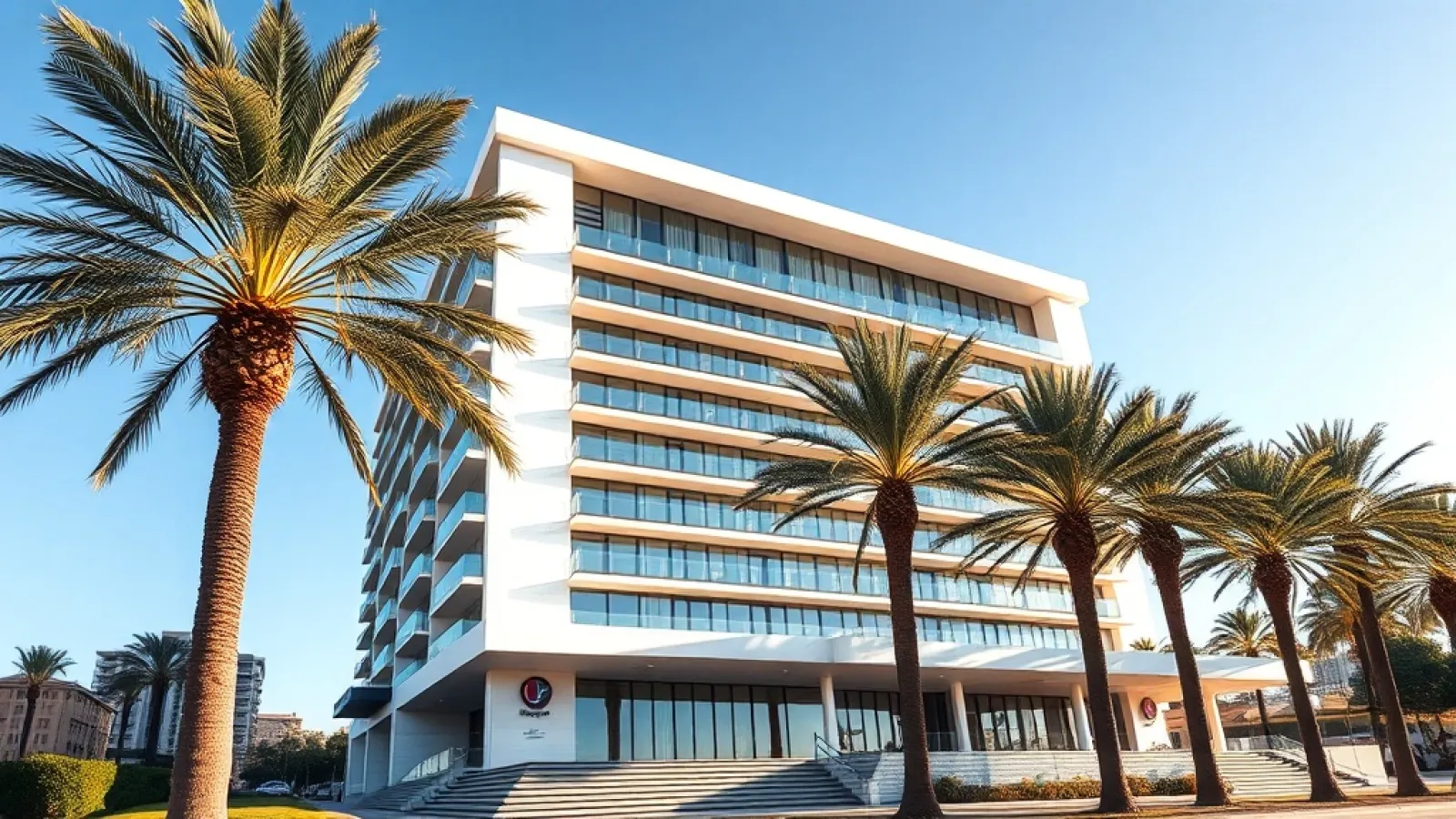
Akfen GYO’s strategy typically revolves around acquiring, developing, and holding hospitality and commercial properties that fit into Turkey’s growing tourism and urban infrastructure footprint. A representative project involves a hotel or mixed-use complex in a major city or tourism hub, combining guest rooms, conference facilities, retail areas, and parking into a single property. The company provides capital for development and maintains ownership while partnering with operators for day-to-day running. This approach allows Akfen GYO to focus on asset quality, location, and long-term returns, while hospitality operators concentrate on branding, marketing, and guest experience. Alignment of interests is formalised in lease or management agreements that define rent structures, maintenance responsibilities, and renewal terms, which can be adjusted over time to reflect market conditions, inflation indexing, and currency exposure.
Stock listing and trading context
Akfen GYO is listed on Borsa Istanbul, where it trades in local currency under ticker AKFGY. The company’s shares reflect expectations around rental income, portfolio growth, and Turkey’s broader economic trajectory. For many international investors, Turkish real estate vehicles are part of a wider allocation to emerging-market equities and infrastructure-linked securities, which can be sensitive to changes in global risk appetite. Because real estate investment companies are often valued on metrics such as net asset value, rental yield, and leverage, the stock’s performance is closely tied to updates in portfolio valuations, new project commitments, and changes in financing costs.
Why it matters
Akfen GYO’s positioning underscores the interdependence between Turkey’s tourism recovery and the performance of hospitality-focused real estate investment trusts. As tourist arrivals continue to rise, hotel occupancy and lease income for property owners are likely to improve, supporting asset valuations and rental yields. However, the company’s exposure to local currency fluctuations, inflation, and interest rates remains a key risk factor for international investors. The emphasis on long-term leases with indexation mechanisms may provide some buffer, but the broader macroeconomic environment will continue to shape the company’s financial outcomes. For travel-trade professionals, Akfen GYO’s portfolio serves as a proxy for the health of Turkey’s hospitality real estate market and the underlying tourism demand that drives it.