Bulgaria Tops Türkiye's Growth Table in First Four Months of 2026
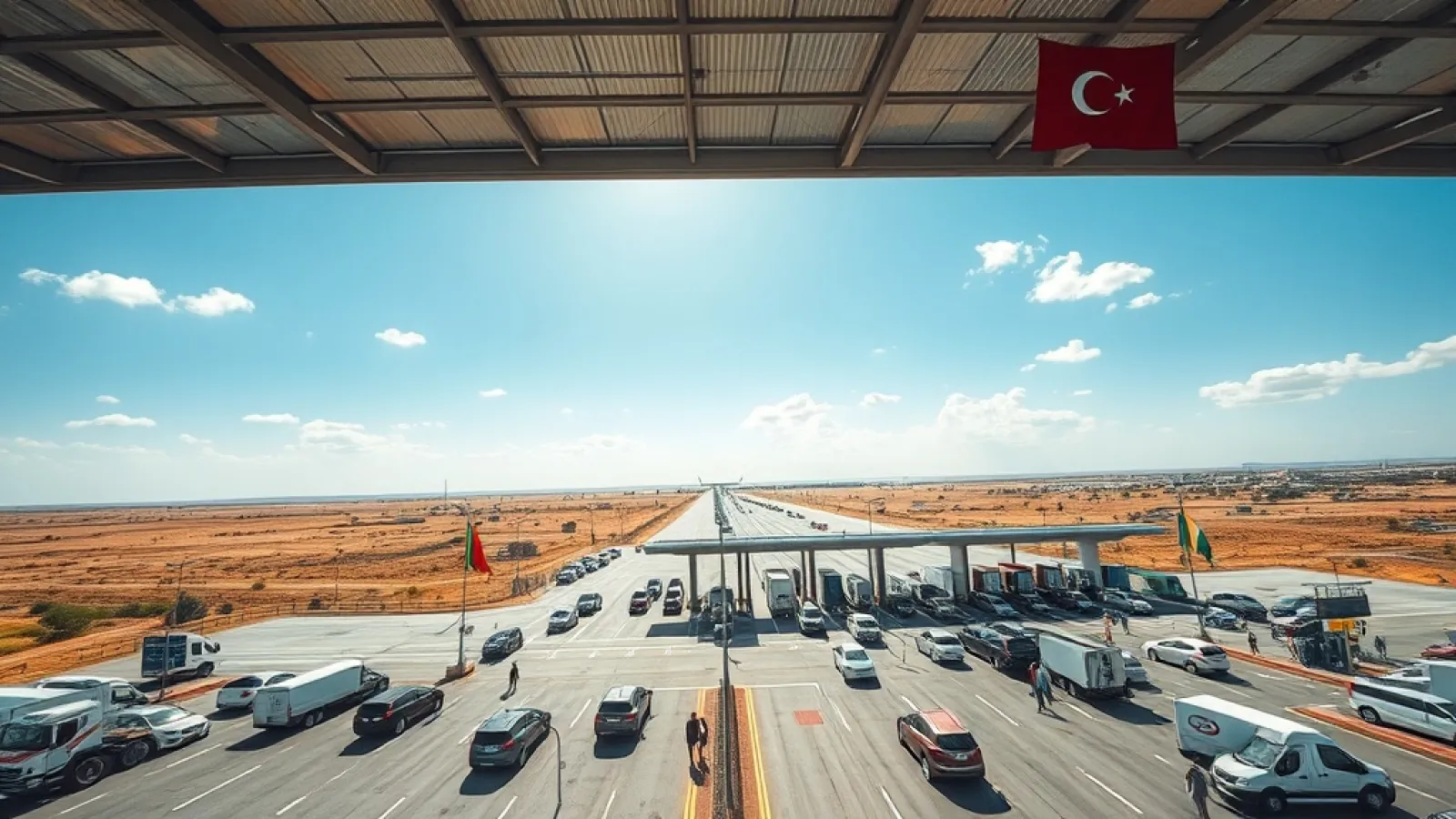
Bulgaria has overtaken Germany, Russia, the United Kingdom, France, Ireland and Georgia to become the leading contributor to Türkiye's year-on-year visitor growth in the first four months of 2026, posting a more than four percent increase in arrivals compared with the same period a year earlier.
The performance is notable given that the countries Bulgaria has surpassed have historically dominated Turkey's inbound tourism landscape, collectively sending millions of visitors annually. The shift points to a structural realignment in Türkiye's source-market mix rather than a one-off statistical anomaly.
The Numbers in Context
Türkiye's total visitor arrivals in the first quarter of 2026 reached 6.84 million, a 2.2% increase on the prior year. Against that aggregate backdrop, Bulgaria's four-plus percent growth rate stands out sharply.
Among the traditional heavyweights, Germany remained the single largest source market by volume, with nearly 678,000 visitors in the first quarter, but its growth rate has slowed. Russia followed with around 651,000 arrivals in the first four months, a figure tempered by geopolitical pressures and domestic economic headwinds. Georgia, despite its land border with Turkey, recorded roughly 539,000 visitors, while Iran contributed an average of 527,000 — though Iranian arrivals have dipped slightly amid political challenges.
The UK accounted for approximately 314,000 visitors in early 2026, France around 200,000, and Ireland roughly 100,000. Each of these markets grew, but none matched Bulgaria's pace.
Drivers of Bulgaria's Outperformance
Three factors underpin Bulgaria's rise. First, geographical proximity enables significant cross-border movement by road and rail, lowering the cost and friction of travel. Second, the expansion of direct air routes — particularly between Sofia and Turkish hubs such as Istanbul and Antalya — has made low-cost flying a practical alternative to overland travel. Third, deep cultural and historical ties create a natural affinity: Bulgarian tourists are drawn to Turkey's heritage sites, coastal resorts and cuisine.
The Turkish Ministry of Culture and Tourism's marketing campaigns, which have emphasised the country's breadth of offer from ancient ruins to mountain resorts, have reinforced these structural advantages.
Emerging Markets Adding Diversification
Beyond Bulgaria, Türkiye is seeing gradual growth from China, India and the United States, markets that remain smaller in absolute terms but are expected to expand steadily. The broadening of the source-market base reduces Türkiye's historical dependence on a handful of European and Russian feeders.
Why It Matters
For tour operators and destination management companies, Bulgaria's ascent signals a commercially underserved corridor that merits dedicated product development. The combination of short travel times, low-cost air access and strong cultural pull suggests demand is structurally supported rather than cyclical — making Bulgaria a credible target for capacity investment in ground arrangements, transfers and accommodation packages.
For hoteliers and bedbanks, the data reinforces the case for Bulgarian-language distribution and direct contracting with Bulgarian travel agencies, particularly for coastal properties in Antalya and Bodrum and city hotels in Istanbul. The UK's slower growth relative to Bulgaria also suggests that revenue managers relying heavily on British charter volumes may need to rebalance their channel mix.
At the macro level, the 2.2% aggregate growth in Q1 2026 arrivals — reaching 6.84 million — confirms that Türkiye's recovery trajectory remains intact, even as individual source markets shift in relative importance. The diversification away from Russia, which has faced geopolitical and economic constraints, and towards neighbouring markets such as Bulgaria, reduces systemic risk for the sector as a whole.