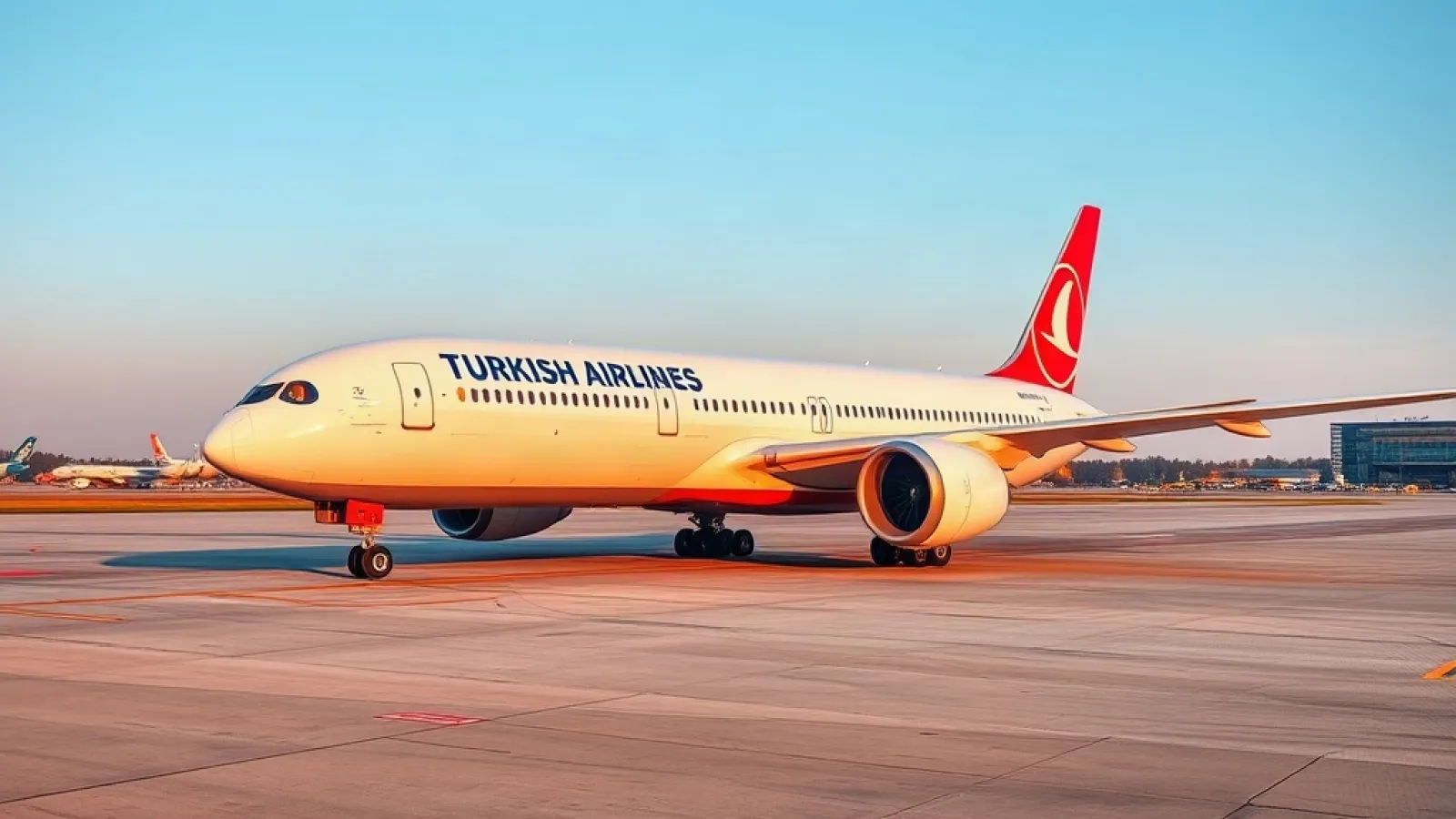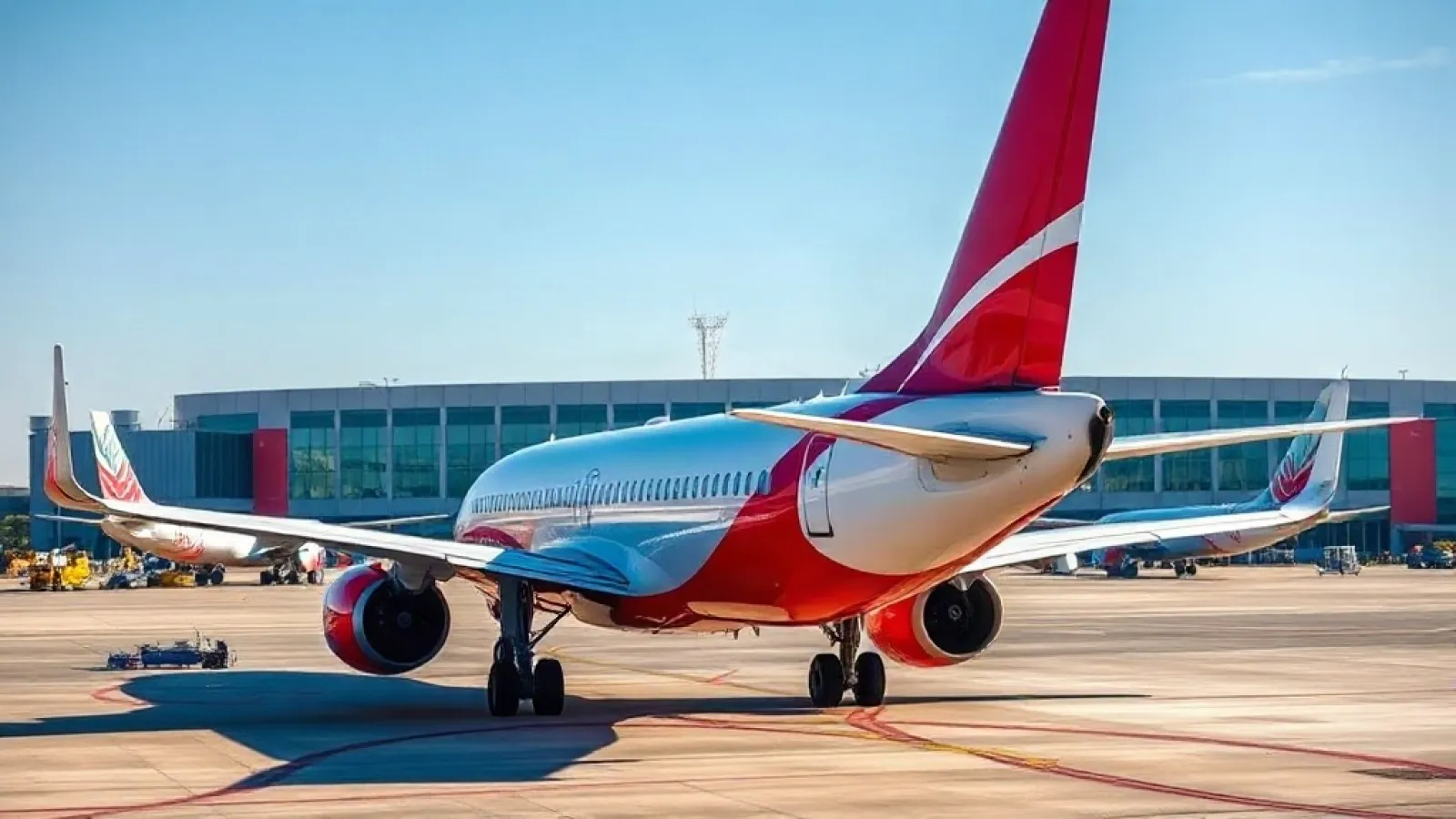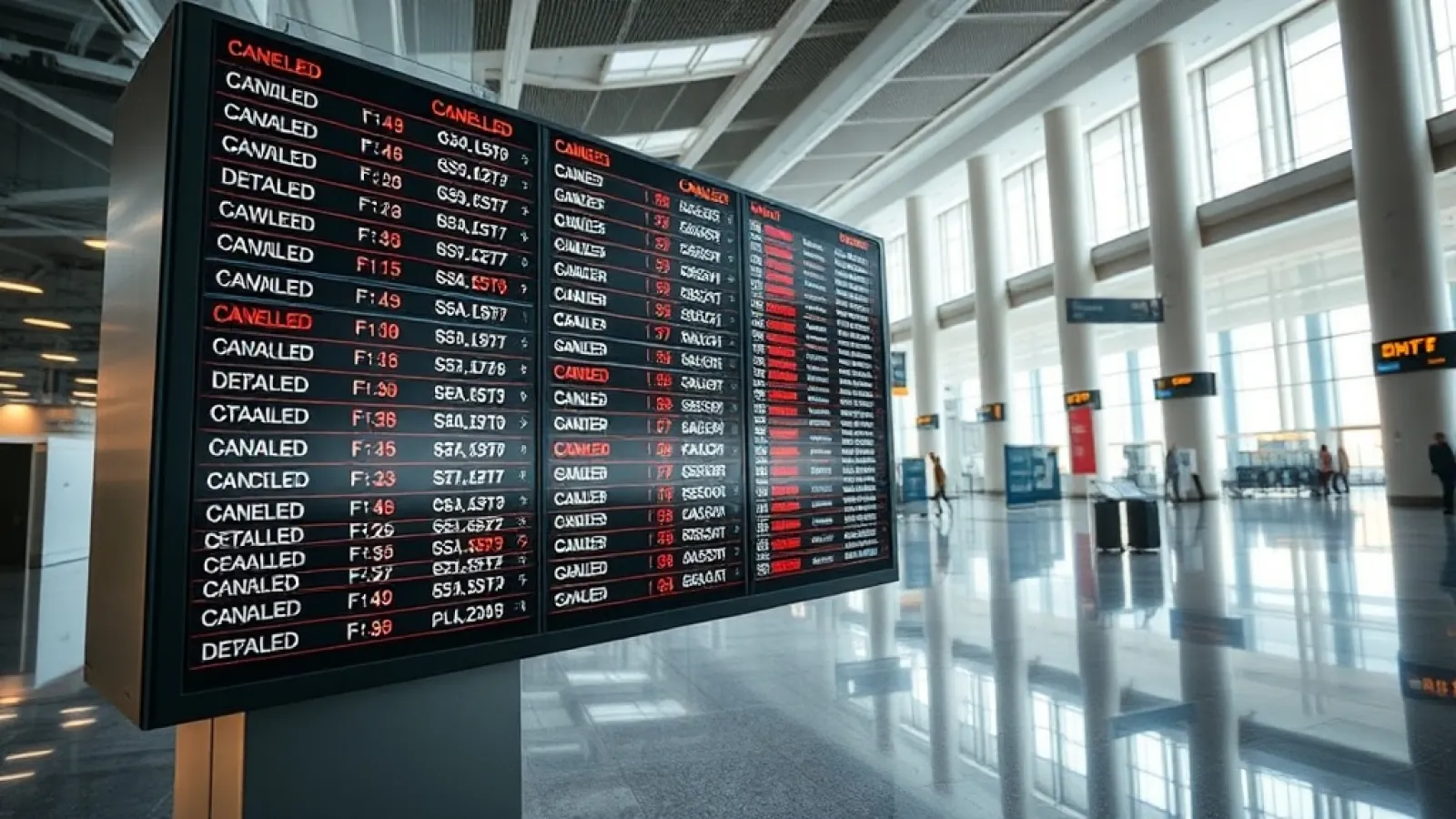
Airlines operating in the Middle East have extended suspensions of flights to and from several destinations as tensions between the United States and Iran continue to escalate, according to a report from Condé Nast Traveller Middle East. The disruptions, which began earlier this month, have led to widespread cancellations and rerouting, affecting both passenger and cargo operations.
The report indicates that carriers are taking precautionary measures to avoid airspace over conflict zones, particularly near the Strait of Hormuz and the Persian Gulf. This has resulted in longer flight times and increased operational costs for airlines, as well as significant inconvenience for travellers.
Dubai, a major global aviation hub, has been particularly affected. Emirates and flydubai, two of the region's largest carriers, have suspended services to several destinations in the Middle East and beyond. Other airlines, including Qatar Airways and Etihad, have also adjusted their schedules.
The extensions come after earlier suspensions were put in place following a series of incidents, including the downing of a US drone and attacks on oil tankers in the Gulf of Oman. The US and Iran have exchanged threats, raising fears of a broader conflict that could disrupt air travel across the region.
Travel industry stakeholders are closely monitoring the situation. Tour operators and travel agents are advising clients to check with their airlines for the latest updates and to consider flexible booking options. The disruptions are expected to continue until there is a de-escalation in tensions.
Why it matters
For the travel trade, the prolonged flight suspensions represent a significant operational challenge. The Middle East is a critical transit region for long-haul flights connecting Europe, Asia, and Africa. Extended disruptions could lead to reduced capacity, higher airfares, and shifts in travel patterns. Tour operators and DMCs reliant on Gulf hubs may need to reroute itineraries or seek alternative gateways. The situation also underscores the vulnerability of aviation to geopolitical risks, highlighting the need for robust contingency planning.