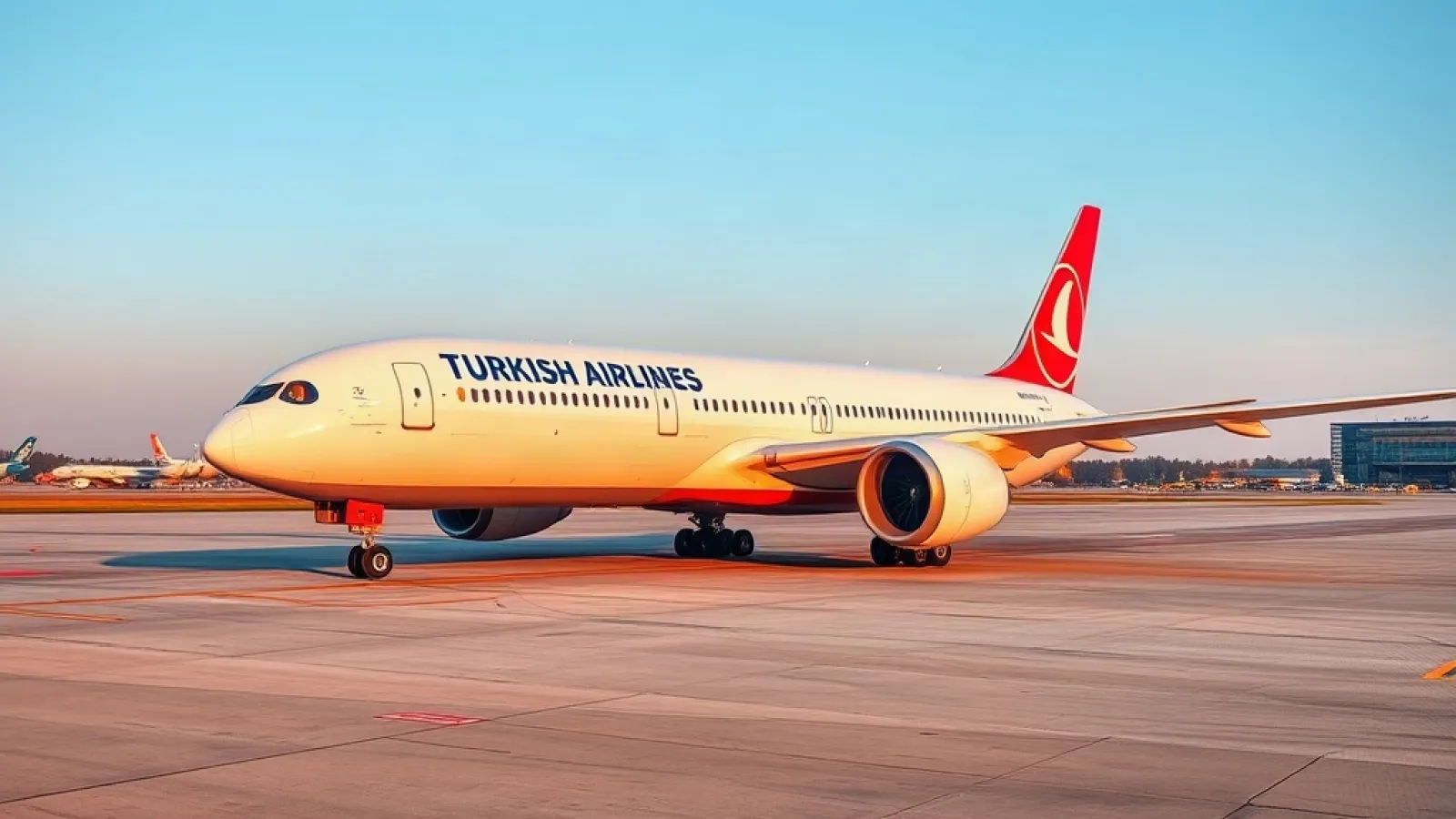
Turkish Airlines has expanded its global network to 132 countries with the addition of Phnom Penh, Cambodia, according to an announcement made on December 12, 2025. The thrice-weekly service from Istanbul to the Cambodian capital makes the carrier the only European airline flying to the city.
Flights operate on Wednesdays, Fridays and Sundays from Istanbul, with return services on Mondays, Thursdays and Saturdays. Cambodia becomes the seventh country served by Turkish Airlines in Southeast Asia, and Phnom Penh joins the network as the 11th city in the region.
“As Turkish Airlines, we continuously expand our network connecting continents and strengthen our connections with strategic destinations,” said CEO Bilal Ekşi in a statement. “Adding Cambodia as our 132nd country to our unparalleled network, and the launch of Phnom Penh flights, marks a significant step forward in this goal. Our flights to Cambodia will present new opportunities for both tourism and business.”
Ekşi added: “Additionally, as the only European carrier flying to this destination, we will further solidify our leadership in the region.”
The carrier was officially recognised by Guinness World Records in December 2024 as the airline flying to the most countries globally. With the Phnom Penh launch, it extended that record.
“This new route offers Turkish Airlines’ guests easier access to one of the key destinations in the region and showcases once more the unparalleled connectivity the Turkish flag carrier offers as the only European carrier flying to this destination,” the airline said.
Why it matters
Turkish Airlines’ continued network expansion reinforces its competitive advantage in connecting secondary and emerging markets, particularly in Southeast Asia, where demand for both tourism and business travel is growing. By being the sole European carrier on the Istanbul–Phnom Penh route, the airline captures a niche that competitors have not entered, potentially boosting its hub traffic at Istanbul Airport. The record for most countries served also strengthens its brand positioning among global travellers and trade partners, though the commercial viability of thin routes like Phnom Penh will depend on cargo and connecting traffic.