Qatar Airways has ended its operations in Bulgaria, terminating more than 15 years of direct flights between Doha and Sofia. The move, confirmed by industry representatives on July 15, 2026, removes a critical air link connecting Bulgaria with Asia, Africa, and Australia.
According to Dimitrina Goranova, Vice Chair of the Association of Bulgarian Tour Operators and Travel Agents (ABTTA), the airline has shut down its Sofia office and laid off employees. Flights had been suspended earlier this year following the outbreak of military conflict in the Middle East, with services gradually restored from April. Although the carrier's reservation system continued to show Sofia flights through the end of 2026 and into 2027, those options were later removed without explanation. The airline subsequently informed industry partners of the withdrawal.
The Sofia office declined to comment, referring inquiries to Doha headquarters.
Petar Stoyanov, Chairman of ABTTA, said the loss is already impacting the tourism market. "The lack of direct flights by Qatar Airways to Sofia is already having a serious impact on the tourism market, and Bulgaria urgently needs to work to attract new airlines that will provide better connectivity with Asia, Africa and Australia," he warned.
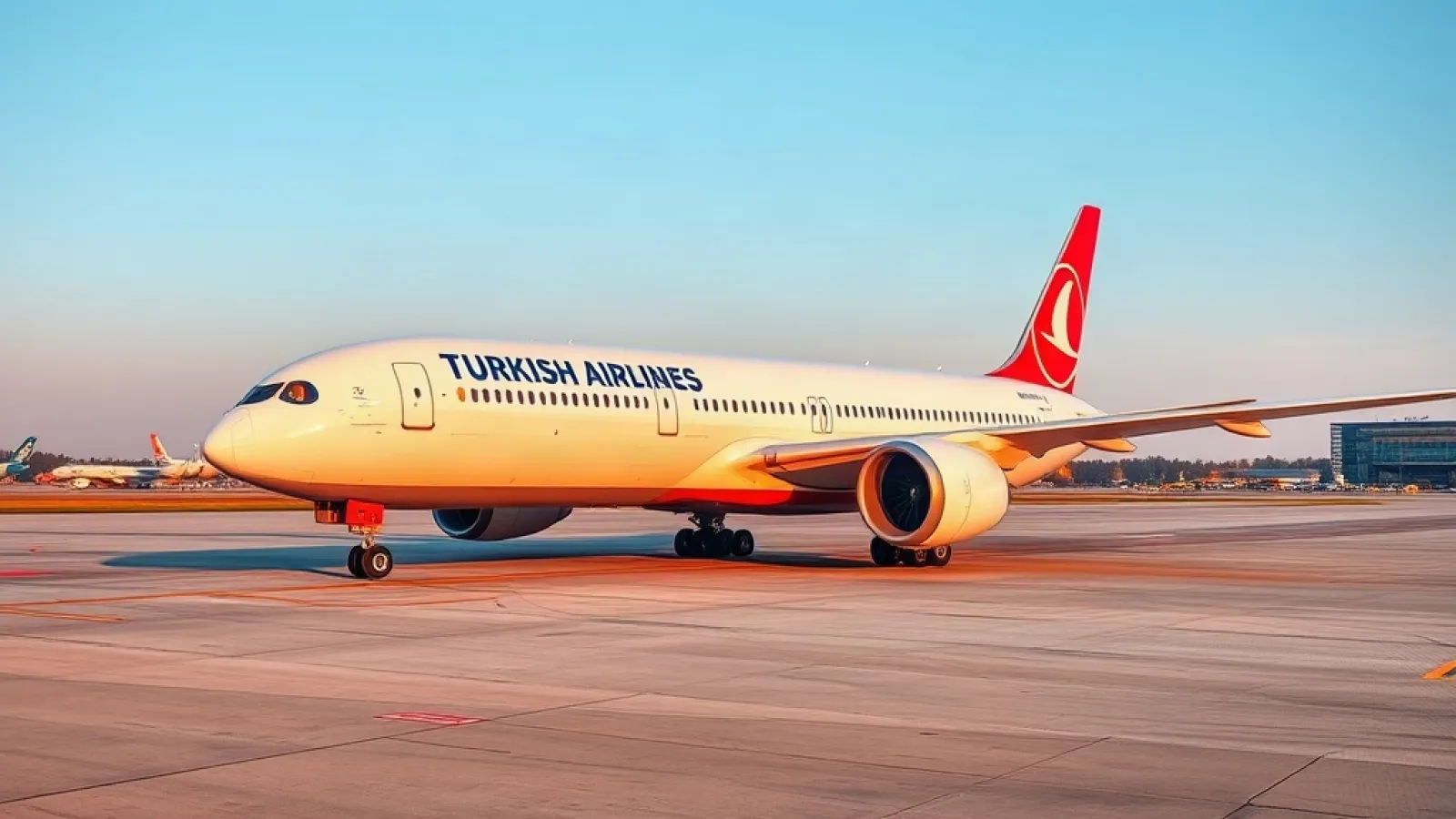
With Qatar Airways gone, Turkish Airlines becomes the primary gateway via Istanbul, while Flydubai offers an alternative through Dubai, though demand has weakened due to ongoing Middle East uncertainty. Stoyanov noted that reduced competition has pushed ticket prices higher, driven by limited alternatives and increased fuel costs. Connections through Central and Western European hubs remain possible but require longer travel times.
ABTTA believes Bulgaria should prioritise attracting Etihad Airways, which already serves nearby capitals including Belgrade, Zagreb, Athens, Istanbul, and soon Bucharest. "Such routes happen at a political level. The state needs to be active if Bulgaria wants to become part of the Etihad network," Stoyanov said. The association also noted that national airlines from China and Vietnam have previously expressed interest in launching flights to Bulgaria, though such projects require stronger political cooperation.
ABTTA plans to send formal letters to Bulgaria's Transport and Tourism Ministries urging negotiations with potential carriers. Malaysia Airlines and Singapore Airlines have also been identified as possible partners.
Goranova stressed that reliable international air links are essential for both tourism and business travel. "For a destination like Bulgaria, it is extremely important to have good connectivity. The lack of sufficient air connections hinders both inbound and outbound tourism, but also business travel," she said, adding that tour operators are already facing growing difficulties organising group trips to Asia, Africa, and Australia due to limited convenient connections.
The airline's withdrawal contrasts with recent diplomatic efforts. Tourism Minister Ilin Dimitrov recently met with Qatari Ambassador Fahad Al-Mushiri to discuss expanding tourism cooperation, including business-to-business meetings, participation in exhibitions, and promotional visits. Ambassador Al-Mushiri described Bulgaria as an attractive destination while emphasising the need for more tourism information in Arabic. However, the discussions made no reference to Qatar Airways' decision.
Why it matters
The loss of Qatar Airways leaves Bulgaria with a significant gap in long-haul connectivity, particularly to high-growth source markets in Asia and the Middle East. With Turkish Airlines now the dominant gateway via Istanbul, Bulgarian tourism operators face reduced competition and higher airfares, potentially dampening inbound demand from key regions. The industry's call for state-led negotiations with carriers like Etihad, Malaysia Airlines, and Singapore Airlines underscores the strategic importance of government engagement in aviation policy. Without swift action, Bulgaria risks losing competitiveness as a destination for long-haul travellers, while outbound travel to Asia and Australia becomes more expensive and time-consuming.