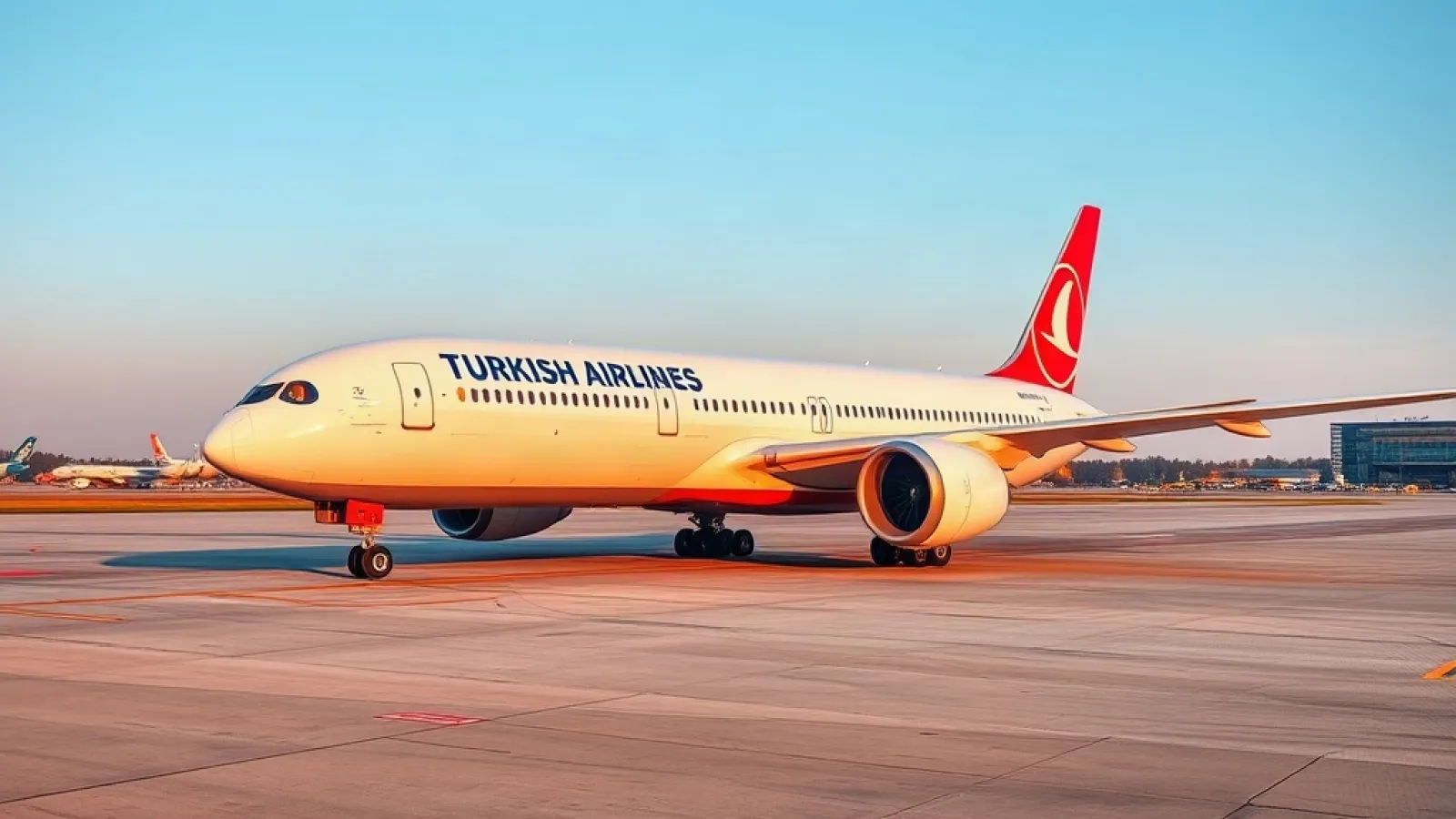
Gulf airlines are largely operating as normal despite the recent escalation in fighting between the US and Iran, which has included US air strikes on Iran and Iranian missile and drone attacks across the region. According to industry experts, the limited disruption is due to attacks being focused primarily on military rather than civilian targets.
On Sunday night, the US launched a wave of heavy air strikes on Iran. In response, Iran launched missiles and drones towards countries across the region. The UAE issued a missile alert to residents on Sunday morning, but authorities said missile and drone threats were intercepted before entering its airspace. Airports in the Emirates and around the region continue to operate, and air-defence interceptions have not taken place inside areas flown by commercial aircraft, according to the National Emergency Crisis and Disaster Management Authority.
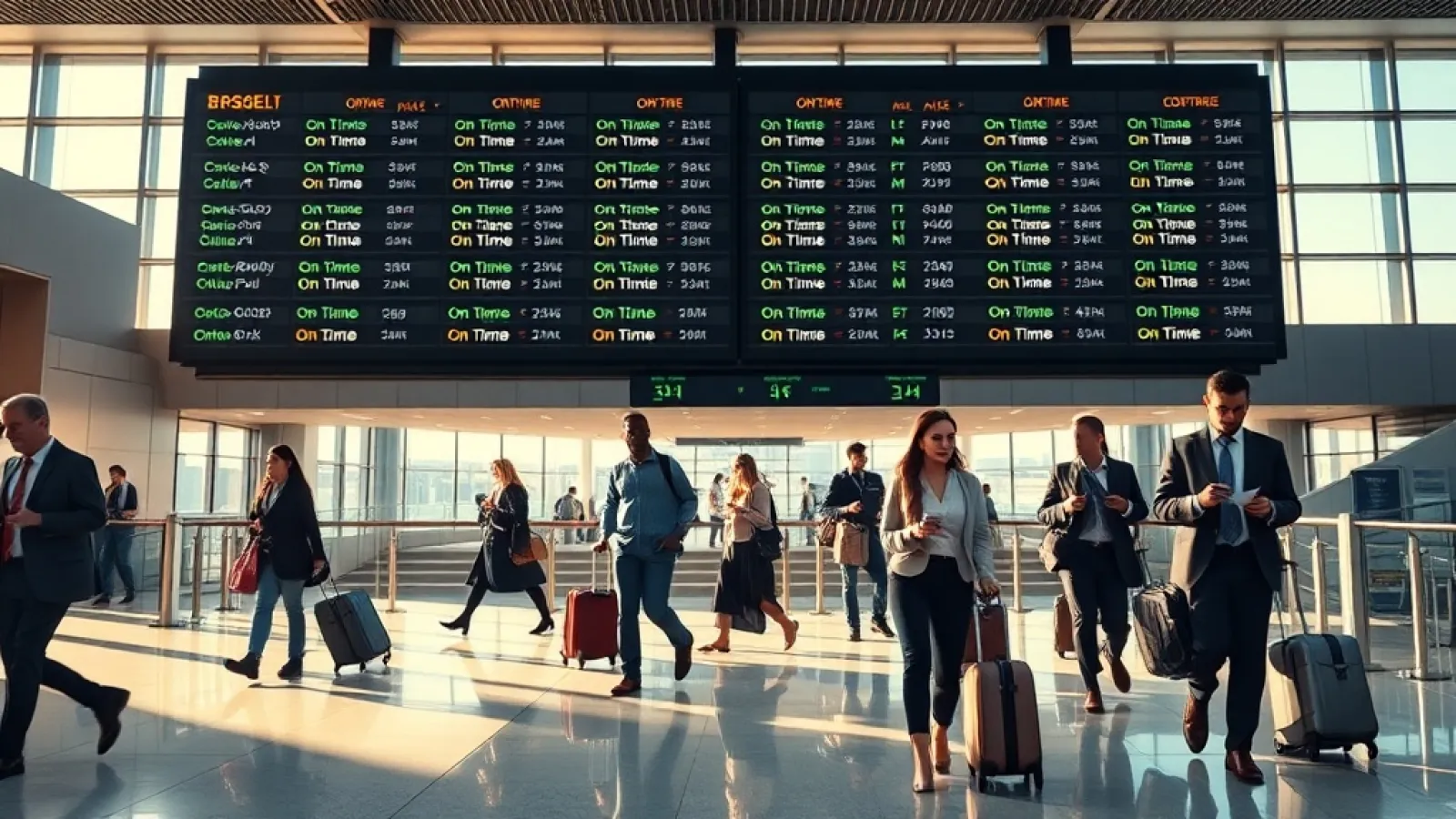
In Dubai, two flights to Saudi Arabia were cancelled on Tuesday after Yemen’s Houthis targeted Abha International Airport with missiles. The return flights to Dubai and Sharjah were also cancelled. However, Dubai International Airport’s live flight updates on Monday showed the overwhelming majority of flights were leaving on time and incoming flights arriving as normal. According to FlightAware, 1% of services from the airport were cancelled and 12% delayed, a figure not unlike major airports elsewhere.
“The key thing is security briefings [from the authorities],” said John Strickland, a former airline executive now running JLS Consulting. “Airlines will not operate if they don’t get assurances from the relevant authorities that it’s safe to operate.”
Air Astana, based in Kazakhstan, cancelled its flights from Dubai to Almaty on Monday and Tuesday, and from Astana to Dubai on Tuesday. The airline cited the ongoing escalation and is offering passengers a full refund or free rebooking until July 18.
David Bentley, chief airports analyst for Capa - Centre for Aviation, noted that the current attacks appear focused on military targets, unlike earlier in the conflict when commercial sites were also targeted. “They [airlines] are hoping it will blow over pretty soon. First time round they were taken unawares. They didn’t know where it was going,” he said. He added that many airlines had not yet resumed operations to the Gulf since suspending them earlier, so there is “nothing to cancel” for those carriers.
Numerous airlines based outside the region have yet to resume services to the UAE and other Gulf nations, suspended when the conflict broke out more than four months ago. KLM has cancelled flights to Dubai, Riyadh and Dammam until August 23. British Airways will not resume services to Dubai until October 25. “Airlines like BA have taken the decision to stay out of the region for now,” Strickland said. “Dubai is somewhere BA would like to be. It’s a buoyant market. Currently displaced capacity has been redeployed to put on additional flights to India and the US. They won’t be able to undo that now.”
Strickland noted it had recently become easier for travellers to get insurance for visits to or transits through the Gulf, after governments such as the UK and Australia ended their advice against travelling to the region. Emirates airline also launched its own travel insurance. “There have been positive steps to ensure they can keep operating and give customer confidence,” he said.
Why it matters
For the travel trade, the ability of Gulf carriers to maintain near-normal operations during a significant military escalation is a critical indicator of regional stability. The contrast with the early phase of the conflict, when widespread cancellations occurred, suggests that airlines and authorities have adapted risk-assessment protocols. However, the continued absence of major international carriers like British Airways and KLM highlights a lingering perception of risk that could constrain capacity and pricing during the peak summer season. The redeployment of aircraft to other markets, such as India and the US, may also shift competitive dynamics in those regions. The resumption of travel insurance availability and government advisory changes are positive signals for tour operators and bedbanks, but the situation remains fluid and subject to constant review.