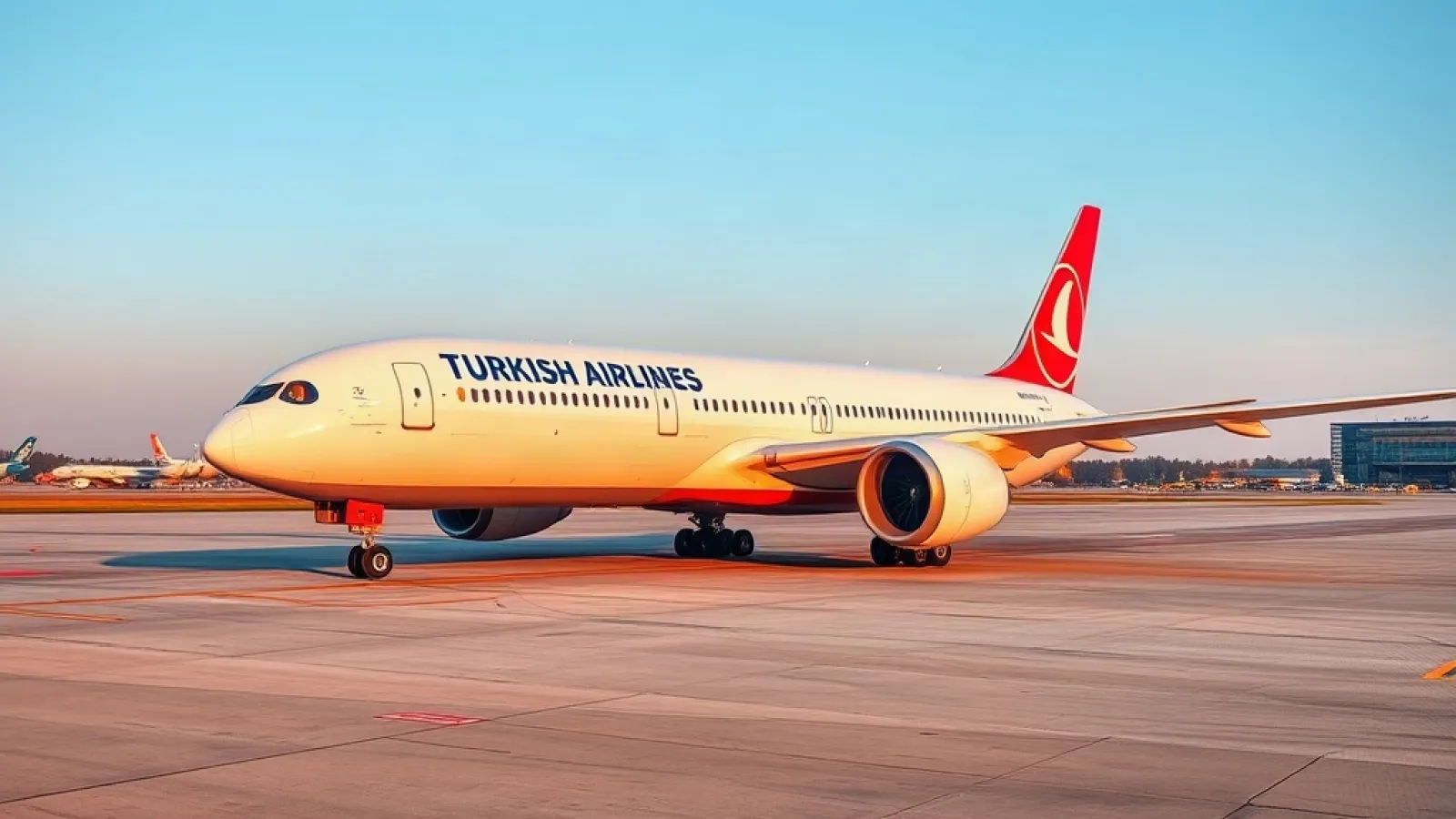
BOC Aviation has expanded its partnership with Turkish carrier AJet through a new lease agreement covering five factory-new Airbus A321neo aircraft, marking another step in the airline’s fleet development strategy. The aircraft are scheduled for delivery in 2028 and will be powered by Pratt & Whitney GTF engines, supporting AJet’s plans to operate a more modern and fuel-efficient narrow-body fleet.
The agreement reflects a wider aviation industry trend, where airlines increasingly rely on aircraft leasing companies to secure capacity while maintaining financial flexibility. The Airbus A321neo has become one of the most important aircraft models for global carriers because it combines higher seating capacity, improved fuel performance and operational versatility.
For AJet, the incoming aircraft are expected to strengthen its medium-haul operations, enhance network expansion opportunities and replace older-generation capacity. For BOC Aviation, the deal further reinforces its position as a major global aircraft lessor serving airlines across key aviation markets.
The aircraft will be delivered directly from Airbus production lines and are expected to enter AJet’s fleet from 2028. The agreement allows AJet to secure advanced aircraft without making a direct purchase investment, providing greater flexibility in managing its long-term fleet requirements.
Aircraft leasing has become an important strategy for airlines worldwide because it enables carriers to increase capacity, respond to passenger demand and maintain stronger financial control. BOC Aviation, recognised as one of the world’s leading aircraft leasing companies, manages a large portfolio of commercial aircraft placed with airlines across Europe, Asia and the Middle East.
AJet’s decision to add Airbus A321neo aircraft reflects its focus on modernising operations and improving efficiency. The airline continues to develop its domestic and international network, and the additional aircraft are expected to provide support for future growth plans.
The new lease agreement also highlights the growing importance of narrow-body aircraft in global aviation recovery. Airlines are increasingly selecting aircraft like the A321neo because they offer a balance between capacity, range and lower operating expenses.
The Airbus A321neo has become one of the most popular aircraft choices among airlines seeking improved performance and reduced environmental impact. As part of the A320neo family, the aircraft offers advanced technology designed to lower fuel consumption and reduce emissions compared with previous-generation models.
For AJet, the introduction of five Airbus A321neo aircraft will provide additional seating capacity while maintaining compatibility with existing airport infrastructure. The aircraft can operate from airports already designed for narrow-body aircraft, allowing airlines to expand networks without requiring major changes to airport facilities.
The A321neo is particularly valuable for medium-haul operations because of its extended range and larger passenger capacity compared with smaller narrow-body aircraft. Airlines can use the aircraft for busy regional routes, international services and markets where demand does not require wide-body aircraft.
The aircraft’s efficiency benefits are also important as airlines continue focusing on reducing operating costs. Lower fuel consumption can help carriers manage expenses while supporting broader sustainability targets within the aviation sector.
The five Airbus A321neo aircraft secured by AJet through the BOC Aviation agreement will be powered by Pratt & Whitney GTF engines, one of the advanced propulsion options available for the A321neo family. The Pratt & Whitney geared turbofan engine was developed to improve fuel efficiency and reduce emissions compared with earlier engine generations.
Its design separates the fan speed from the turbine speed through a gearbox system, allowing each component to operate more efficiently. Airlines worldwide have adopted GTF-powered aircraft because of their potential fuel savings and environmental advantages. However, the engine programme has also experienced industry attention due to maintenance requirements and durability concerns affecting some aircraft operators.
For airlines operating GTF-powered aircraft, effective maintenance planning and fleet management remain essential. Carriers must balance the benefits of improved efficiency with the need to manage technical support requirements. For AJet, selecting aircraft equipped with Pratt & Whitney GTF engines represents a long-term fleet decision.
The agreement between BOC Aviation and AJet demonstrates how aircraft leasing continues to play a central role in airline growth strategies. Instead of purchasing aircraft outright, many airlines choose leasing arrangements to reduce upfront costs and maintain greater financial flexibility.
Aircraft leasing allows carriers to adjust fleet sizes according to market conditions. During periods of increasing travel demand, airlines can add aircraft more quickly, while leasing structures can also provide options for managing capacity changes.
Global aviation has increasingly depended on leasing companies to support fleet renewal programmes. Lessors provide airlines with access to the latest aircraft models while allowing manufacturers to maintain steady production demand.
BOC Aviation has built a strong position in this market by working with airlines across multiple regions. Its portfolio includes modern aircraft types that support airline expansion, fleet replacement and operational efficiency.
For AJet, the lease agreement provides a pathway to introduce newer aircraft without the financial commitment associated with direct ownership. This approach allows the airline to focus resources on network development, passenger services and operational improvements.
Why it matters
This deal underscores the growing reliance on aircraft leasing as a flexible financing tool for fleet modernisation, particularly for carriers like AJet seeking to expand without large capital outlays. The choice of the A321neo, with its fuel efficiency and range, positions AJet to compete more effectively on medium-haul routes. However, the selection of Pratt & Whitney GTF engines introduces operational considerations, as the engine type has faced maintenance scrutiny across the industry. The 2028 delivery timeline suggests a medium-term strategy, aligning with expected demand recovery and fleet replacement cycles.