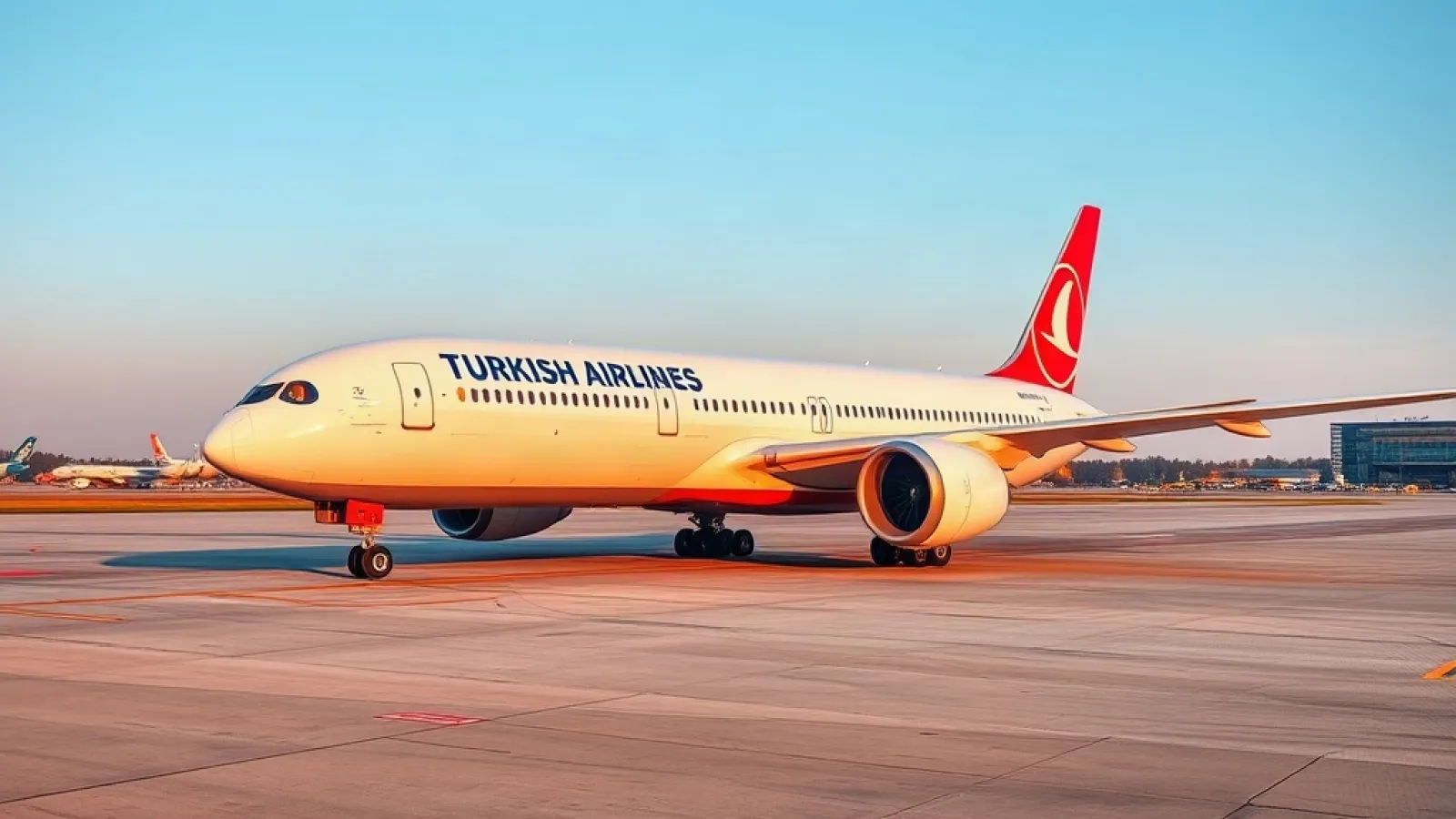
Türkiye's travel sector is riding a wave of record tourism income, propelled by Turkish Airlines' aggressive expansion into the Asia-Pacific region. The carrier's route growth is positioning Istanbul as a pivotal hub linking booming Asian demand with Europe and beyond, according to a report from The Traveler.
The report highlights that Turkish Airlines' Asia-Pacific push is a key driver of the country's travel boom. By adding new destinations and increasing frequencies across the region, the airline is funneling a growing number of passengers through Istanbul Airport, which serves as a natural bridge between East and West. This strategy capitalizes on the rapid growth of outbound travel from Asia-Pacific markets, particularly China, India, and Southeast Asia, while also catering to European travelers seeking connections to the region.
Türkiye's tourism income has reached record levels, buoyed by this increased air connectivity. The influx of visitors from Asia-Pacific is diversifying the country's traditional source markets, reducing reliance on Western Europe. This shift is reshaping the profile of tourists, with longer-stay, higher-spending travelers from Asia contributing significantly to the economy.
The report also notes that Istanbul's geographic position is central to this strategy. As a super-connector, the city offers convenient one-stop connections between dozens of Asian cities and major European destinations, a competitive advantage over rival hubs in the Gulf and elsewhere. Turkish Airlines' network planning has deliberately leveraged this advantage, adding capacity where demand is strongest.
For the travel trade, the implications are clear: Türkiye is no longer just a sun-and-sea destination but a critical transit point in global air travel. Tour operators and bedbanks are adapting by packaging stopover deals and multi-destination itineraries that exploit Istanbul's connectivity. The trend is expected to continue as Turkish Airlines expands its Asia-Pacific footprint, further entrenching Türkiye's role in global tourism flows.
Why it matters
The Asia-Pacific push by Turkish Airlines is not merely a route expansion; it is a structural shift in global tourism distribution. For tour operators and DMCs, this means new opportunities to sell Türkiye as a destination to Asian clientele, who are increasingly seeking cultural and historical experiences beyond traditional beach holidays. The record tourism income underscores the economic impact, but the real significance lies in the diversification of source markets, which reduces vulnerability to regional downturns.
For airlines and airports, Istanbul's emergence as a super-connector intensifies competition with established hubs like Dubai and Doha. The ability to offer competitive fares and convenient connections will be crucial in capturing the growing Asia-Pacific traffic. For hotel investors, the changing visitor mix may warrant adjustments in product offerings, such as halal-friendly amenities, language services, and cuisine, to cater to Asian preferences.
Finally, the trend signals a long-term opportunity for Türkiye's tourism infrastructure to evolve beyond seasonal coastal tourism into a year-round, transit-driven model. Stakeholders who align their strategies with this shift stand to benefit from the sustained growth in Asia-Pacific travel demand.