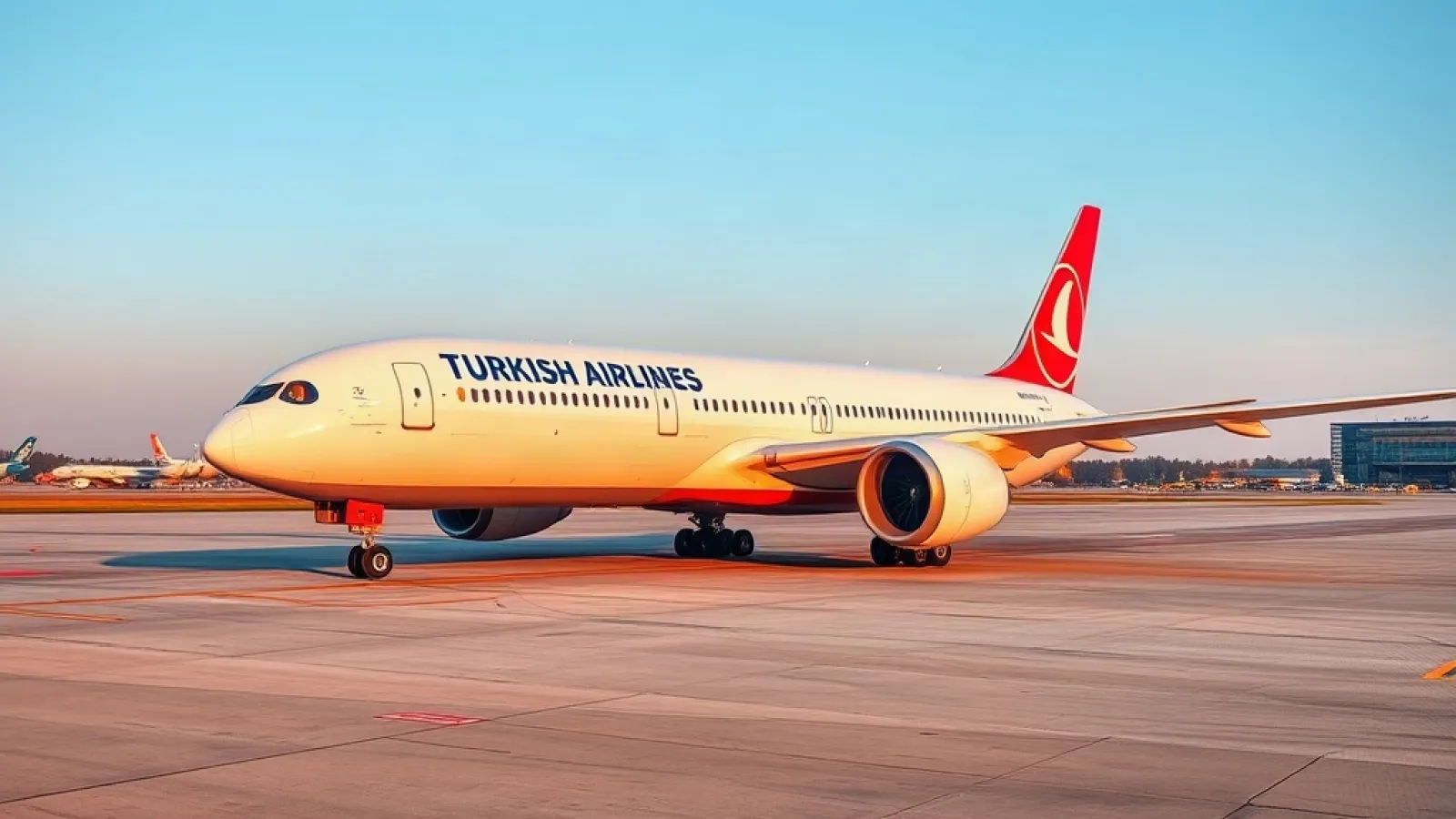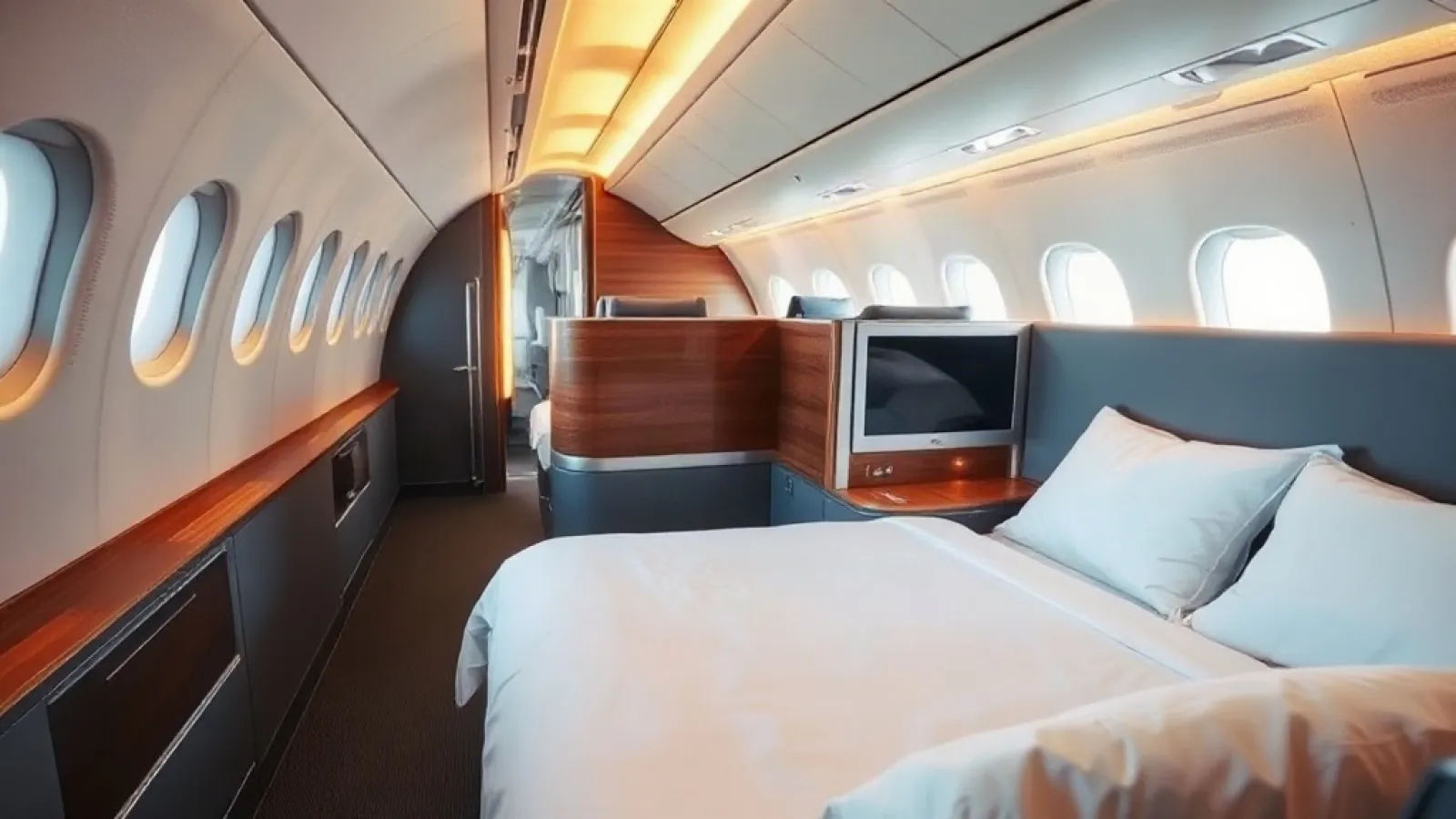
Turkish Airlines is preparing to deploy a custom-designed business class suite developed entirely in-house, a strategic move that positions the carrier against the Gulf's 'Big Three'—Emirates, Etihad Airways, and Qatar Airways—in the race for premium cabin leadership.
The Istanbul-based airline, already among the world's largest by passenger volume, is shifting away from third-party cabin manufacturers to take direct control of its in-flight product development. The approach mirrors a broader industry trend, with carriers such as Singapore Airlines, Cathay Pacific, ANA, and Japan Airlines investing heavily in proprietary cabin design and engineering to differentiate themselves in a crowded premium travel market.
Turkish Airlines' geographic positioning provides a distinct advantage. Unlike Gulf carriers operating from the Arabian Peninsula, Istanbul sits at the crossroads of Europe and Asia, enabling the airline to operate high-frequency narrowbody services to European destinations while maintaining a critical connectivity hub for long-haul routes across Asia, Africa, and the Americas. This superconnector model, similar to that of its Gulf rivals, allows the carrier to capture connecting passengers at competitive fares while developing premium products that rival the industry's most prestigious carriers.
By developing its business class suite in-house, Turkish Airlines aims to reduce dependency on external suppliers and accelerate the timeline for rolling out innovations across its widebody fleet. The airline has not announced a specific deployment date, but the in-house approach typically speeds up implementation compared to partnerships with external manufacturers.
The premium cabin segment remains a critical profit driver for international carriers. Business class revenue typically generates four to six times the per-seat yield of economy class, making premium product investment essential for long-haul profitability. As jet fuel prices stabilize and global air travel demand rebounds, competition for high-value corporate and leisure travelers has intensified, compelling carriers to continuously upgrade their offerings.
Turkish Airlines' investment in proprietary cabin innovation underscores its ambition to expand beyond connecting traffic and establish itself as a standalone competitor for origin-destination business on long-haul routes. The move signals a shift in the competitive dynamics of premium aircraft interiors, where carriers increasingly view in-house development as a strategic asset rather than a procurement decision.
Why it matters
For the travel trade, Turkish Airlines' decision to develop its own business class suite carries several implications. First, it intensifies competition in the premium cabin segment, where Gulf carriers have long dominated with bespoke products. A homegrown suite could give Turkish Airlines greater flexibility in customization and faster iteration cycles, potentially raising the bar for competitor offerings.
Second, the move may pressure traditional cabin manufacturers, as more carriers follow the in-house route to differentiate themselves. This could reshape supply chain dynamics in the aviation interiors market, with implications for maintenance, repair, and overhaul (MRO) providers and aftermarket suppliers.
Third, for tour operators and corporate travel buyers, an upgraded business class product on Turkish Airlines could make the carrier a more attractive option on long-haul routes, particularly those connecting Europe with Asia and Africa via Istanbul. The airline's hub advantage, combined with a competitive premium product, may shift booking patterns and influence route planning for travel management companies.
Finally, the lack of a confirmed deployment date means the timeline for these benefits remains uncertain. However, the strategic direction is clear: Turkish Airlines is betting on in-house innovation to secure its position in the premium market, a development that travel industry stakeholders should monitor closely.