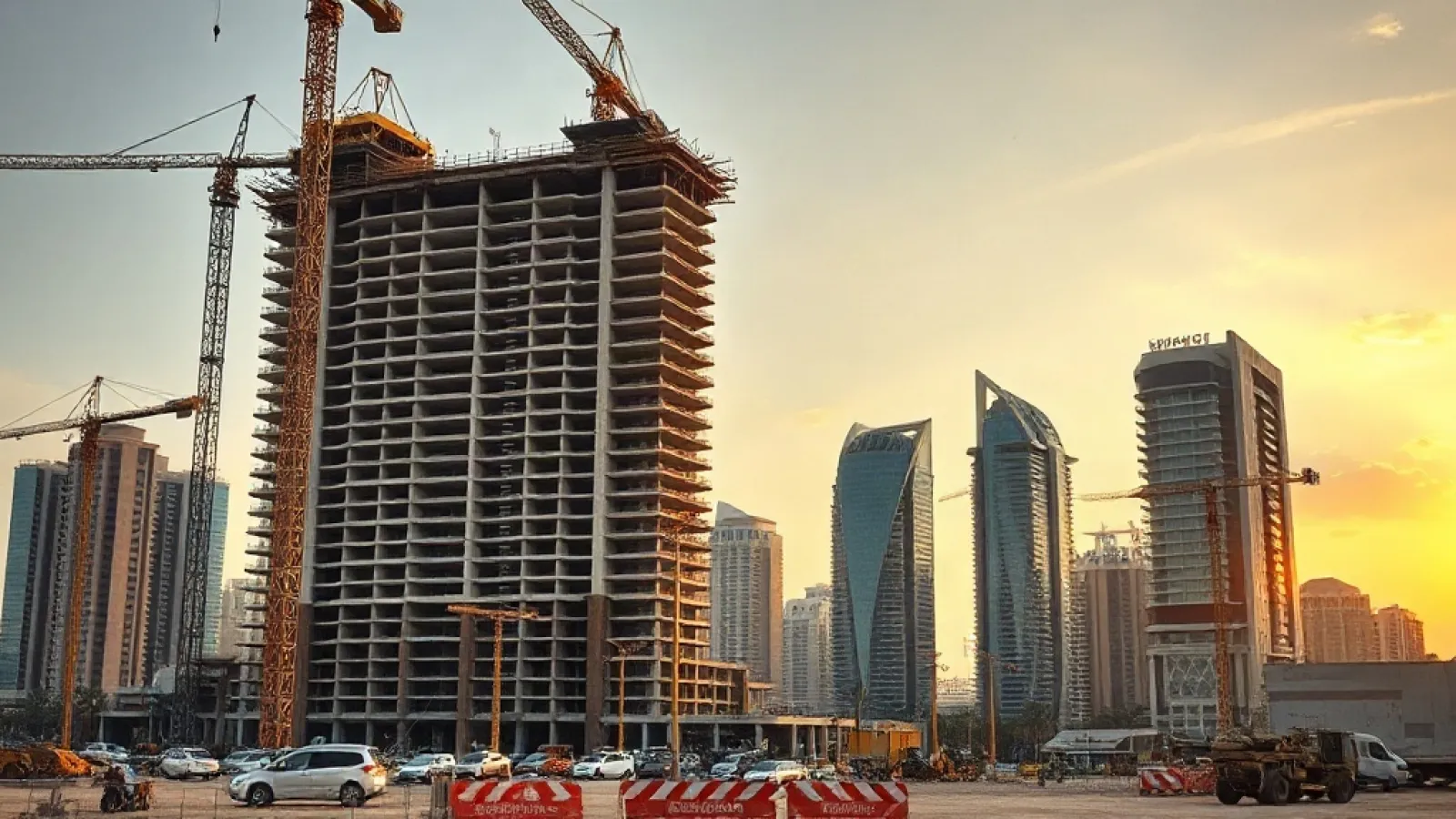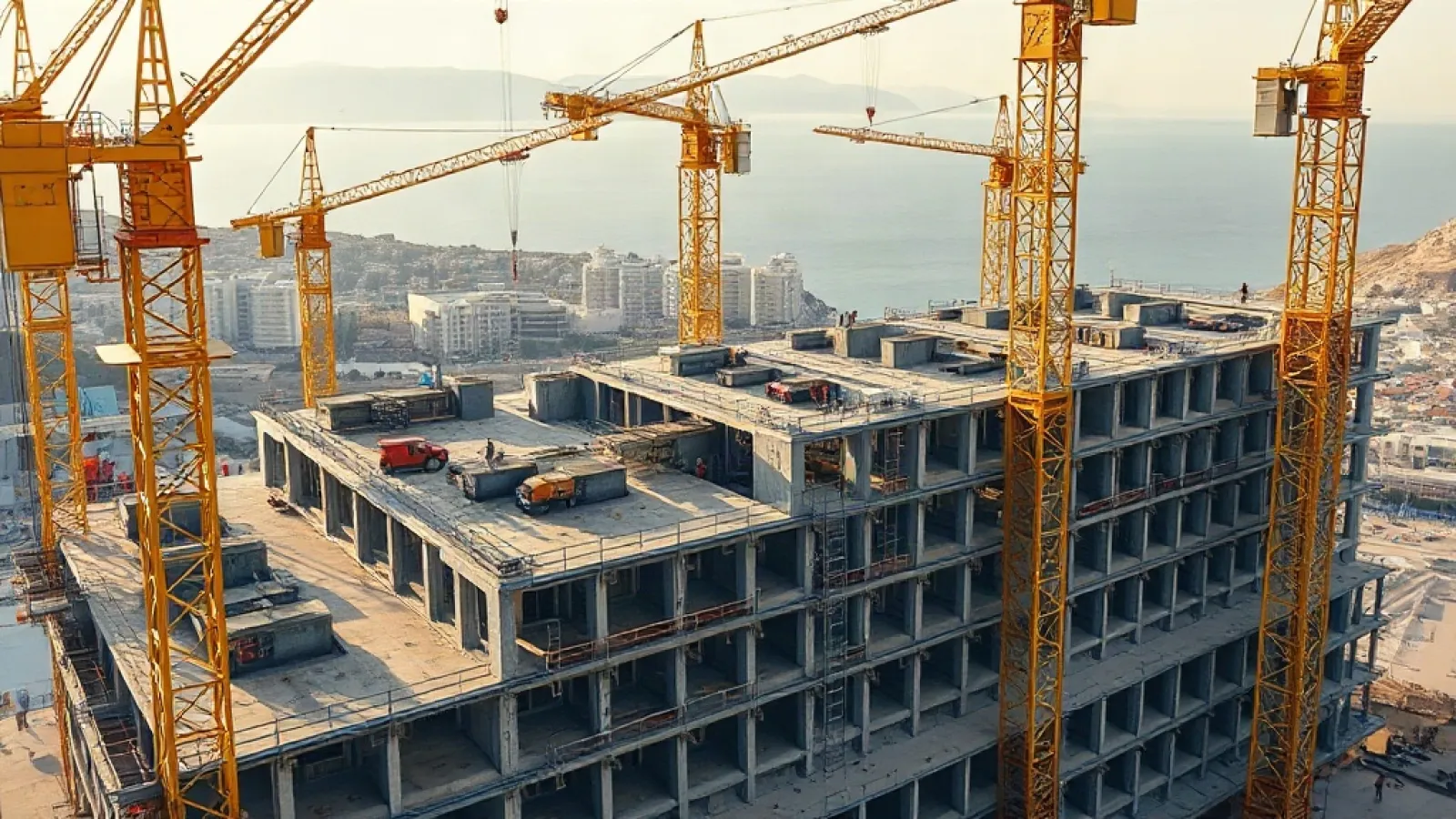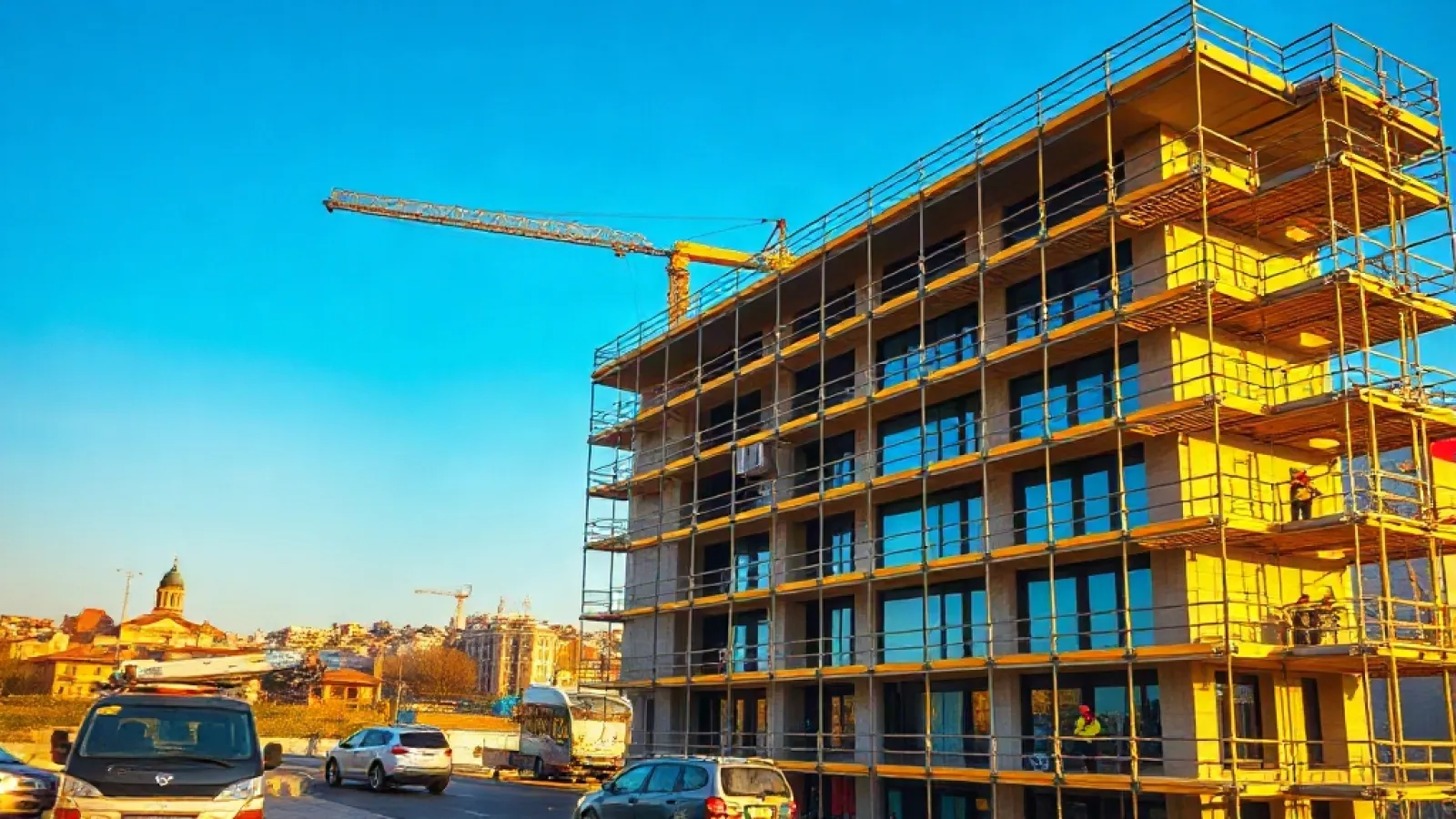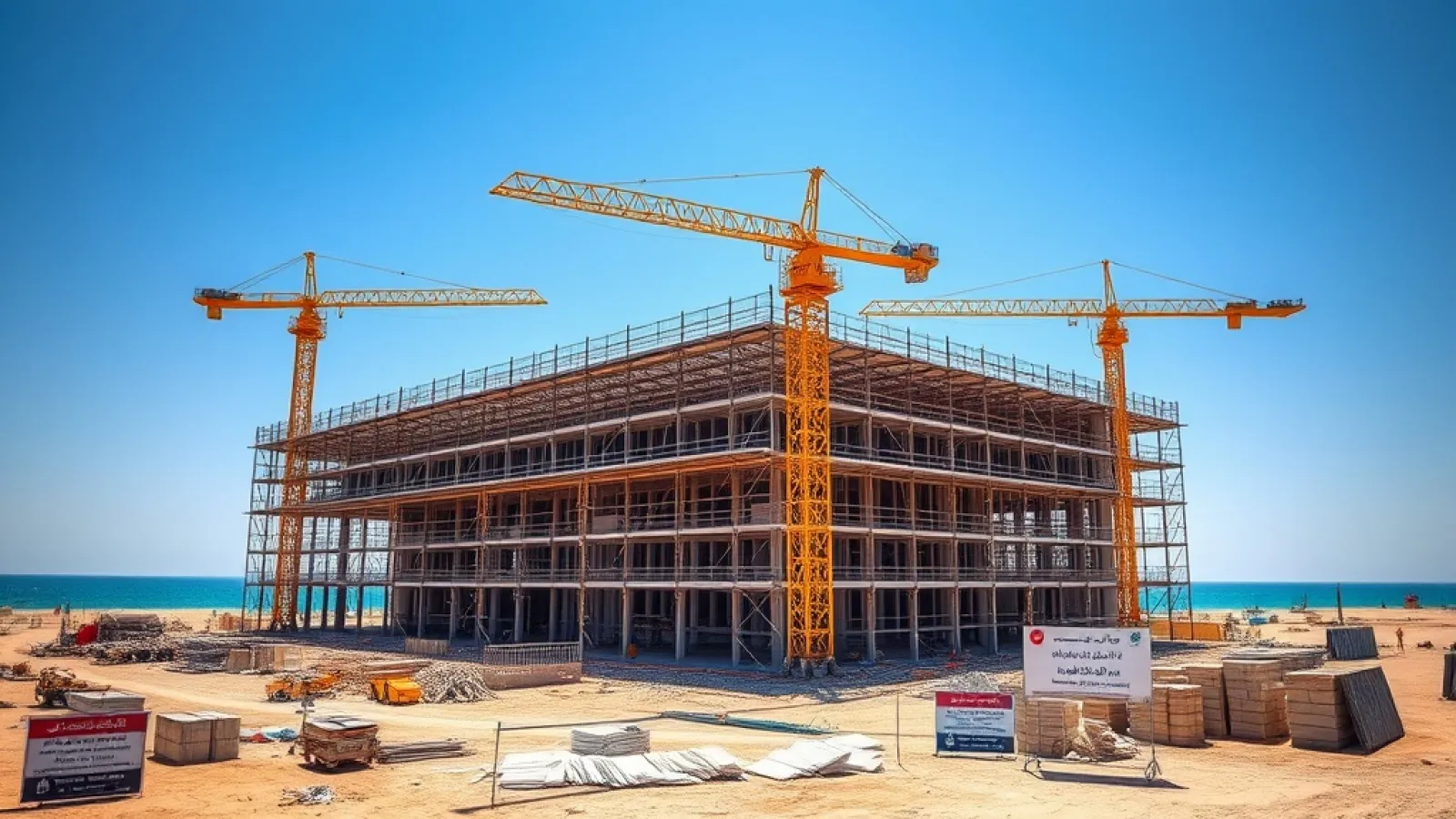
Egypt’s Ministry of Tourism and Antiquities has received 244 requests to support the expansion of hotel capacity, backed by investments estimated at EGP 16 billion ($324.9 million), Tourism Minister Sherif Fathi announced.
During a meeting with the Tourism and Civil Aviation Committee of the House of Representatives, Fathi said the proposed projects would add about 160,000 new hotel rooms. The initiative is part of the government’s broader push to channel financing into tourism infrastructure and achieve record growth rates.
Fathi outlined the ministry’s action plan to strengthen Egypt’s position on the global tourism map. Key elements include promotional policies for tourism revitalisation, participation in international tourism fairs, and staging temporary archaeological exhibitions abroad to showcase Egypt’s cultural heritage.
The strategy also involves exploring the concept of an ‘Investment Opportunities Bank’ to regularly discuss available investment opportunities and streamline licensing procedures. Additionally, a ‘one-stop shop’ system is being implemented to integrate services into a single digital platform, reducing operational bottlenecks and improving user convenience.
In 2025, Egypt welcomed 19 million tourists, a 21% increase compared to 2024, underscoring the sector’s strong recovery momentum.
Why it matters
The 244 expansion requests signal sustained investor confidence in Egypt’s tourism sector, which has rebounded sharply post-pandemic. Adding 160,000 rooms would significantly boost the country’s accommodation capacity, potentially easing supply constraints during peak seasons and supporting the government’s target of attracting ever-higher visitor numbers. The proposed digital reforms—particularly the investment opportunities bank and one-stop shop—could reduce bureaucratic friction, a long-standing complaint among hospitality investors. For tour operators and DMCs, expanded room inventory may offer more competitive pricing and greater availability in key destinations such as Cairo, Sharm El Sheikh, and Hurghada. However, the sheer scale of the pipeline also raises questions about absorption rates and financing terms, especially given the current high-interest-rate environment in Egypt.