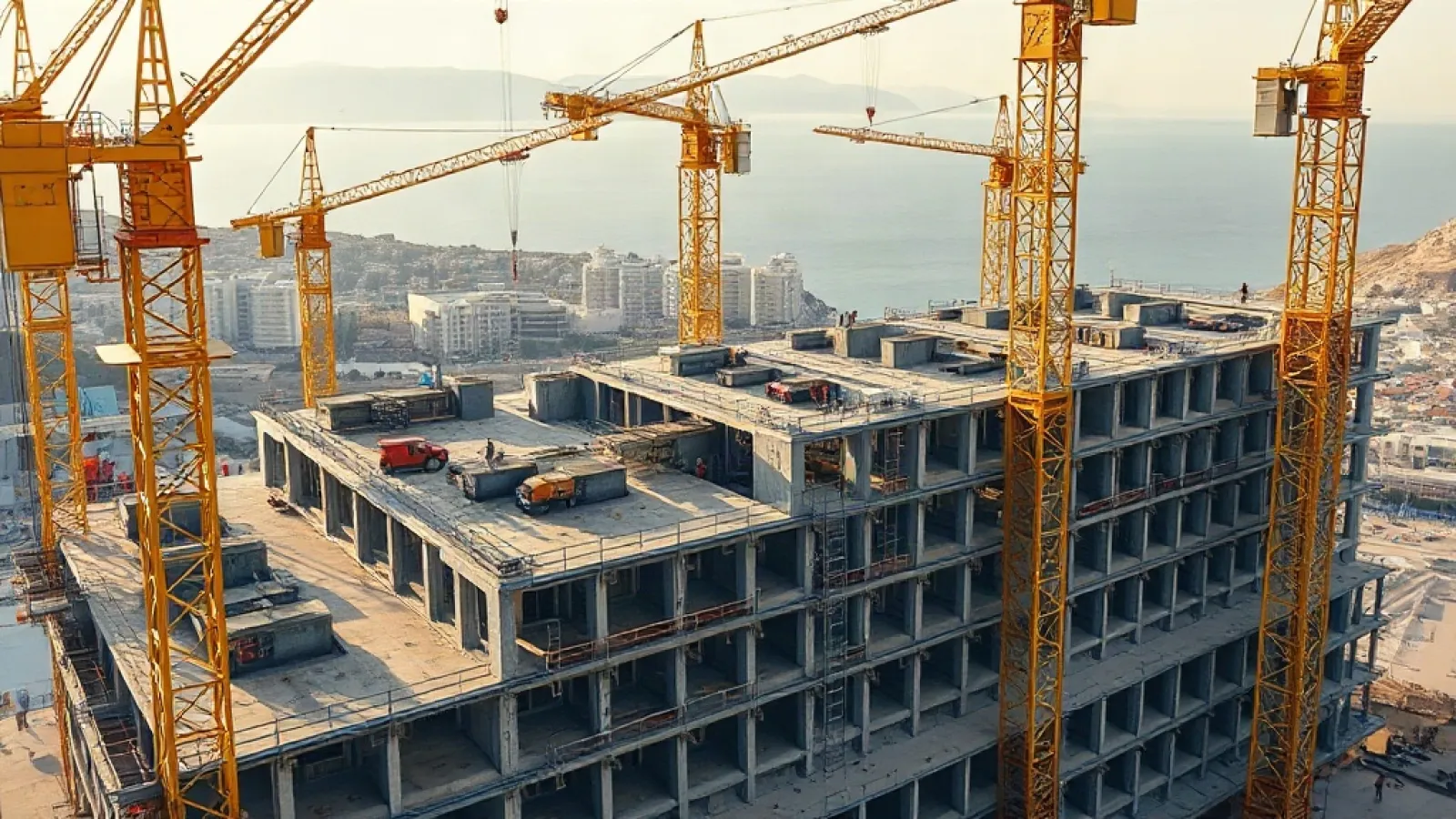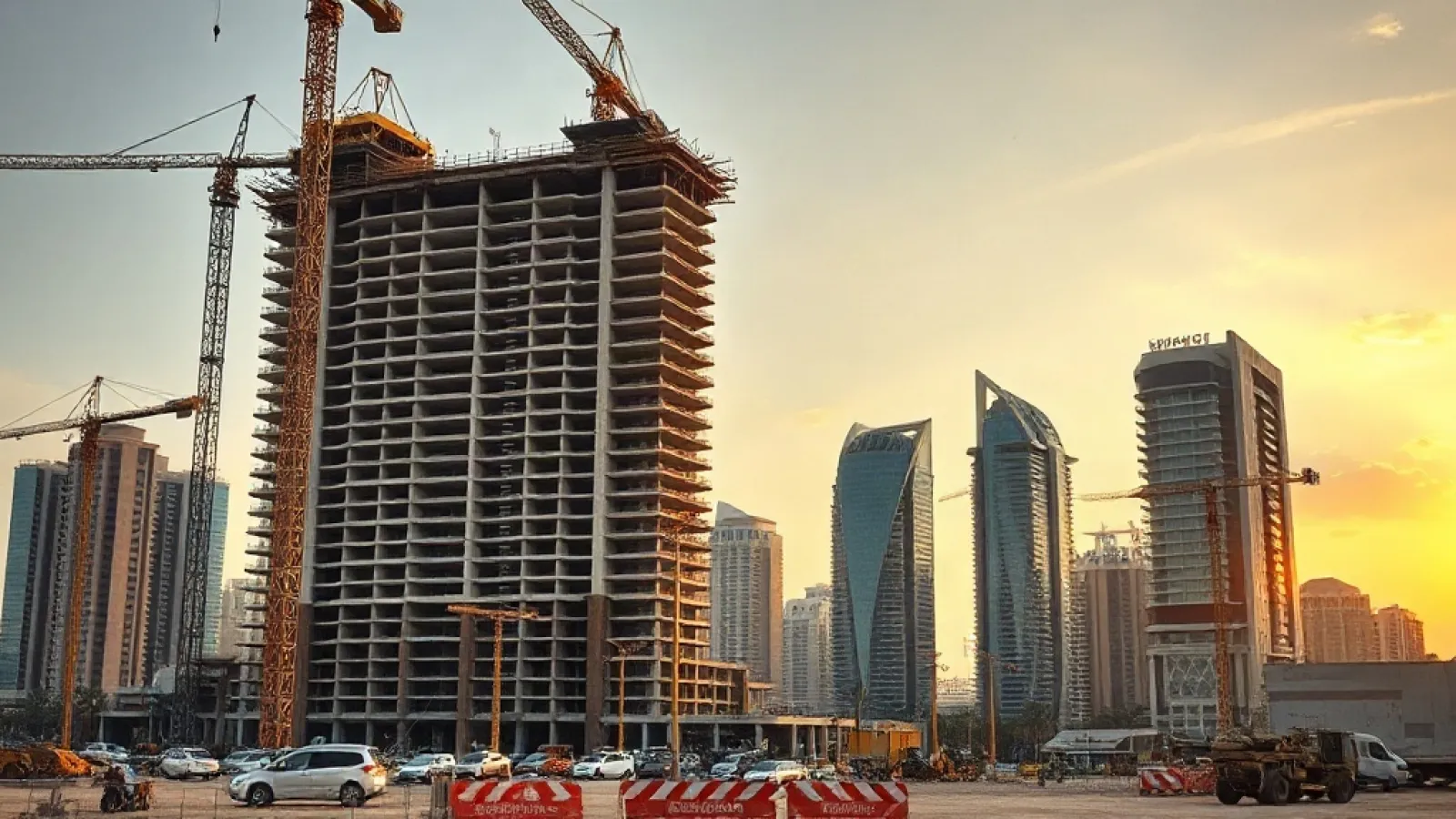
Saudi Arabia's hotel market is set to add around 94,500 rooms, with the additional keys either under construction or at advanced planning stages, according to a report by property consultancy Knight Frank. The pipeline sits on top of an existing stock of 171,650 rooms.
The expansion follows what the consultancy describes as a stellar year for the Kingdom's travel and tourism industry, which grew 32%. Travel and tourism contributed a record SAR 444.3bn ($114.4bn) to the economy in 2024, equal to 11.5% of national GDP — the highest share in the region, according to World Travel & Tourism Council figures cited in the report.
Oussama El Kadiri, Partner and Head of Hospitality, Tourism & Leisure Advisory for MENA at Knight Frank, attributed the growth to a combination of government initiatives, private sector investment and evolving consumer preferences.
Spending and arrivals
In the first quarter of 2025 alone, international visitor spending reached SAR 49.4bn, a 9.7% rise year on year, while total tourism spending increased 11% to SAR 284bn.
Saudi Arabia welcomed 29.7 million international visitors in 2024, up 8% year on year, alongside 86.2 million domestic tourists, a 5% increase on 2023. International visitors' expenditure accounted for SAR 169bn of the SAR 284bn total, a 19% uplift.
Faisal Durrani, Partner and Head of Research for MENA at Knight Frank, said the research points to an industry driven by high-value travellers, experiential offerings and hospitality assets emerging under Vision 2030 and the National Tourism Strategy. Having already reached 116 million domestic and international visitors in 2023, the government has revised its 2030 target from 100 million to 150 million visitors, with one-third expected to be religious tourists.
Religious demand and a shifting mix
Religious tourism remains a central driver. Saudi Arabia welcomed 1.8 million Hajj pilgrims and 35.7 million Umrah pilgrims last year. Of those, 16.9 million international pilgrims performed Umrah in 2024, a 25% increase on 2023 and the highest number of international pilgrims ever recorded.
Alongside pilgrimage traffic, the report flags a structural shift towards non-religious international travellers, a group that now accounts for 59% of total international arrivals, up from 44% in 2019.
Why it matters
The numbers frame a supply race rather than a demand question. A pipeline of roughly 94,500 rooms against a base of 171,650 implies the Kingdom's room stock would grow by more than half if every planned key is delivered — a scale of addition that few markets absorb without pressure on occupancy, rate positioning or both.
For operators, developers and investors, the composition of demand is the variable to watch. Religious travel supplies a large, repeatable base, but the growth in non-religious arrivals — now a clear majority of international visitors — is what determines whether new inventory can be sold at leisure and business rates rather than pilgrimage-season rates.
The revised 2030 target of 150 million visitors, with one-third religious, implies the Kingdom is deliberately weighting its ambitions towards the non-pilgrimage segment. That has direct consequences for the type of product the pipeline needs to contain: experiential and high-value assets, in Knight Frank's framing, rather than purely capacity-led development.
For the wider region, the implication is competitive as much as domestic. A market adding inventory at this pace while raising its visitor target changes the calculus for neighbouring destinations courting the same long-haul and Gulf-source demand, and for the airlines, bedbanks and DMCs that allocate capacity across the Eastern Mediterranean and the Gulf.