Bulgaria–Turkey Cross-Border Programme Launches 30 Projects Worth €19.6 Million
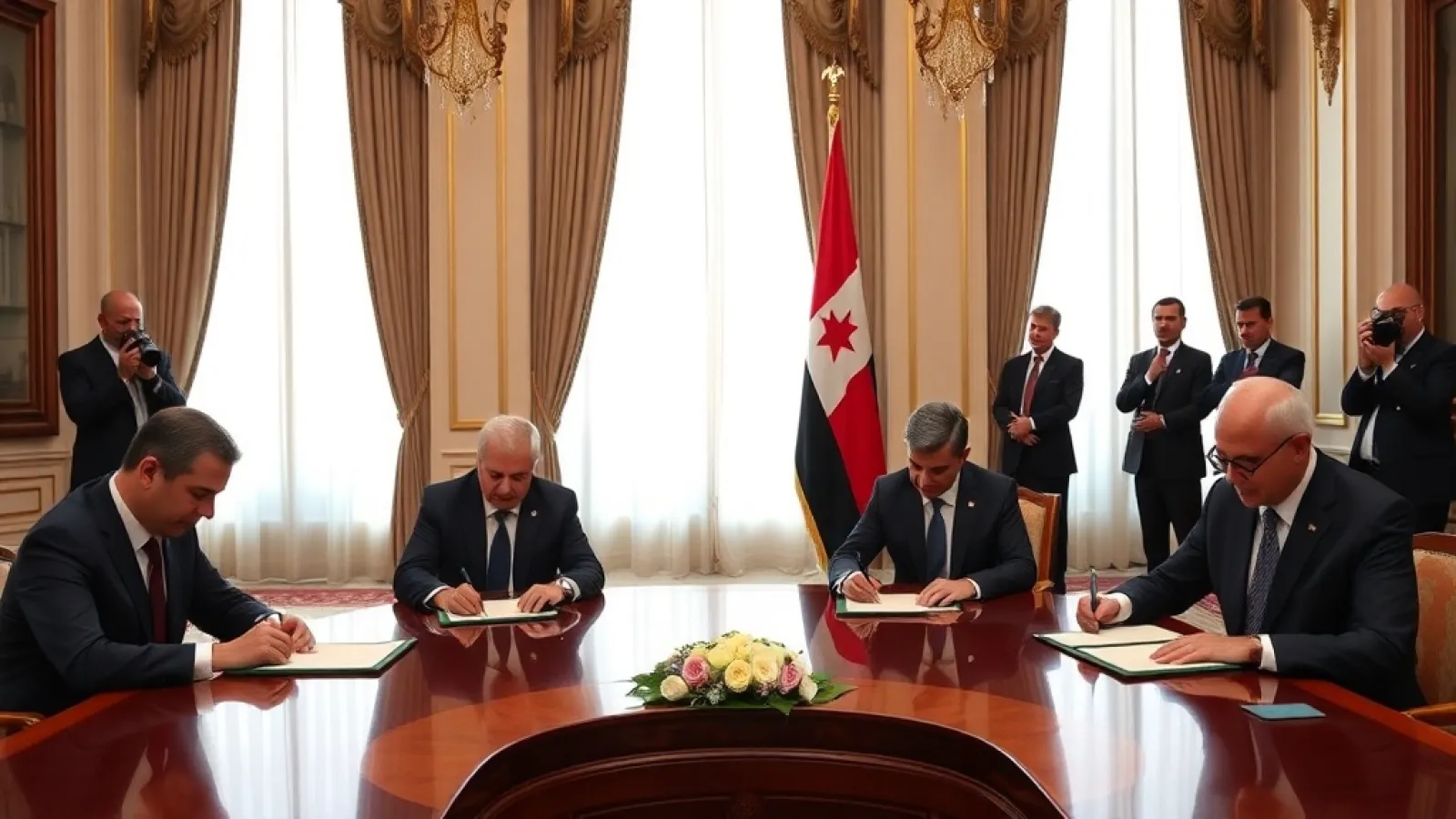
Thirty projects totalling €19.6 million have been formally launched under the Bulgaria–Turkey Cross-Border Cooperation Programme 2021–2027, with symbolic vouchers handed to project partners at a ceremony attended by senior officials from both countries.
Yura Vitanova, Deputy Minister of Regional Development and Public Works and Head of the Managing Authority, confirmed that 100% of the programme's resource has been activated, with agreed funds reaching 74%. Contracts for all 30 projects have already been signed.
"We are launching 30 projects for municipalities, NGOs and businesses. I hope that today's projects will also be seen as an investment in a future partnership," Vitanova said at the event, which took place on 11 September 2025.
Bülent Özcan, Director-General of the Directorate-General for Financial Cooperation and Project Implementation at Türkiye's Ministry of Foreign Affairs and representative of the National Authority, described the programme as "one of the most successful of its kind implemented in cross-border regions in Europe."
Two priorities, two funding streams
Priority 1 — Environmentally friendly cross-border region accounts for €6.3 million across 16 projects. Beneficiaries span the food industry, metalworking, IT, cosmetics, woodworking, hotels and glass manufacturing. Planned interventions include solar panel installation, thermal insulation, window and lighting replacement, energy management systems, and optimisation of production processes through modern technologies. The objective is to reduce waste in treatment processes and increase recovery rates.
Priority 2 — Integrated development of the cross-border region receives the larger share: €13.3 million across 14 projects. Implementation covers 13 Bulgarian municipalities — Burgas, Kameno, Karnobat, Malko Tarnovo, Pomorie, Sredets, Dimitrovgrad, Harmanli, Svilengrad, Topolovgrad, Yambol, Tundzha and Straldzha — as well as the Turkish provinces of Edirne and Kırklareli. Archaeological and cultural sites in the border region will be renovated and adapted for tourist visits, while new tourism products and services are expected to expand the area's visitor offer. Beneficiaries include municipalities, academic and educational institutions, community centres, non-profit organisations, and small and medium-sized enterprises.
Institutional alignment
At a bilateral meeting on the sidelines of the ceremony, Vitanova and Özcan reviewed programme progress alongside representatives of the Territorial Cooperation Management Directorate and the Turkish Embassy. Both sides reported positive results and strong institutional cooperation. "We agree on all issues of the programme between Bulgaria and Turkey, and good communication is a prerequisite for its implementation to go at a fast pace," Vitanova said.
Why it matters
For travel-trade operators and investors active in the Thrace corridor, the Priority 2 allocation is the more immediately relevant signal. The renovation of archaeological and cultural sites across 13 Bulgarian municipalities and the adjacent Turkish provinces directly expands the inventory of bookable heritage experiences in a region that has historically been under-served by organised tourism product. The explicit mandate to develop new tourism products and services — with municipalities, academic institutions and SMEs as co-beneficiaries — suggests a pipeline of locally anchored offerings that DMCs and bedbanks could incorporate into itineraries linking Istanbul's hinterland with Bulgaria's Black Sea and Thracian interior. The green-transition funding under Priority 1, meanwhile, targets hotel operators among its beneficiaries, meaning a subset of accommodation stock in the border region is set to undergo energy upgrades — a factor of growing relevance to tour operators with sustainability reporting obligations.