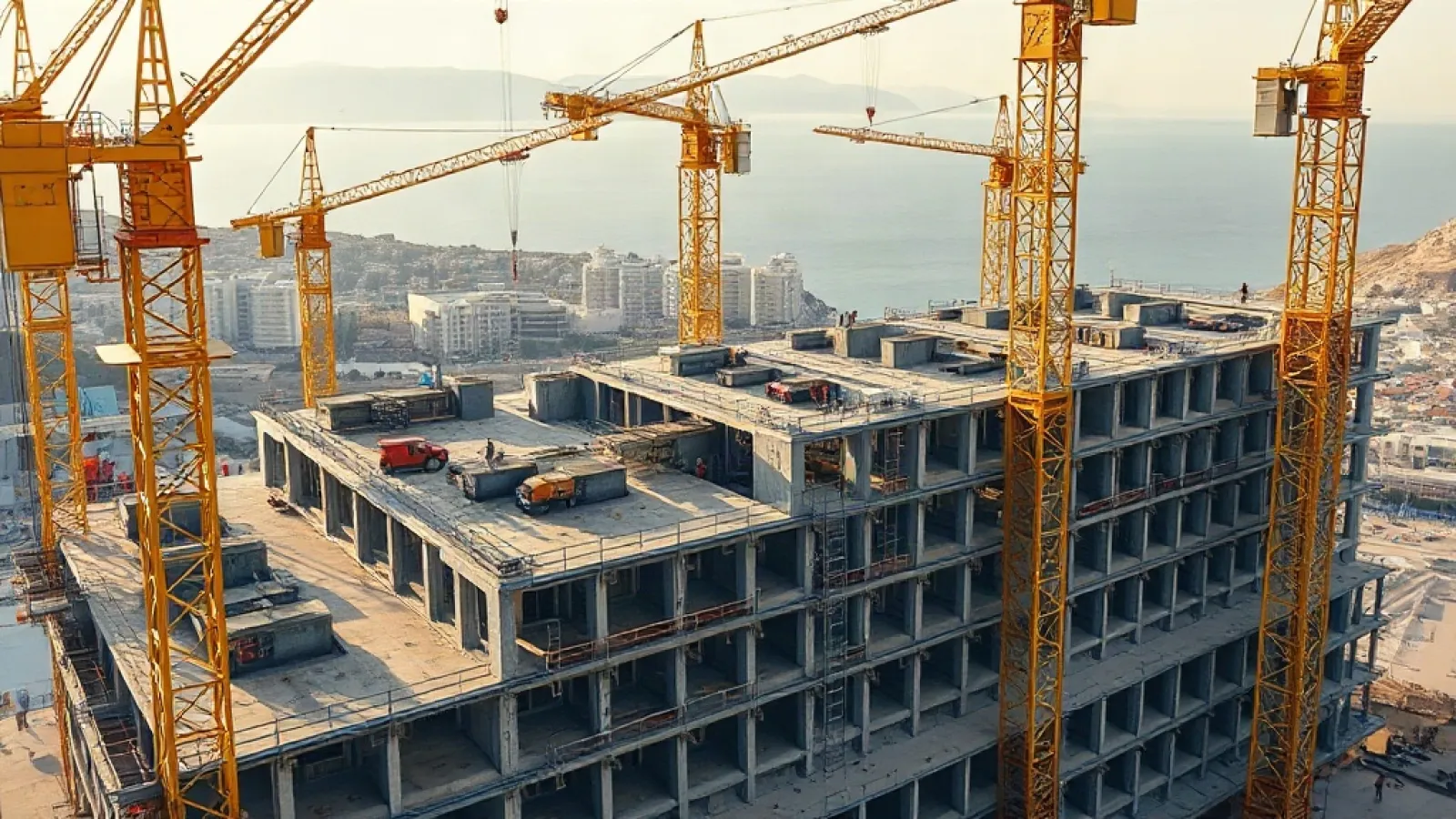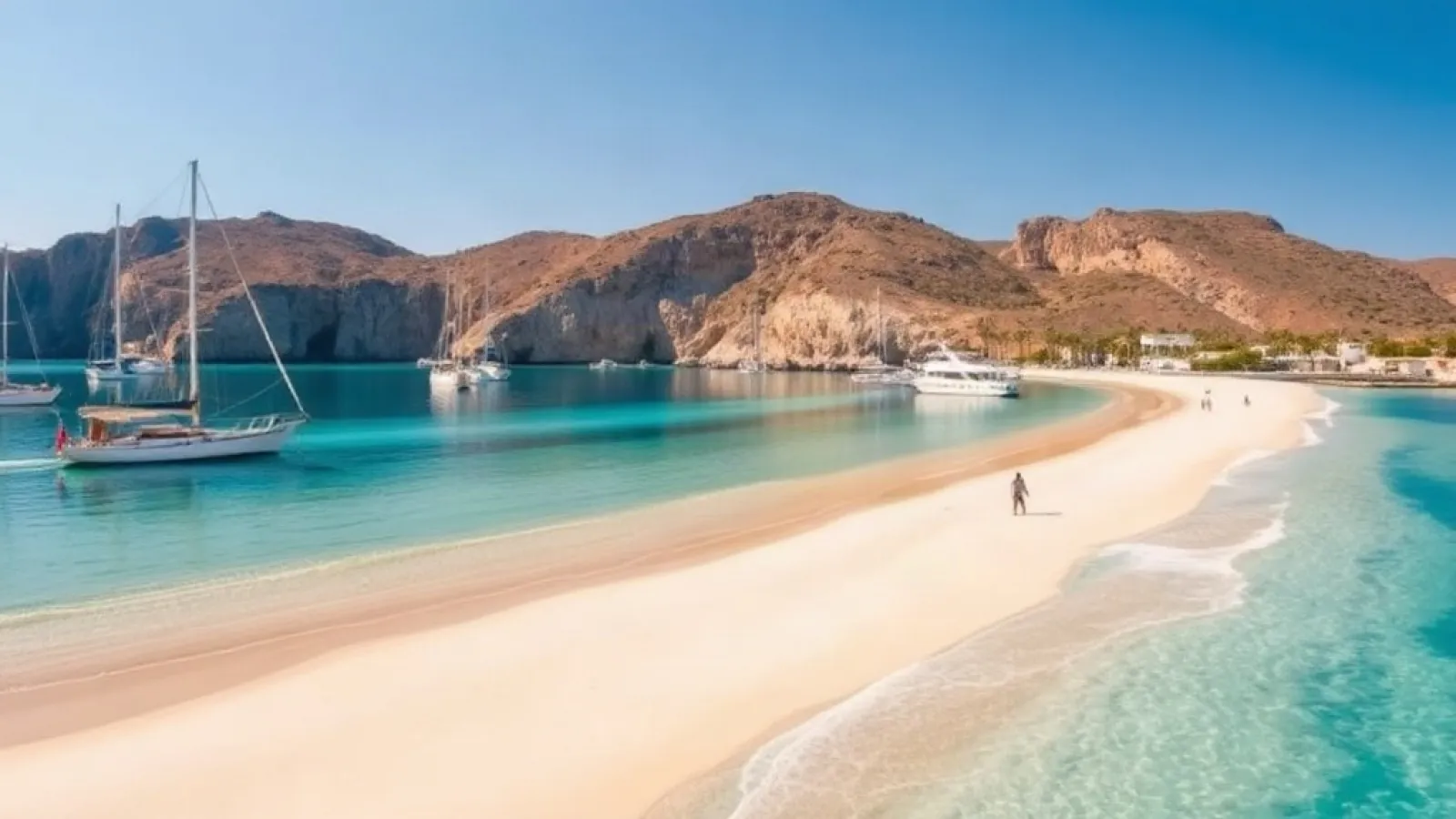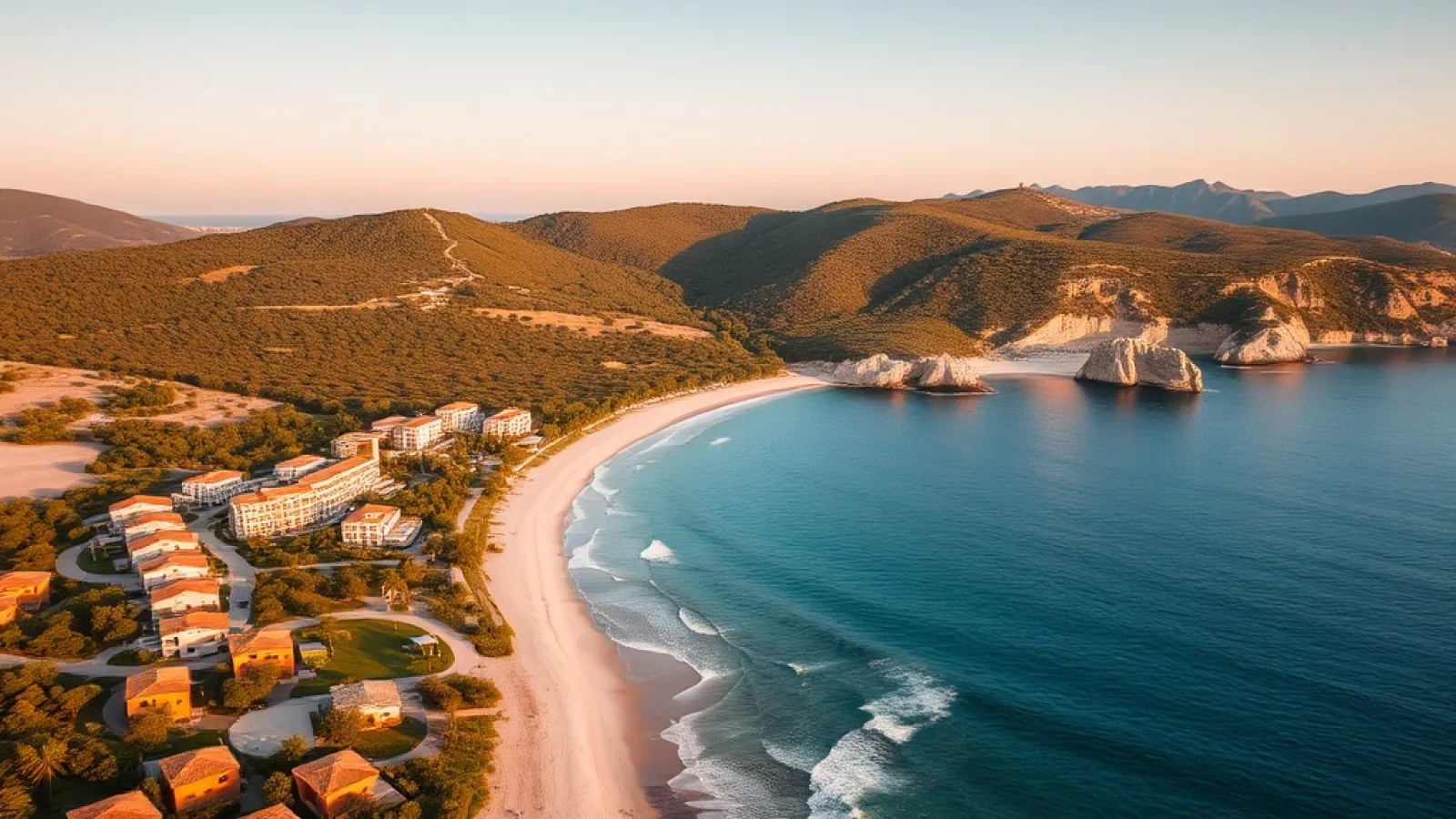
The Decentralized Administration of Crete has approved the environmental terms for Fodele Hills, a five-star tourism investment in northern Crete developed by S. Giannikakis S.A. The project, located at “Gialos or Teloneio” in the bay of Fodele, will create a 298-bed resort on a 50,068.98 sq.m. plot adjacent to the existing Fodele Beach. Total building area is 10,003 sq.m., including a central building, restaurant, shop, 38 room-building units, spa, common facilities, and supporting infrastructure. The budget is €23.2 million, and the completion deadline has been extended to June 30, 2027.
A key feature of the environmental licensing is a new shared Wastewater Treatment Plant (WWTP) serving both Fodele Hills and Fodele Beach, with treated effluent potentially reused for irrigation. The development includes 19,099 sq.m. of green areas, of which 4,378 sq.m. are rooftop plantings, and retains part of existing foundations from a previous license to limit new technical interventions. During the Environmental Impact Assessment review, objections were raised about the adequacy of documentation for seawater use, underscoring heightened scrutiny of technical choices.
Why it matters
Fodele Hills exemplifies the evolving criteria for tourism investments in Crete, a region facing water resource management challenges, carrying capacity pressures, and climate change impacts. The project incorporates circular water management and shared environmental systems, yet its design includes 126 private swimming pools, highlighting the tension between the premium resort model and natural resource conservation. The approval signals a shift from simple compliance toward more substantial design criteria such as water consumption per guest, energy self-sufficiency, and adaptation to water scarcity. For the travel trade, this case illustrates how sustainability requirements are reshaping project specifications and licensing processes in Mediterranean destinations.