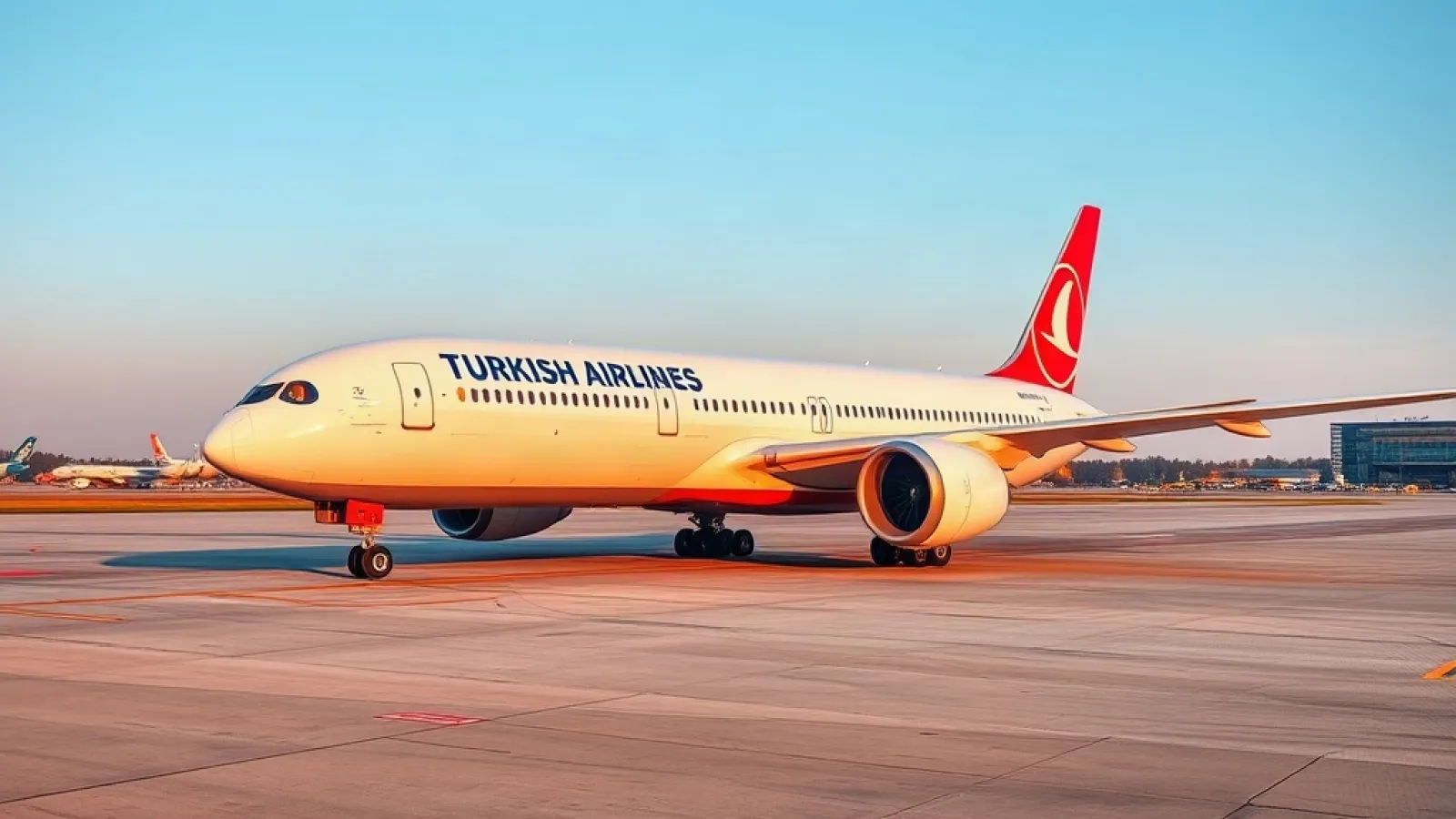
Gulf carriers are regaining their position as the preferred choice for travellers between Asia and Europe, as flight operations across the region return to normal, UAE travel agents said.
By mid-June, carriers in the Gulf had restored 90% of flights to normal levels, according to Reuters, citing data from Flightradar24. The recovery comes despite the renewal of the US-Iran war after a short-lived ceasefire, with UAE airlines continuing to operate at near-full capacity.
Geoffrey Salatan, CEO of Geof Travel, said customers now have more flight options and are planning trips earlier, leading to a gradual improvement in booking activity. “We have observed that some travellers are returning to UAE-based carriers for Europe-bound travel, particularly as operations have normalised,” he said. However, he noted that many customers continue to choose airlines based on schedule, connectivity, fares, and overall convenience rather than airline origin.
Fare levels remain a significant factor, but travellers are increasingly weighing overall value. “Travellers look for the best overall value, considering not only ticket prices but also flight schedules, connectivity, baggage allowance, service quality and travel time,” Salatan added.
Emirates and Etihad continue to appeal through their extensive route networks and service quality, even as Asian airlines remain competitive. “Emirates and Etihad continue to offer strong value through their extensive networks, service quality and connectivity,” Salatan said. “At the same time, many Asian carriers also provide competitive fares and excellent service.”
Malou Prado, founder of MPQ Travel & Tourism, said the return of normal operations has encouraged more travellers to book through Gulf hubs. “Some travellers who previously considered Asian carriers are now choosing Emirates or Etihad again because of their reliable schedules and convenient connections to Europe,” she said. Prado noted that booking activity has picked up over the past month as confidence in travelling through the region has improved.
Competitive fares remain important, but convenience and service are equally influential. “When Emirates and Etihad offer competitive prices, along with convenient schedules and quality service, many travellers see them as the better option,” Prado said. “For many of our clients travelling from Dubai, it's not just about price. It's the combination of flight availability, shorter travel times on many routes, and overall service that makes Gulf carriers attractive.”
Airports across the UAE, including Dubai International, Sharjah Airport, and Zayed International Airport, are preparing for an influx of travellers as the peak summer travel season arrives.
Why it matters
The normalisation of Gulf carrier operations and the shift in traveller preference back to regional hubs signal a recovery in connectivity that is critical for the tourism supply chain. Tour operators and bedbanks serving Europe-Asia itineraries can expect improved inventory and scheduling reliability from Gulf airlines, potentially reducing reliance on Asian carriers. The data also suggests that despite geopolitical instability, UAE-based airlines have maintained operational resilience, which may influence long-term route planning and investment decisions by DMCs and travel-tech platforms serving the region.