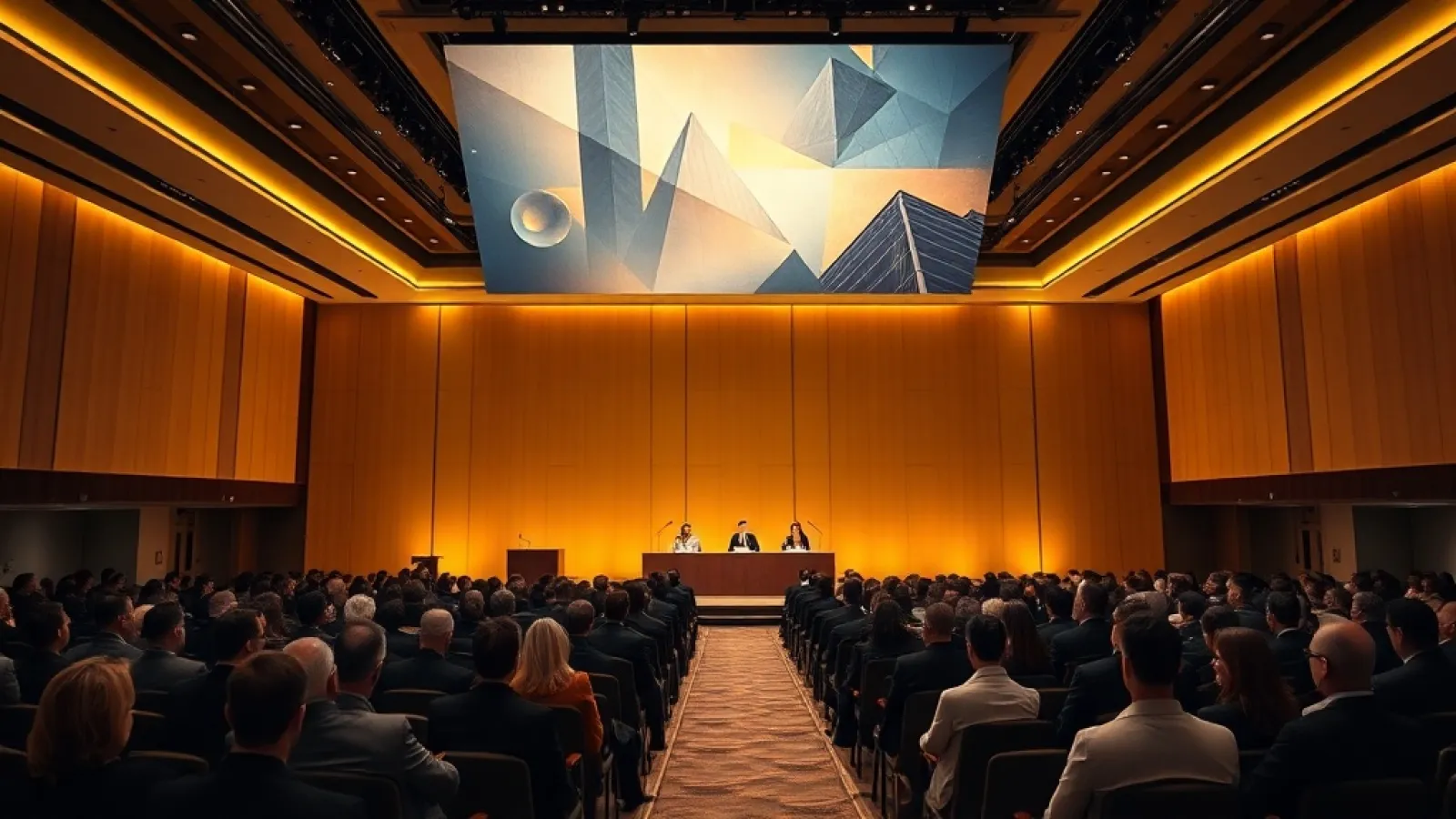
Industry leaders at the eighth edition of the Decision Makers Conference, held at the Grand Egyptian Museum under the theme “The Investment, Real Estate and Tourism Sectors: Egypt’s Triangle of Economic Growth 2026,” called for greater backing from financial institutions and investment funds for hospitality projects.
Mahmoud Mounib, Chairperson of Finest Hospitality Solutions, said Egypt needs approximately 250,000 additional hotel rooms by 2030 to meet its tourism targets. He urged expanded public-private partnerships and increased localisation of hotel supply chains, alongside greater participation by banks and investment funds.
Medhat Nafea, Chairperson of Nym Consultancy and a member of the Prime Minister’s Advisory Council, noted that uncertainty has become a structural feature of the global economy, requiring more resilient and adaptable economic policies. He emphasised expanding Egypt’s industrial base, particularly in engineering and food industries, while acknowledging that high interest rates remain a challenge.
Walid Hassouna, Founder and CEO of ValU, highlighted fintech’s growing role in shaping investment decisions and praised the Central Bank of Egypt and the Financial Regulatory Authority for strengthening the regulatory environment. He said Egypt has shown resilience in managing exchange rate and interest rate fluctuations, boosting investor confidence.
Ayman Soliman, Managing Partner at Morpho Investments, said Egypt’s competitive advantages—strategic location, diversified economy, and expanding industrial base—continue to attract investors. He noted that exchange rate flexibility has significantly improved investor sentiment.
MP Abdelkhalek Ibrahim, CEO of Nevera Egypt, said the next phase of the real estate sector should focus on sustaining genuine market demand and improving regulation. He stressed that long-term success depends on efficient operation and management of projects, supported by stronger governance and legislation.
Why it matters
The identified shortfall of 250,000 hotel rooms by 2030 represents a significant investment gap that cannot be closed without deeper involvement from financial institutions and investment funds. The panel’s emphasis on public-private partnerships and supply chain localisation points to structural changes needed to de-risk hospitality projects and make them more bankable. For travel-trade professionals, the scale of the room deficit implies sustained demand for construction, management, and operational services in Egypt’s hospitality sector, but also underscores the financing bottleneck that could slow tourism growth if not addressed.