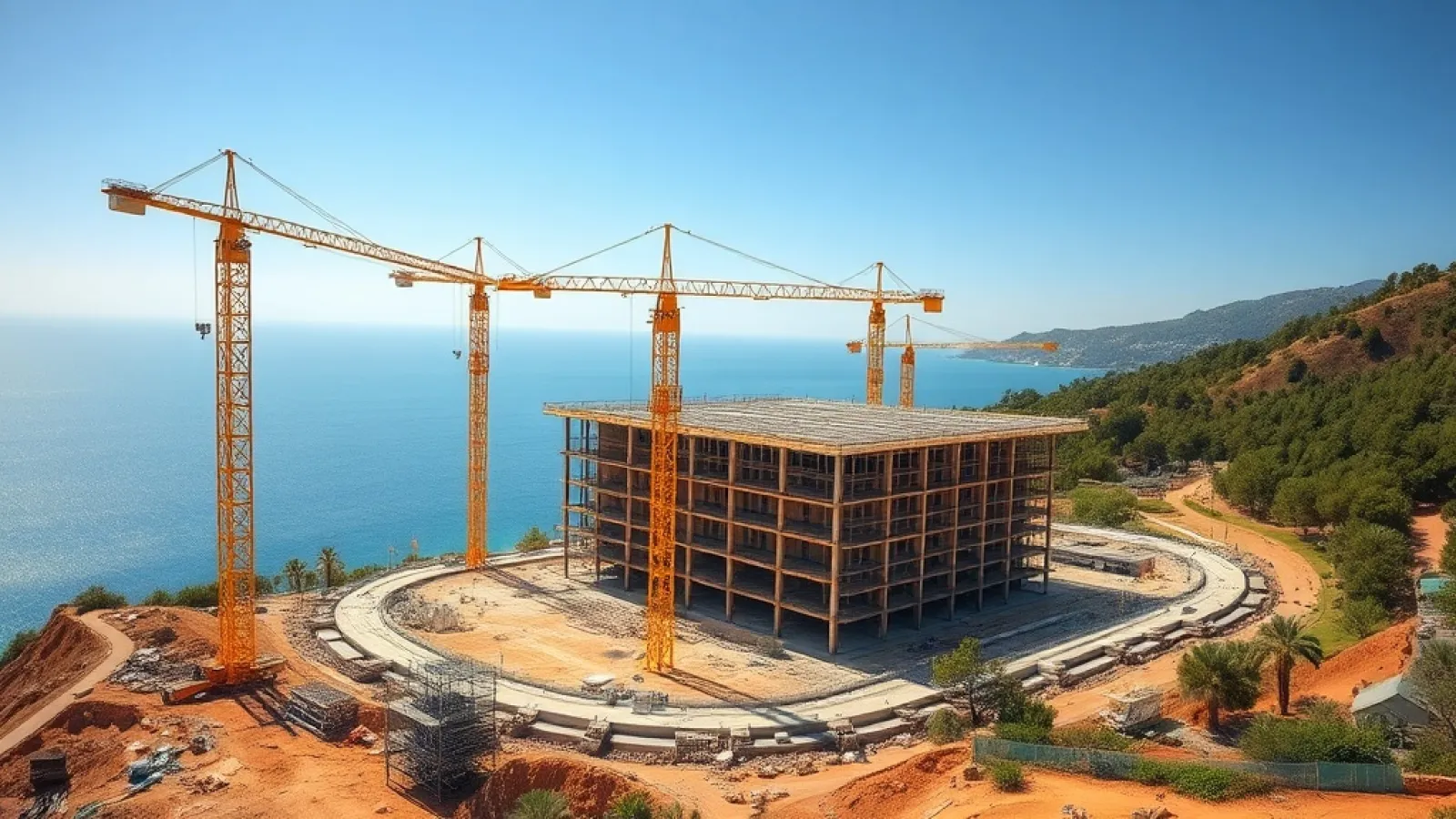
The head of the Turkish Tourism Investors Association (TYD) has declared that the current environment is favorable for investment in Turkey's tourism sector, citing low construction and operational costs alongside state incentives.
In an interview with Hürriyet Daily News, TYD Chairperson Oya Narin said the sector has passed a difficult test in recent years without compromising on quality or standards. "We have been through a very difficult period. But the most important aspect of this whole tough period is that we passed the test," she stated.
Narin noted that Turkey's tourism sector has achieved significant growth over the past three decades and is now ready for a major transformation. This transformation, she explained, aims to extend the tourism season from the current 150–180 days to a full 365 days, and to restructure destinations for sustainable tourism.
"We need more residences, condominiums and vacation clubs to lure even more tourists to spend much more time in Turkey," Narin said. She also highlighted the need to appeal to older age groups by developing health tourism and providing year-round facilities.
On the topic of foreign exchange fluctuations, Narin acknowledged both advantages and disadvantages. "They bring an advantage in terms of sales prices and make the environment more attractive for foreign investors," she said, but cautioned that such fluctuations are temporary and investors should maintain a long-term outlook.
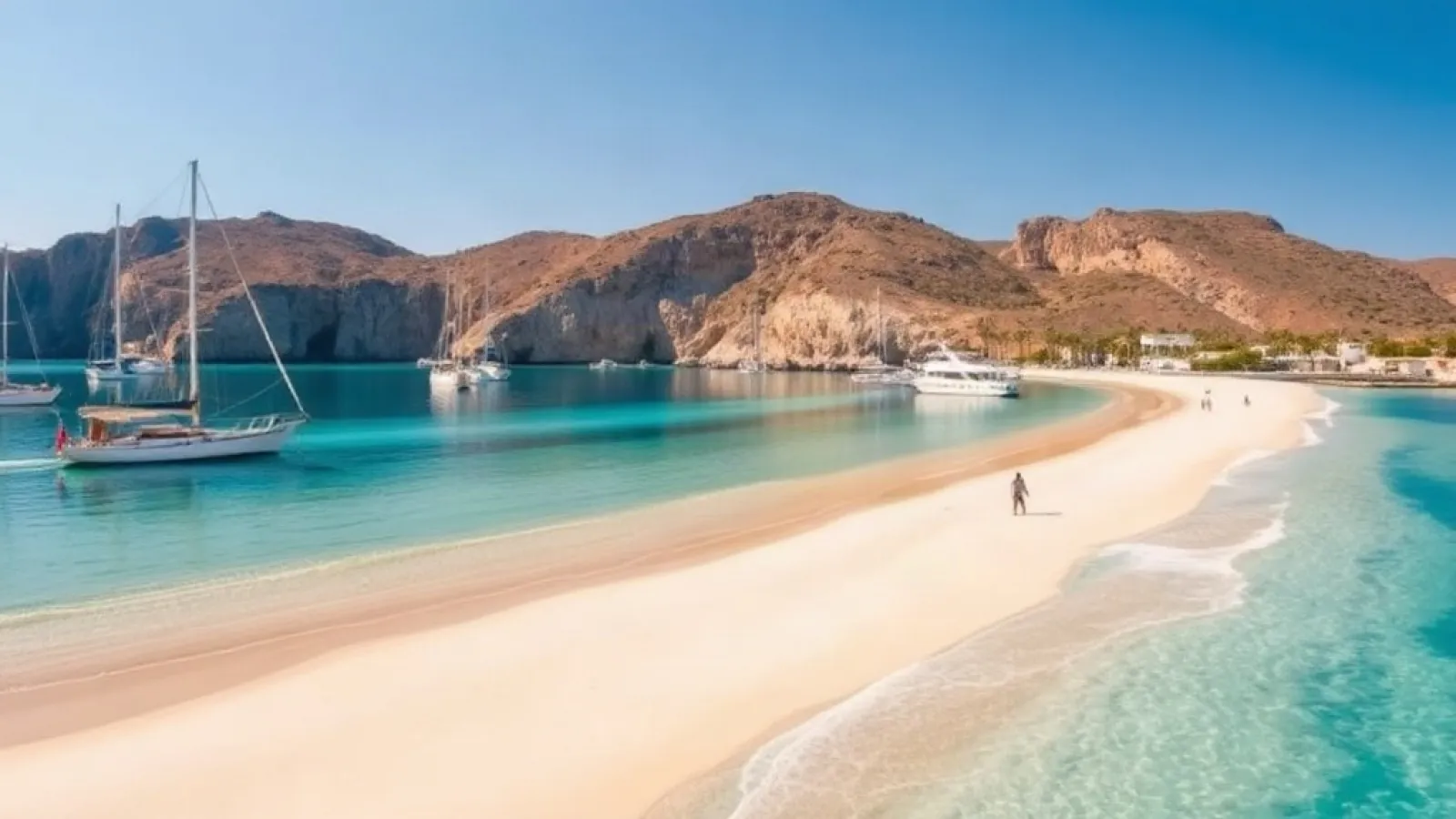
Narin reported strong interest from international hotel chains, particularly in expanding beyond major cities to the southern coasts. She cited lower investment costs compared to Europe, as well as tax exemptions and incentives on interest rates and personnel, as key selling points.
Addressing security concerns, Narin distinguished Turkey from conflicts in neighboring regions. "For a long time, thank God, we haven't had a terrorist attack. They've had it in Paris and in London, but people are still going there," she said, adding that there is no problem within Turkey's borders affecting tourist safety or the investment climate.
Narin also highlighted the government's responsiveness to industry proposals, including extending lease periods for tourist facilities from 49 years and enabling timeshare property ownership. She noted that legislative changes have also been made to support health tourism, such as allowing physiotherapy and geriatric services.
Looking ahead to 2018, Narin expressed optimism that tourist numbers could match the 2014/15 period and potentially surpass 40 million, which would be a new record. However, she stressed the need for improvements in pricing through changes in sales techniques and destination management.
Why it matters
For travel-trade professionals, Narin's comments signal that Turkey is actively seeking to reposition itself as a year-round destination with diversified offerings beyond sun-and-sea tourism. The emphasis on health tourism, extended seasons, and branded residences points to a strategic shift that could create new opportunities for tour operators, hotel investors, and DMCs. The government's willingness to adjust regulations—such as lease extensions and timeshare laws—indicates a supportive policy environment for long-term investment. However, the sector's reliance on overcoming security perceptions and achieving price recovery remains a key challenge for stakeholders monitoring Turkey's competitiveness.