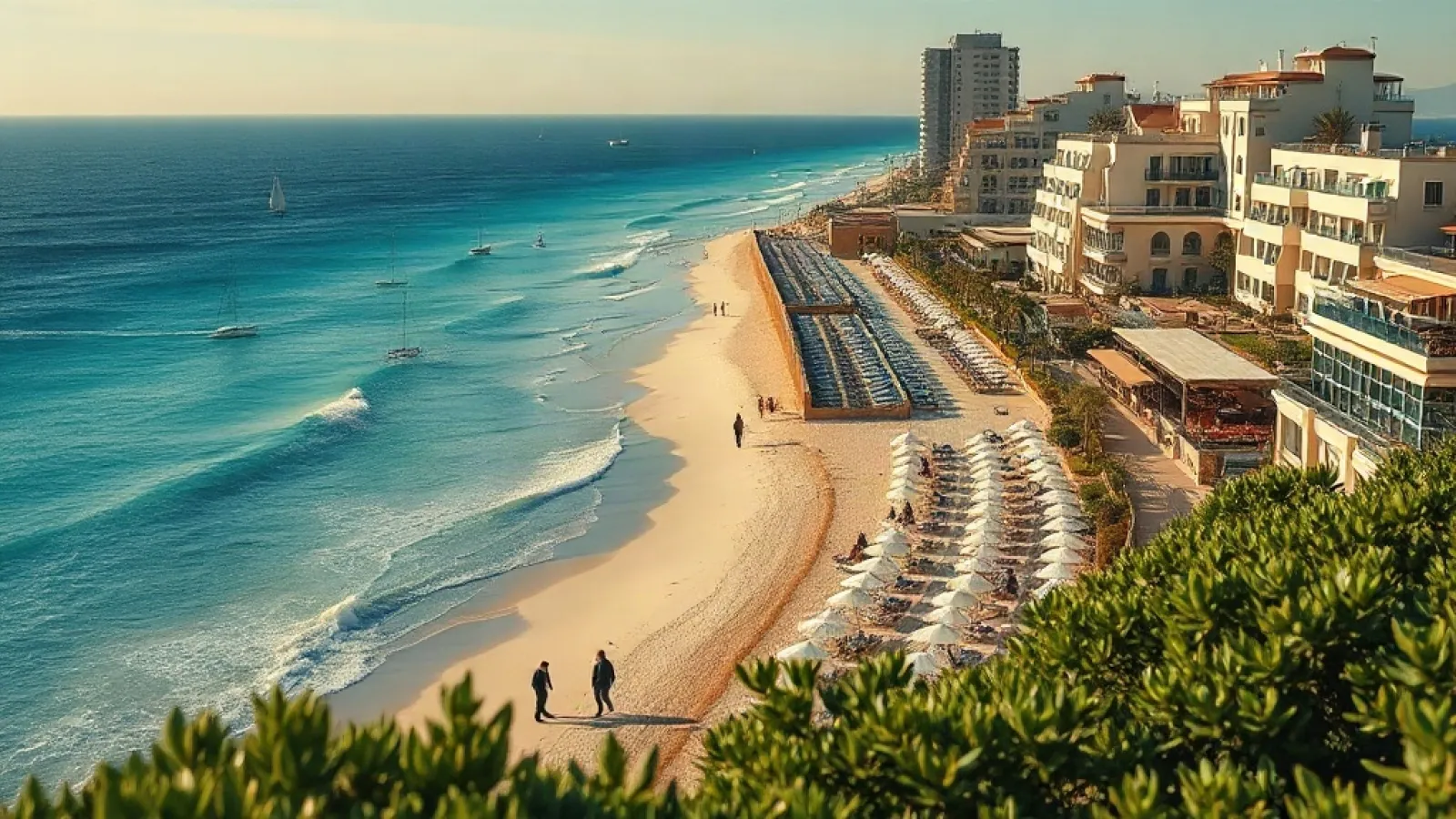
Greece's visa-on-arrival programme for Turkish citizens has produced a fivefold increase in Turkish tourist arrivals to select Aegean islands, according to data released by the Association of Turkish Travel Agencies (TURSAB). Official figures from Türkiye's Ministry of Transport and Infrastructure confirm the scale of the shift: arrivals climbed from 416,000 in 2022 to more than 2.25 million in 2025.
Greece has extended the scheme for a further year, keeping it active across 12 islands: Rhodes, Kos, Chios, Lesbos, Samos, Kastellorizo (Meis), Leros, Lemnos, Symi, Kalymnos, Patmos, and Samothrace.
How the scheme works
Hakkı Karadeveci, head of TURSAB's Izmir board, described the programme as an increasingly attractive alternative for Turkish travellers who face persistent difficulties securing standard Schengen visa appointments. Applicants must submit documentation to the relevant port authorities between three weeks and ten days before travel; the visa is then stamped into the passport upon arrival at the island.
Karadeveci stressed that the permit is not a Schengen visa and confers no right to travel to mainland Greece or other Schengen-zone countries. Travellers wishing to do so still require a standard Schengen visa, meaning the two systems operate as complementary rather than competing options.
A key commercial advantage is flexibility: trips can be planned as little as ten days in advance, making the islands accessible to travellers unable to commit to itineraries far ahead due to work schedules.
Port infrastructure under pressure
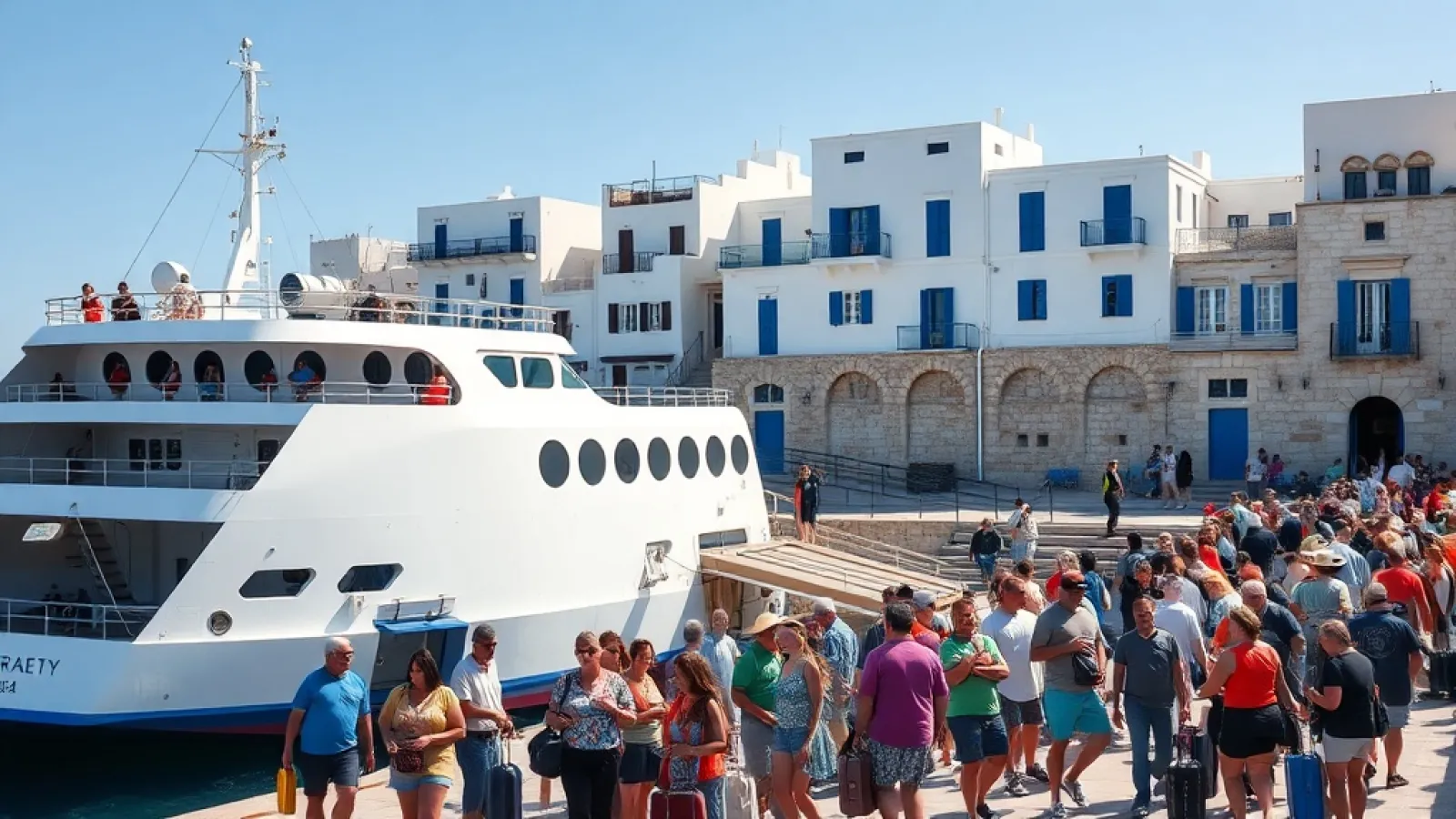
The rapid demand growth has exposed capacity constraints at island ports. Karadeveci noted that long queues caused significant delays last year, particularly for day-trippers and organised tour groups. TURSAB submitted feedback and proposals to the Greek Consulate; upgrades have since been completed at Samos Port, while Chios Port is expected to undergo similar improvements ahead of the high season. Discussions between authorities on both sides are continuing with the aim of reducing disruptions.
Seasonality shifting
The programme is also reshaping the traditional summer-heavy demand curve. Karadeveci said Turkish visitor flows are now extending across the year, with multi-island small cruise routes gaining traction as a format. The combination of proximity to Turkey's Aegean coast and simplified entry procedures is driving this broader seasonal spread.
Why it matters
For tour operators and DMCs serving the Turkish outbound market, the fivefold volume increase in three years signals a structural shift rather than a cyclical spike. The 2.25 million figure for 2025 represents a market large enough to justify dedicated product development — particularly short-break and multi-island itineraries that exploit the ten-day advance-booking window. Ferry operators and port-side ground handlers face the most immediate operational pressure, as the queuing problems of last season demonstrate that infrastructure has not kept pace with demand. The ongoing port upgrade programme at Samos and the planned works at Chios will be critical to sustaining yield quality and preventing reputational damage among organised-tour buyers. For bedbanks and accommodation investors, the extension of the scheme into year-round travel patterns reduces the seasonal revenue concentration risk that has historically characterised Aegean island properties. The explicit separation between the visa-on-arrival permit and full Schengen access also preserves the programme's distinct value proposition, limiting cannibalisation of mainland Greek and broader European itineraries.