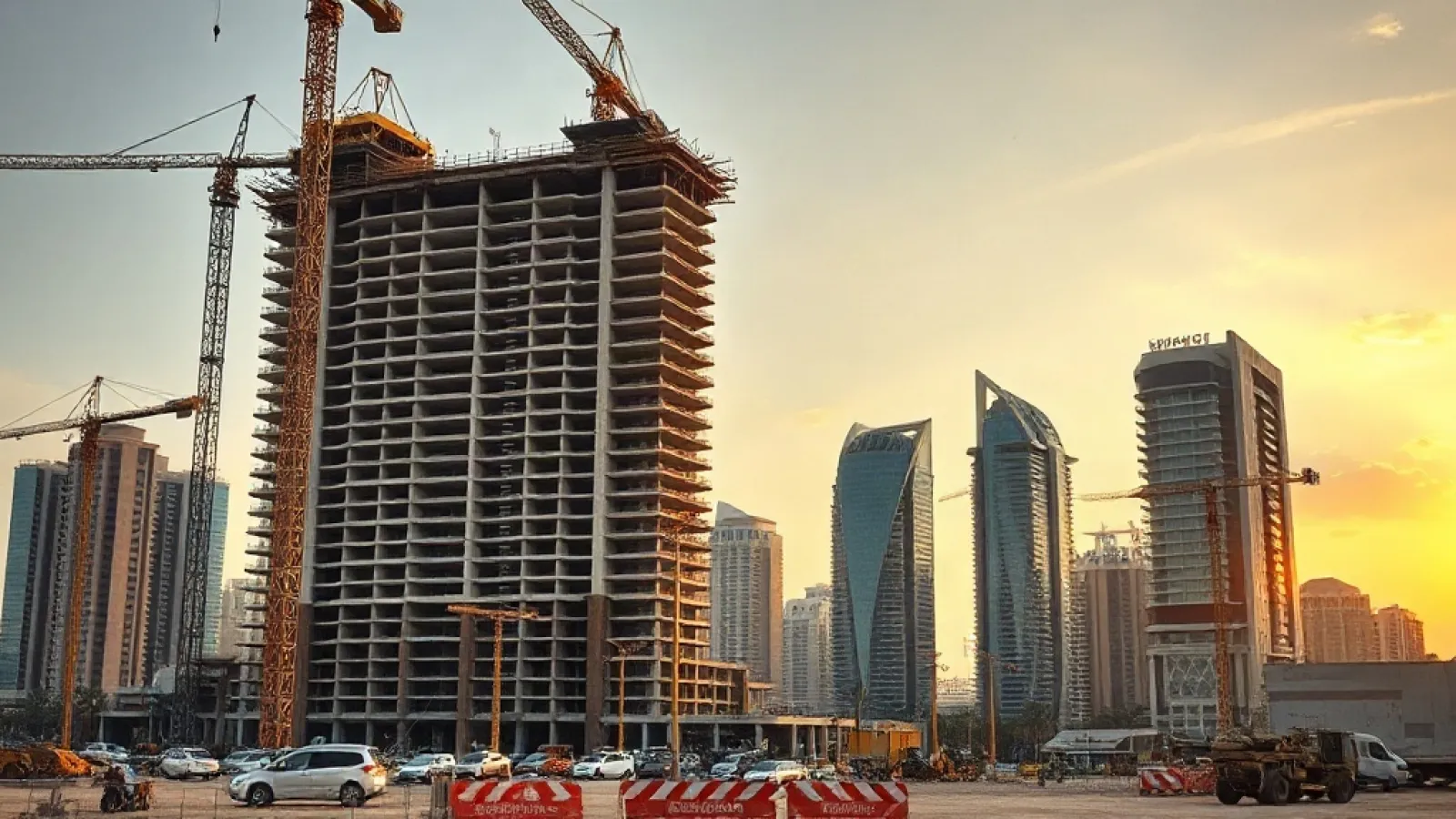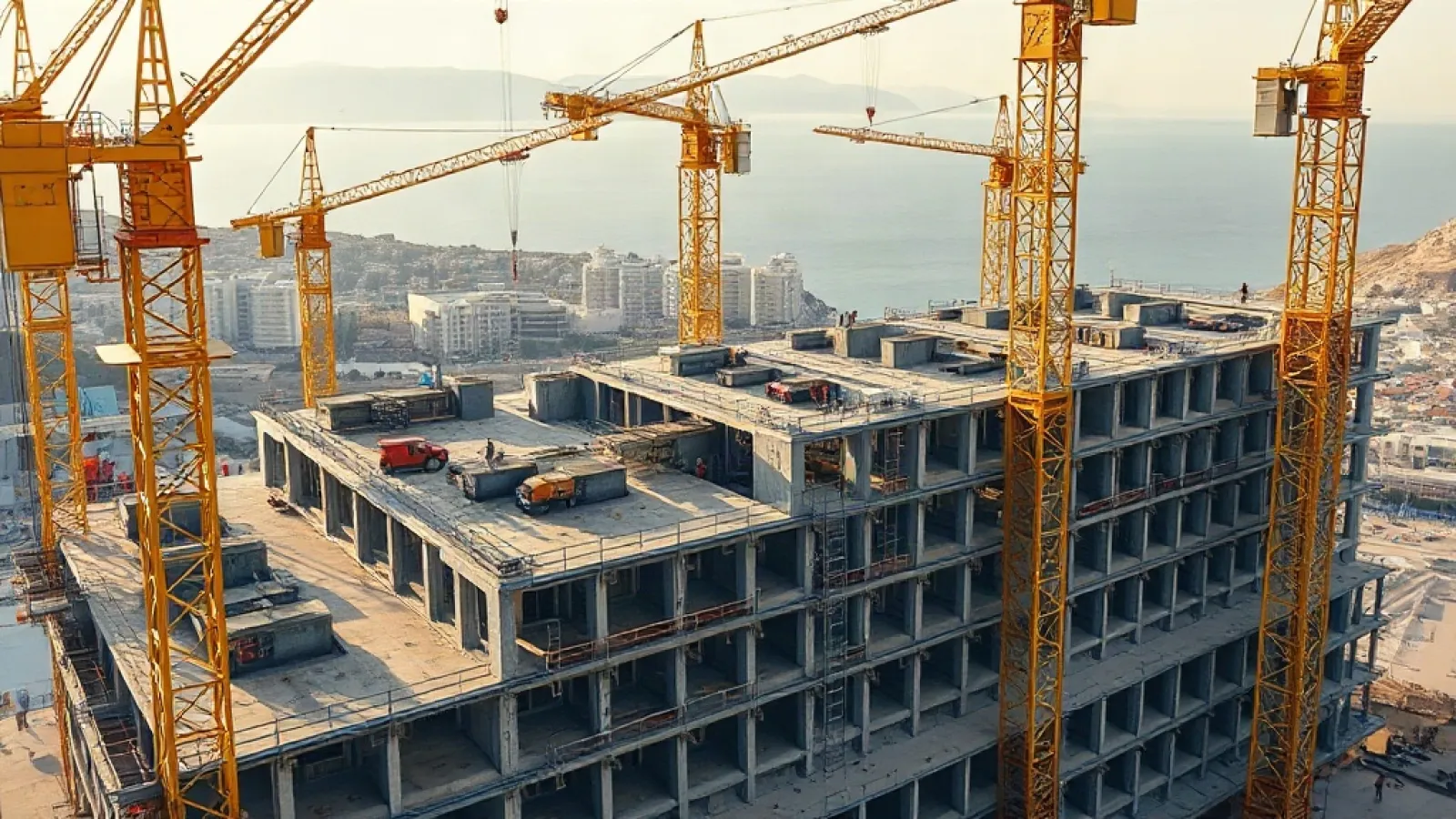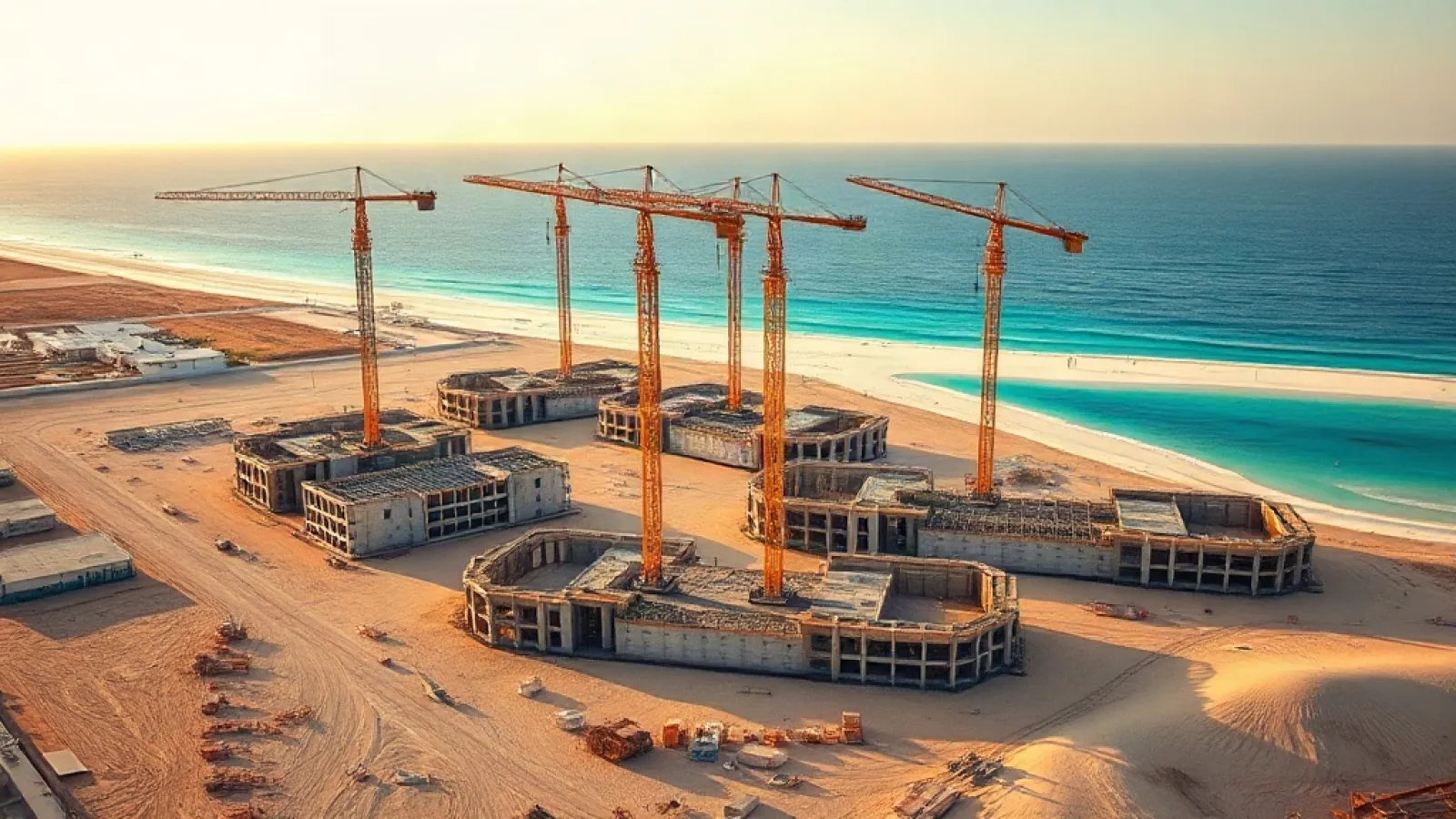
Saudi Arabia has an estimated 110,000 hotel rooms under development, according to new data from hospitality consultancy HVS, roughly half of the consultancy's approximately 200,000-room pipeline across the Gulf Cooperation Council and North Africa. The projects span Riyadh, Makkah, Madinah, Diriyah, NEOM, the Red Sea and AMAALA.
The figure describes a pipeline, not 110,000 confirmed openings. It does not mean every room is financed, under construction, staffed or due before 2030. HVS says some major Saudi destination projects will be delivered in phases into the next decade.
Three numbers, three methods
The new estimate sits close to another widely cited figure: Knight Frank counted 105,225 rooms under construction or in advanced planning in June. The Ministry of Tourism, by contrast, said its national development pipeline was expected to add more than 200,000 keys by 2030, with around half expected to come from the private sector. The ministry also cited tourism investment exceeding $120 billion.
These are not directly interchangeable measures. They use different cut-off dates, scopes and likely inclusion rules, and should not be added together or presented as a single verified construction total. The gap between the HVS and Knight Frank counts is about 4,775 rooms, or around 4.5% of the June figure — not evidence that rooms were added between the reports.
A ministry may count the full announced development programme, including early-stage projects or accommodation outside traditional hotel definitions. A consultancy may apply a market-tracking filter limited to projects it can verify. Reports may also differ on branded residences, serviced apartments, future phases, refurbishment or conversion. Analysts would need a project-level reconciliation table — room count, stage, expected opening, source — before the numbers could be squared.
HVS released its estimate ahead of the Future Hospitality Summit, scheduled for 29 September to 1 October. It values the regional pipeline at about $90 billion and expects it to add roughly 27% to existing regional room supply. Its regional stage counts show 88,000 rooms under construction and another 25,000 in final planning — figures that describe the broader regional pipeline, not the Saudi total alone.
Demand is moving the other way
The delivery test is sharpened by demand data. Saudi Arabia welcomed 29.3 million inbound tourists in 2025, down 1.6% year on year, and inbound arrivals fell 13% in the first quarter of 2026 even as domestic trips grew. The Ministry of Tourism reported 93.3 million domestic tourists in 2025.
The pipeline is also not uniform. Makkah and Madinah are anchored by religious travel with seasonal patterns; Riyadh mixes government, corporate, event and leisure demand; Jeddah serves business, leisure, transit and pilgrimage-related stays. The Red Sea and AMAALA target higher-spend leisure visitors and rely on integrated resort experiences. HVS notes the pipeline spans pilgrimage-focused hotels, luxury resorts, branded residences and upper-midscale accommodation, with luxury and upper-upscale remaining the largest regional segment while mid-market brands also expand in Saudi Arabia.
At least one asset has moved from construction to operations. Red Sea Global said Four Seasons Resort and Residences Red Sea on Shura Island would welcome its first guests from 20 May 2026, with 149 guest accommodations and 31 resort residences; Four Seasons separately confirmed the resort was open in June. The residences are not automatically hotel rooms, and neither company mapped the opening to the 110,000-room pipeline.
Why it matters
For operators, investors and destination marketers, the headline number is a scale indicator, not a schedule. Pipeline counts mix announced, contracted, financed, permitted and physically active projects, and the HVS release does not provide a Saudi project-level stage table. Treating 110,000 as a delivery forecast would overstate near-term supply.
The practical consequences run through commercial underwriting. New supply can broaden the offer and support tourism growth, but performance will depend on demand, air access, pricing, occupancy, staffing and whether projects open on schedule. A national room total also conceals local mismatches: a Makkah hotel does not substitute for a Red Sea resort room, and a luxury villa does not meet the same demand as affordable midscale stock near a transport hub.
Phased delivery, which HVS expects for the regional pipeline and some Saudi destination projects, lets developers test demand and adjust later stages — but it also leaves uncertainty over when announced rooms actually become available. Each opening additionally depends on airports, ground access, utilities, water, waste management, staffing and supply chains. A hotel can be physically complete yet commercially constrained if its destination is hard to reach or lacks complementary attractions.
Until a reconciled project list exists, the defensible conclusion is that Saudi Arabia has an exceptionally large hotel-development pipeline while the precise number of rooms opening by 2030 remains uncertain.