Middle East Hotel Pipeline Hits Record 717 Projects; Saudi Arabia Accounts for 54% of Regional Rooms
The Middle East closed the first quarter of 2026 with a record hotel development pipeline of 717 projects totalling 177,110 rooms, a 12 percent increase from the same period a year earlier, according to data from Lodging Econometrics.
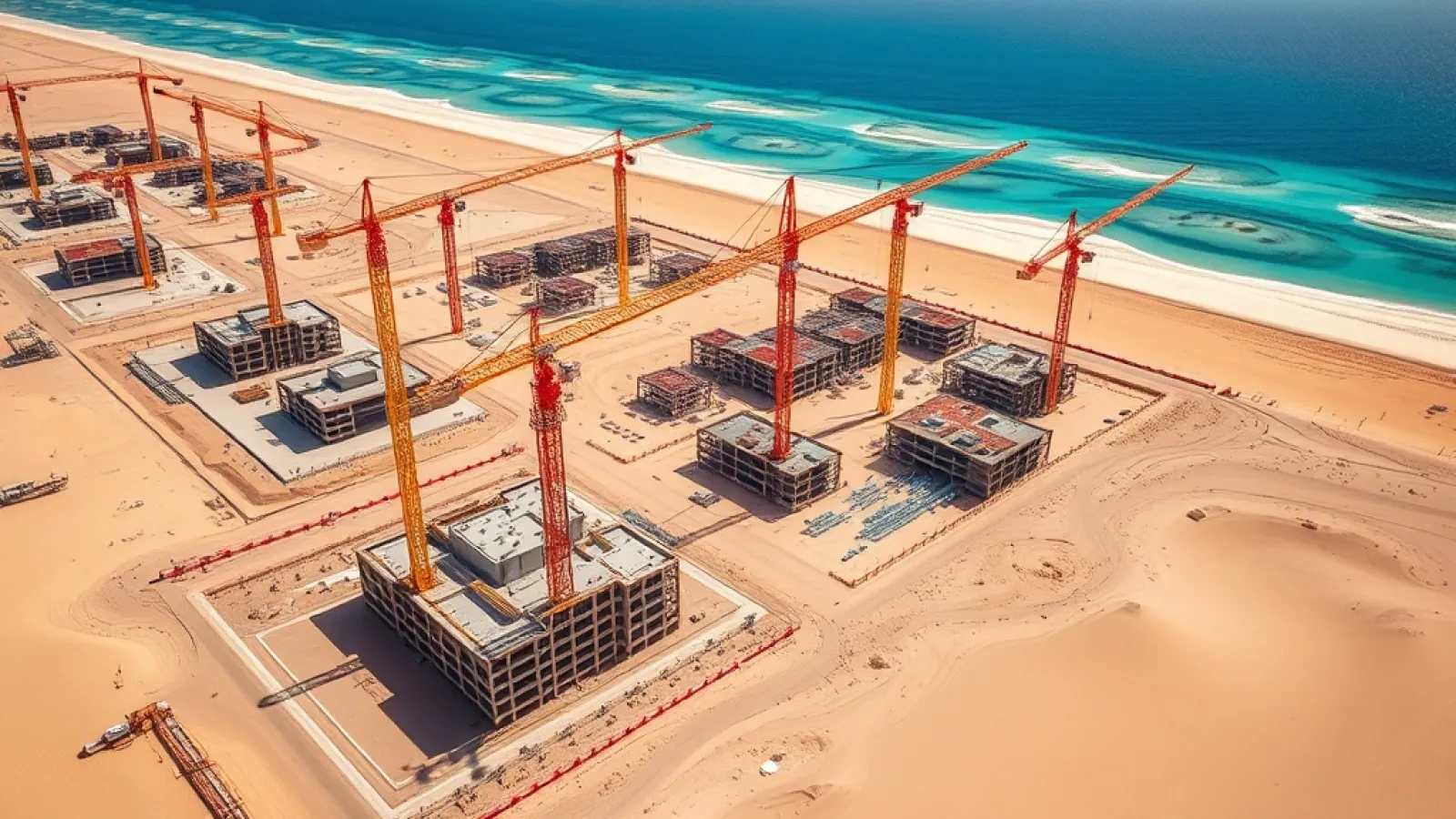
Of those, 335 hotels with 84,438 rooms were under active construction at the end of Q1. A further 180 projects encompassing 52,788 rooms are scheduled to break ground within the next 12 months — year-on-year gains of 14 percent in projects and 12 percent in rooms. Projects in the early planning stage climbed to a record 202 hotels with 39,884 rooms, up 36 percent in projects and 48 percent in rooms from a year earlier.
At the chain-scale level, luxury properties led with a record 207 projects totalling 45,076 rooms, up 7 percent year on year. The upscale segment reached 180 projects with 52,597 rooms, reflecting gains of 15 percent in projects and 18 percent in rooms.
The region opened 11 new hotels with 2,516 rooms during Q1. Lodging Econometrics forecasts a further 80 hotels with 15,479 rooms will open during the remainder of 2026, bringing the full-year total to 91 hotels and 17,995 rooms.
A separate CoStar report placed total rooms under contract in the Middle East at 231,941 in Q1.
Saudi Arabia dominates
Saudi Arabia accounted for 385 projects totalling 105,598 rooms in Q1 — a 21 percent rise in projects and a 24 percent rise in rooms year on year — making it the single largest contributor to the regional pipeline. Riyadh led the Kingdom with 105 projects and 20,927 rooms, followed by Jeddah at a record 63 projects and 14,764 rooms.
The Kingdom's National Tourism Strategy targets 150 million annual visitors by 2030, up from an earlier goal of 100 million that Saudi Arabia has already surpassed. The strategy also aims to grow tourism's share of GDP from 3 percent to 10 percent by the end of the decade.
Significant openings are expected across the remainder of 2026 from giga-projects including Neom's Sindalah island, Red Sea Global developments such as Shura Island, Amaala, and Diriyah, as well as urban centres including Riyadh, Jeddah and Makkah. JLL reported in May that Saudi Arabia's hospitality sector posted occupancy of 66.3 percent in Q1, with average daily rates rising 3 percent to SR805.5 ($215.37).
Regional rankings
Egypt ranked second in the pipeline with a record 157 projects and 33,446 rooms, up 26 percent in projects and 16 percent in rooms year on year. The UAE followed with 105 projects and 25,148 rooms. Oman contributed 26 projects with 4,451 rooms, while Bahrain added 12 projects totalling 1,900 rooms.
Structural challenges
Despite the record pipeline, industry executives cautioned that the current room inventory remains insufficient relative to stated visitor targets. Nicholas Nahas, partner at Arthur D. Little, said activating leisure tourism in Saudi Arabia will require coordinated improvements in airline connectivity, destination promotion, experience development and hotel supply expansion.
JS Anand, founder and CEO of Leva Hotels, highlighted workforce constraints as the most immediate operational challenge, warning that the industry will require a significantly larger pool of skilled hospitality professionals across all levels. Dominic Arel, vice president of operations for the Middle East at United Hospitality Management, pointed to rising operational costs and elevated guest expectations as concurrent pressures on profit margins.
Why it matters
For tour operators, bedbanks and DMCs, the pipeline data signal a structural shift in regional accommodation capacity that will materially alter product availability and pricing dynamics before 2030. The concentration of luxury and upscale supply — together representing the majority of new projects — suggests the region is deliberately targeting high-yield travellers, which has direct implications for package pricing tiers and preferred-partner negotiations. The gap between rooms under contract and actual openings (231,941 versus 17,995 forecast for full-year 2026) also underscores execution risk: operators building long-lead itineraries around giga-project properties should factor in delivery uncertainty. For hotel investors and international operators, the early-planning-stage surge — up 48 percent in rooms — points to a multi-year runway of management and franchise contract opportunities, particularly as Saudi Arabia's own targets require international brands to fill the accommodation gap.