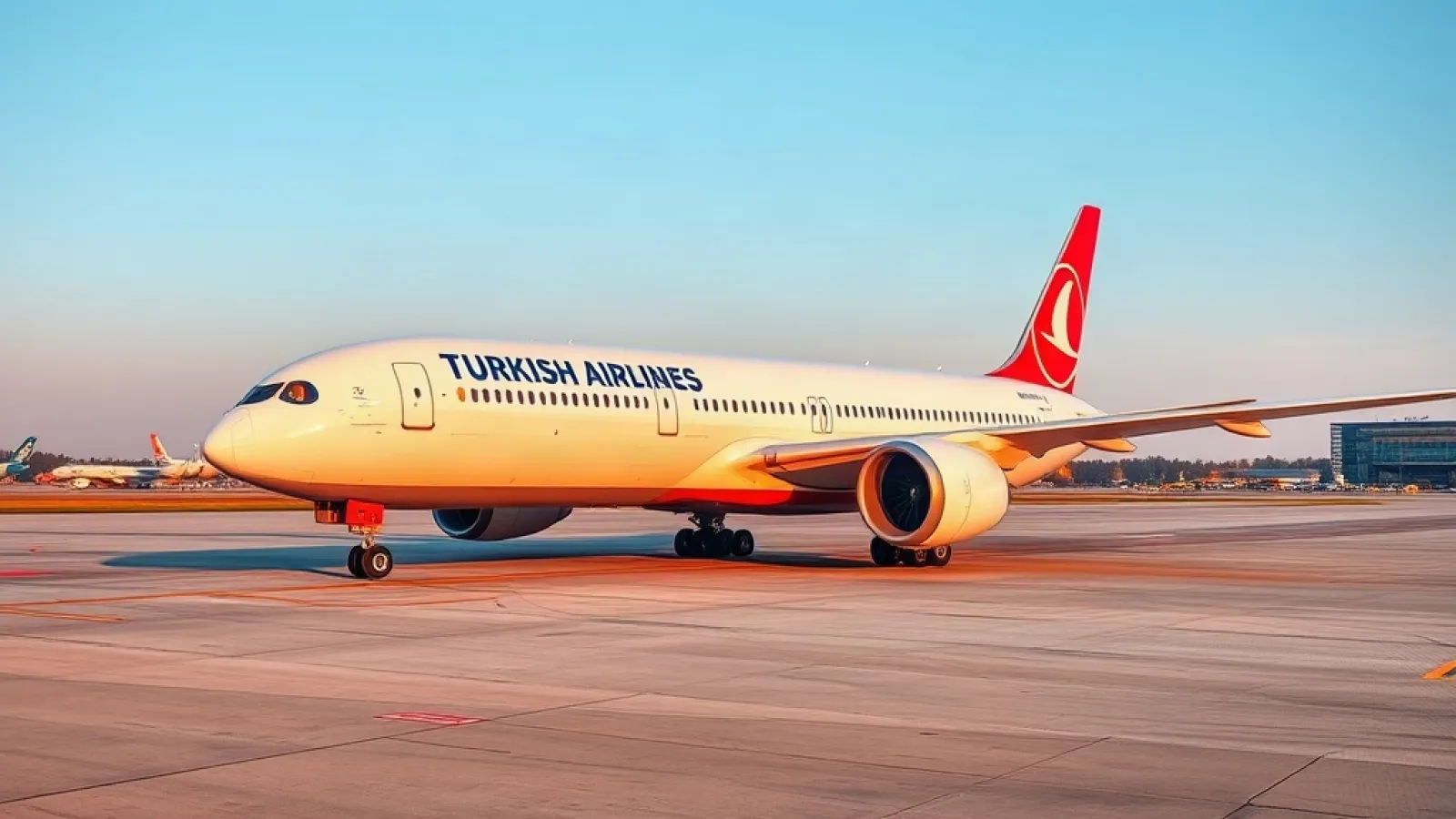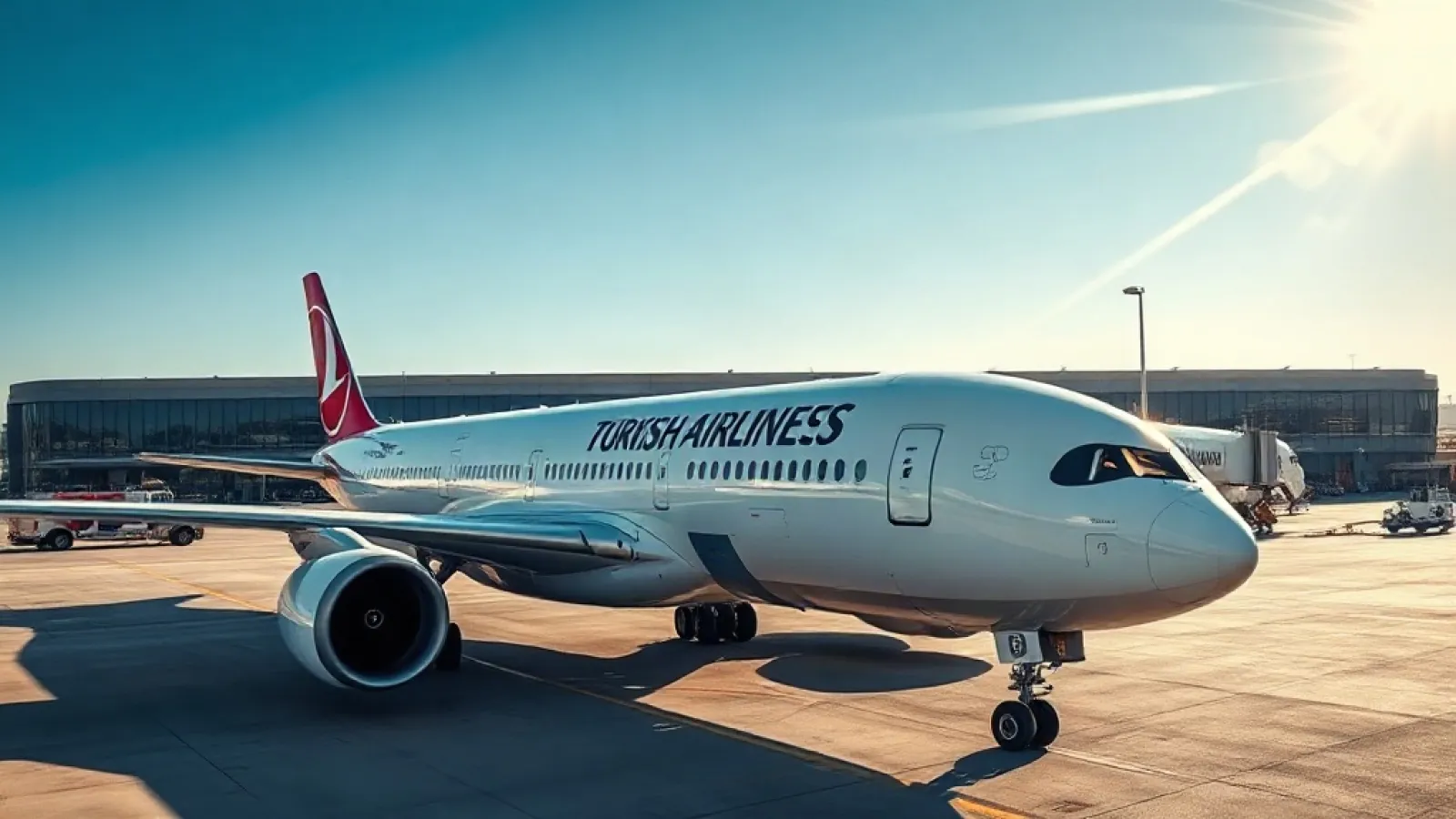
Turkish Airlines is set to increase frequency on its longest route, Istanbul-Kuala Lumpur-Sydney, to daily flights starting in January. The move, reported by Simple Flying, reflects growing demand on the carrier's flagship service to Australia, which currently operates less than daily.
The route, which connects Istanbul Airport (IST) with Sydney Kingsford Smith Airport (SYD) via Kuala Lumpur, is the airline's longest by distance. The upgrade to a daily schedule will add more seats and greater flexibility for passengers traveling between Europe, Southeast Asia, and Australia.
Turkish Airlines launched the Istanbul-Sydney service in 2024, initially with a stop in Kuala Lumpur. The route has been positioned as a key link for the carrier's network expansion into Oceania, a market previously underserved by Turkish Airlines. The daily frequency is expected to strengthen its competitive position against other carriers operating between Europe and Australia, particularly those offering one-stop connections via the Middle East or Asia.
The increase comes as Turkish Airlines continues to grow its long-haul fleet and network. The airline has been adding new destinations and frequencies across Asia and the Pacific, leveraging its hub at Istanbul Airport to offer connections from a wide catchment area. The daily service will also enhance cargo capacity, a significant revenue stream for the carrier.
For the travel trade, the daily flights will provide more options for tour operators and travel agents to package Australia itineraries with connections through Istanbul. The route's timing, with an overnight departure from Istanbul and a daytime arrival in Sydney, is designed to optimize connectivity for both leisure and business travelers.
Why it matters
The move to daily service on the Istanbul-Sydney route signals Turkish Airlines' confidence in the Australia market and its commitment to growing its presence in the region. For the trade, this means increased seat availability and more scheduling flexibility, which could lead to more competitive pricing and better options for clients. It also underscores the strategic importance of Istanbul Airport as a connecting hub between Europe and Asia-Pacific, a trend that is reshaping long-haul travel patterns. As Turkish Airlines expands its network, it is likely to put pressure on other carriers to adjust their own frequencies and pricing on similar routes.